


Key Takeaways
- Rapido is leveraging its existing bike-hailing network of over 2 million captains to offer a low-cost, asset-light food delivery service, avoiding the high capital expenditure of building a dedicated fleet.
- The company is focusing on a 'delivery-only' model for its captains, which promises higher earnings per hour compared to the ride-sharing model, potentially attracting a large workforce.
- This strategy directly challenges the 'hard-won math' of Zomato and Swiggy, which relies on high delivery volumes and significant subsidies to maintain market share and profitability.
- Rapido's approach could lead to lower delivery fees for consumers and more sustainable earnings for delivery partners, disrupting the current market dynamics.
- The move is a classic example of a 'bottom-up' disruption, using an existing asset base to enter a new, adjacent market dominated by well-funded incumbents.
What's the News
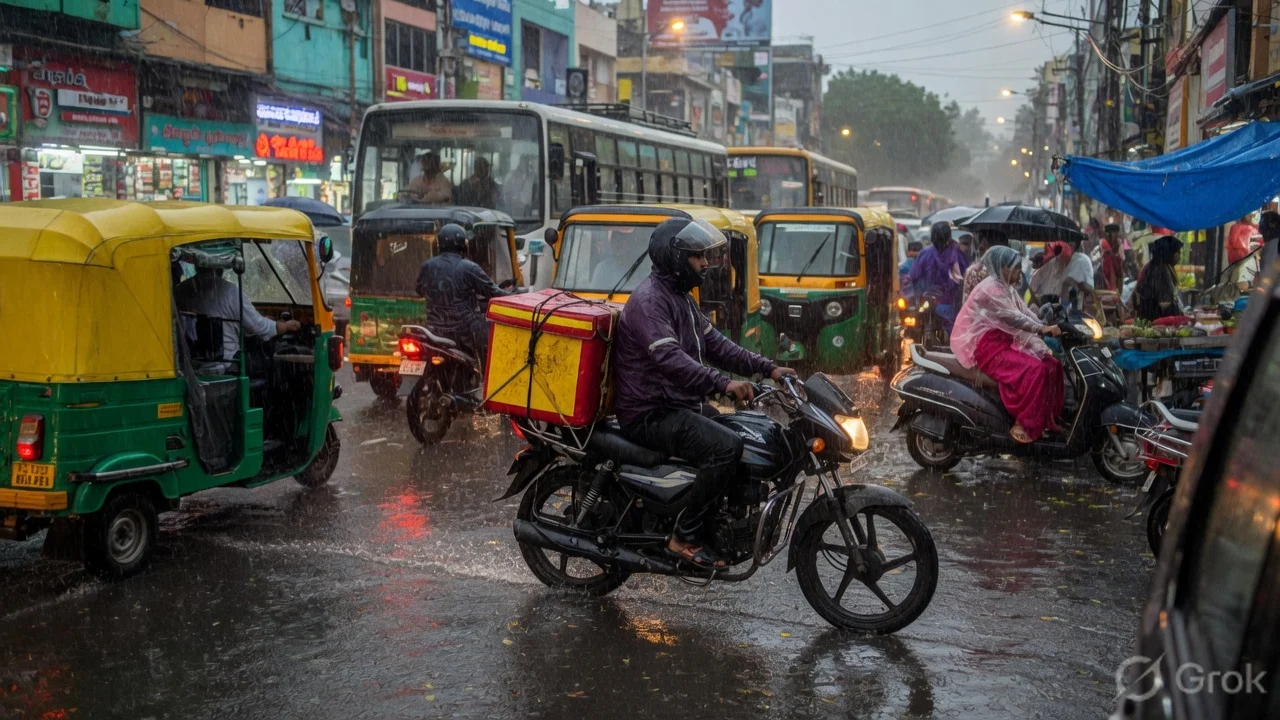
In a bold move that could shake up India's food delivery landscape, Rapido is quietly building a parallel food delivery business. While the ride-hailing giant is known for its two-wheeler taxis, it's now training its sights on the multi-billion dollar market dominated by Zomato and Swiggy. The plan isn't to build a new fleet from scratch but to cleverly repurpose its massive network of two-wheeler captains, turning them into delivery partners. This asset-light strategy is designed to undercut the operational costs of the established players, who have spent years and billions of dollars building their own delivery ecosystems.
Details
Rapido's core idea is simple yet powerful: use what you already have. The company's strength lies in its massive network of over 2 million two-wheeler captains, who are already familiar with the app and the logistics of navigating city traffic. Instead of asking them to switch between ride-hailing and delivery, Rapido is enabling them to become full-time delivery partners. This 'delivery-only' model is a significant shift from its primary ride-sharing business.
The math is compelling. By not having to invest in building and maintaining a dedicated delivery fleet, and by leveraging its existing technology platform, Rapido's cost structure is inherently lower. This allows it to potentially offer lower delivery charges to restaurants and consumers, a key lever in the highly price-sensitive Indian market. The company is also reportedly structuring its delivery partner payouts to be more attractive than the per-ride earnings from its ride-hailing service, which could be a major draw for captains looking to maximize their income.
This isn't just about leveraging assets; it's a direct assault on the business model of Zomato and Swiggy. These giants have built their dominance on a foundation of high delivery volumes, enabled by deep pockets and heavy subsidies. Their 'hard-won math' involves a delicate balance of customer acquisition costs, restaurant commissions, and delivery partner incentives, all subsidized by venture capital. Rapido's lean model aims to make this math unsustainable for the incumbents, forcing them to either lower their prices further (hurting their already thin margins) or risk losing market share.
India Impact
The implications of Rapido's strategy for India are significant. For consumers, it could mean cheaper and faster food delivery, as competition intensifies and delivery fees decrease. For delivery partners, it offers a new avenue for earning, potentially with more stable and higher hourly rates than the volatile ride-hailing market. This could be particularly beneficial in smaller cities and towns where Rapido has a strong presence.
For the broader market, Rapido's entry could trigger a new wave of consolidation or price wars. Zomato and Swiggy, with their deep war chests, could respond with aggressive discounts and marketing campaigns. However, Rapido's low-cost structure gives it a fighting chance to survive a prolonged battle. This could also lead to increased innovation in the logistics space, with other players looking to replicate Rapido's asset-light model in different sectors.
Furthermore, this move highlights the growing importance of two-wheelers in India's logistics ecosystem. With their ability to navigate traffic and reach narrow lanes, two-wheelers are the perfect vehicle for last-mile delivery in dense Indian cities. Rapido's focus on this segment could accelerate the adoption of two-wheeler-based logistics solutions across the country.
Use Cases
Rapido's model is particularly well-suited for several scenarios in the Indian context:
- Quick Commerce: For 10-20 minute delivery of essentials like groceries and medicines, Rapido's bike-first approach is ideal, offering a faster and cheaper alternative to larger vehicles.
- Restaurant Delivery in Dense Urban Areas: In cities like Mumbai, Delhi, and Bengaluru, Rapido's captains can easily navigate traffic and reach customers quickly, ensuring hot food delivery.
- Delivery from Kirana Stores and Local Businesses: Small local stores can leverage Rapido's network to offer delivery services, expanding their reach without investing in their own delivery fleet.
- E-commerce and Parcel Delivery: The model can be extended to last-mile delivery for e-commerce packages, especially for small and lightweight items.
Honest Take
While Rapido's strategy is clever and has the potential to disrupt the market, it's not without challenges. The biggest hurdle is the entrenched dominance of Zomato and Swiggy. These players have spent years building strong relationships with restaurants and consumers, and their brands are synonymous with food delivery in India. Overcoming this brand loyalty will require Rapido to deliver a consistently superior experience, especially in terms of delivery speed and reliability.
Additionally, the food delivery market is notoriously competitive, with high customer acquisition costs and thin margins. While Rapido's low-cost structure is a significant advantage, it will still need to invest heavily in marketing and technology to compete effectively. The company will also need to ensure that its delivery partners are well-trained and equipped to handle food deliveries, which require a different set of skills compared to ride-hailing.
Despite these challenges, Rapido's move is a welcome development for the Indian market. It introduces a much-needed competitor that could break the duopoly of Zomato and Swiggy, leading to better prices and services for consumers. If executed well, Rapido's asset-light, bike-first model could not only survive but thrive, forcing the incumbents to rethink their own strategies and ultimately benefiting the entire ecosystem. It's a classic David vs. Goliath story, and in a market as dynamic and price-sensitive as India, David just might have a chance.
FAQs
Q1: How is Rapido different from other food delivery apps?
A: Rapido's key differentiator is its asset-light model. Instead of building a dedicated delivery fleet, it leverages its existing network of over 2 million two-wheeler captains, turning them into delivery partners. This significantly lowers its operational costs compared to competitors like Zomato and Swiggy.
Q2: Will Rapido's entry lead to lower delivery charges?
A: It's highly likely. With a lower cost structure, Rapido can offer more competitive delivery charges to restaurants and consumers, putting pressure on Zomato and Swiggy to lower their prices as well.
Q3: Can Rapido really compete with the giants like Zomato and Swiggy?
A: It's a tough battle, but not impossible. Rapido's low-cost model gives it a fighting chance, especially in price-sensitive markets. However, it will need to overcome the strong brand loyalty and network effects of the established players.
Q4: What does this mean for Rapido's captains?
A: The 'delivery-only' model offers captains a new way to earn, potentially with higher and more stable hourly rates compared to ride-hailing. This could be particularly attractive for those looking for a full-time gig.
Q5: Is this Rapido's first foray into food delivery?
A: While Rapido has experimented with delivery services in the past, this new strategy appears to be a more focused and aggressive push into the food delivery market, leveraging its core strengths in two-wheeler logistics.




Comments (0)
Be the first to comment!