


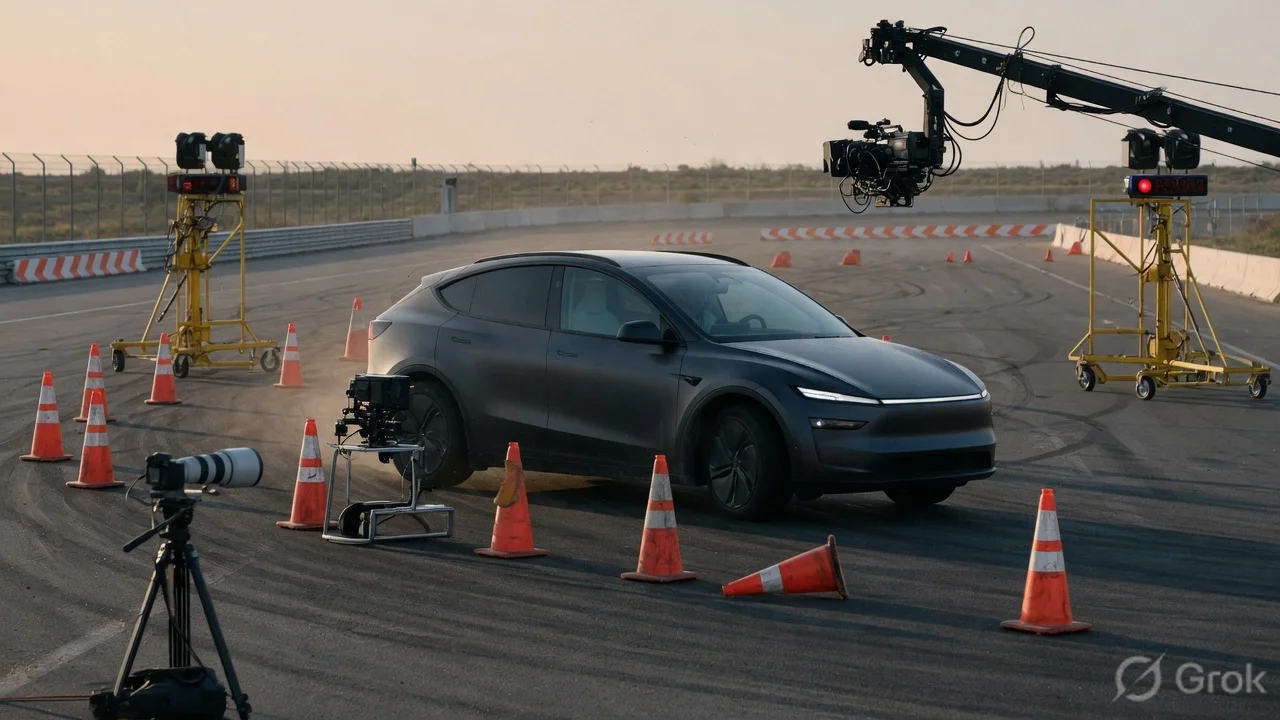
What just happened?
In a quiet but historic move, the National Highway Traffic Safety Administration (NHTSA) announced that the 2026 Tesla Model Y is the first vehicle to pass its freshly‑minted Advanced Driver‑Assistance Systems (ADAS) test suite. Tesla didn’t wait for a third‑party audit – it ran the tests in‑house, submitted the data, and NHTSA signed off.
Why this test matters
For years, ADAS claims have been a bit of a Wild West. Automakers tout lane‑keep, adaptive cruise, and automatic emergency braking, but there’s never been a uniform yardstick. NHTSA’s new protocol grades everything from sensor latency to decision‑making under real‑world conditions. Passing it means the car can reliably detect obstacles, stay in its lane, and react to sudden stops without human intervention – and do so consistently across weather, lighting, and traffic scenarios.
Key numbers from the Model Y’s run
- Latency from sensor input to brake actuation: 120 ms (well under the 200 ms ceiling).
- Lane‑keeping accuracy: 0.15 m deviation on a 3‑km highway stretch.
- Pedestrian detection range: 120 m in daylight, 70 m at night.
- False‑positive emergency brake events: 0.3 % – a fraction of the industry average.
All these figures came from Tesla’s own test rigs, but NHTSA’s auditors verified the methodology and data integrity before giving the green light.
How will this affect Indian buyers?
India’s market is still in the early adoption phase for Level‑2 assistance. Most local models only offer basic cruise control and a rudimentary lane‑assist. If Tesla officially launches the 2026 Model Y here (expected price around ₹55 lakhs after tax), it will set a new benchmark for safety‑first tech.
Even if the price is out of reach for the average buyer, the ripple effect is huge. OEMs like Tata, Mahindra, and Hyundai will feel the pressure to upgrade their sensor suites and software pipelines to meet the NHTSA‑grade expectations – otherwise they’ll look obsolete.
TamilTech’s take
We think this is a double‑edged sword. On one hand, a clear, government‑backed test gives consumers a reliable way to compare ADAS performance. On the other, the cost barrier could widen the safety gap between premium imports and domestic cars.
Our bet is that Indian regulators will soon adopt a similar test framework. When that happens, we’ll see a surge in local R&D investments, possibly even partnerships with firms like Mobileye or Qualcomm to bring affordable sensor packages to Indian sedans and SUVs.
What to watch next
- Official launch dates and pricing for the 2026 Model Y in India.
- Any statement from the Ministry of Road Transport & Highways about adopting NHTSA‑style ADAS standards.
- Updates from Indian OEMs on their next‑gen driver‑assist road‑maps.
Bottom line: Tesla’s badge isn’t just a brag‑ging; it’s a signal that the next wave of cars on Indian roads will be smarter, safer, and more data‑driven. Keep an eye on the upcoming announcements – the next few months could reshape how we think about assisted driving in the sub‑continent.


Comments (0)
Be the first to comment!