


Key Takeaways
- Over 150 million Indian TikTok users may have seen content that the platform kept visible under its internal “hard to find” label.
- Judge Cory Liu ruled that TikTok’s practice violated its public promise to delete videos that break Community Guidelines, constituting a deceptive trade practice under Texas law.
- The ruling could expose TikTok to fines of up to 2 % of its global revenue if upheld, under the Texas Deceptive Trade Practices‑Consumer Protection Act.
- Indian regulators have indicated they will review whether similar safety disclosures made to Indian users meet the same transparency standards.
- UPI‑linked in‑app purchases and product tags on TikTok could face tighter scrutiny if enforcement actions follow the Texas decision.
What's the news
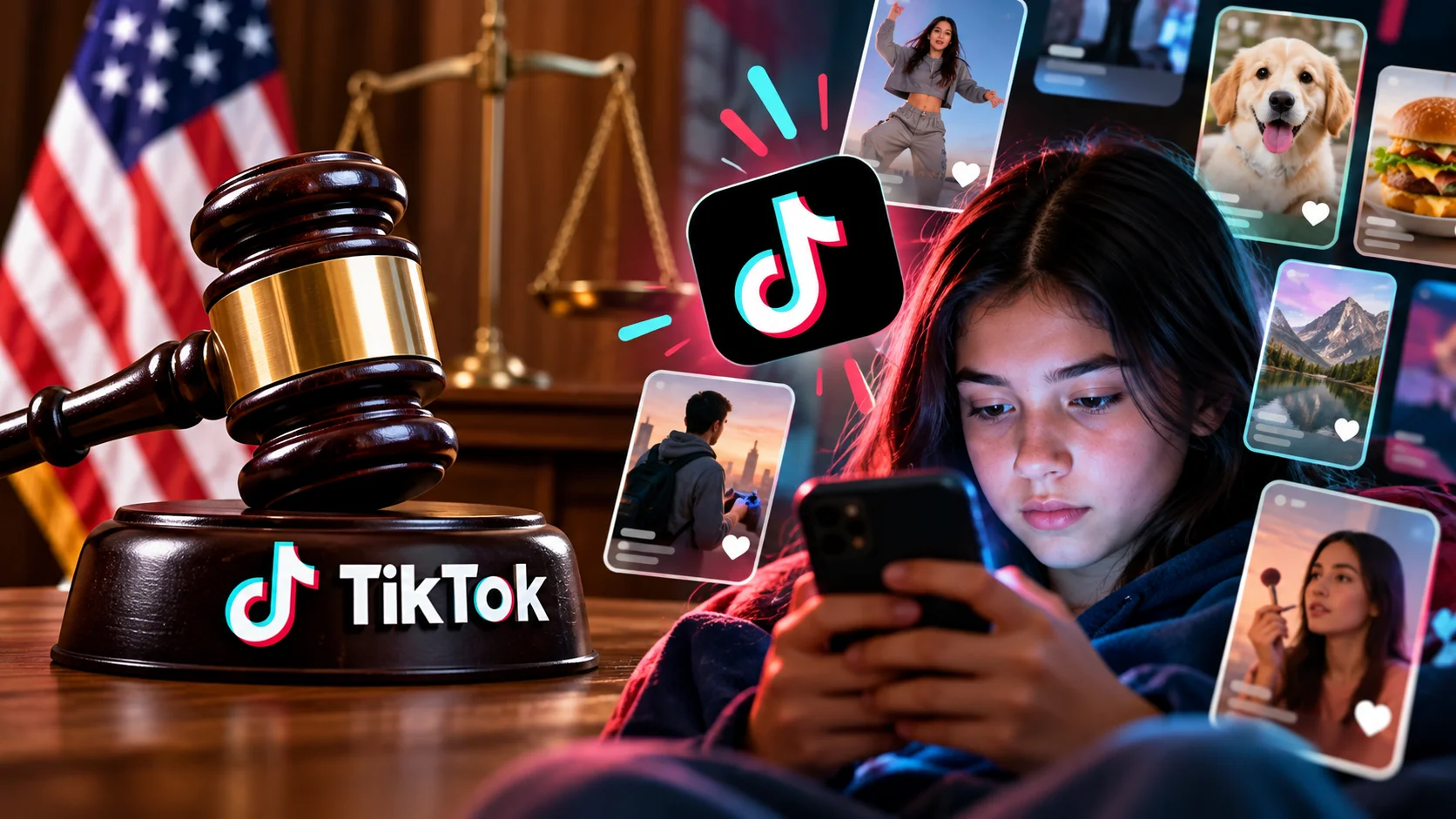
A Texas state judge delivered a verdict after a lawsuit brought by the Texas Attorney General’s office. The court examined TikTok’s internal moderation workflow and found a mismatch between what the platform told users and what its systems actually did. TikTok’s public statements said it would remove any video that violated its Community Guidelines. Internally, however, the company used a three‑tier classification: “do not allow,” “hard to find,” and “allow.” Evidence showed that a substantial number of guideline‑breaking clips were placed in the “hard to find” bucket, which still allowed them to appear in search results, feeds, and hashtag pages.
Judge Cory Liu concluded that describing the removal promise while retaining the content under a softer label misled users and amounted to a deceptive act. The ruling does not order immediate removal of existing videos but opens the door for monetary penalties and injunctive relief if TikTok does not change its labeling practice.
Details
The lawsuit hinged on consumer‑protection statutes that prohibit false or misleading statements about product features. Plaintiffs presented internal documents, moderation tool screenshots, and employee testimonies that demonstrated the “hard to find” label was used as a holding category rather than a removal signal. While the label reduced the likelihood of accidental discovery, it did not guarantee that the video would be hidden from all users, especially those who searched specific keywords or followed certain creators.
The judge noted that the public safety messaging emphasized immediate deletion, creating an expectation that users relied upon when deciding to allow younger family members to use the app. By keeping the content accessible, TikTok failed to meet that expectation, which the court deemed a violation of the duty to provide accurate information about safety features.
India impact
India remains TikTok’s largest market outside China, with more than 150 million active users as of early 2026. A significant portion of this audience accesses the app via Jio’s affordable data plans, and many creators monetize their content through UPI‑linked tips, product tags, and affiliate links integrated with platforms like Flipkart and Amazon India.
If the Texas ruling inspires similar scrutiny in India, agencies such as the Advertising Standards Council of India (ASCI) and the Ministry of Electronics and Information Technology could examine whether TikTok’s safety disclosures to Indian users are clear and enforceable. Any enforcement that forces TikTok to tighten its moderation could reduce the reach of certain videos, affecting creators who depend on viral traction for brand collaborations.
On the other hand, a cleaner feed might improve trust among parents, educators, and institutions that use TikTok for educational outreach. Several state‑run digital literacy programmes have already begun incorporating platform‑specific safety modules, and they may now request more detailed explanations from TikTok about how it handles flagged content.
Use cases
For Indian brands running influencer campaigns on TikTok, the ruling suggests a need to verify that sponsored videos are not relying on the “hard to find” classification as a loophole. Advertisers should request confirmation that the creative has passed TikTok’s strictest “do not allow” filter, especially when the campaign includes UPI‑based checkout links or product tags that drive direct sales.
Parents who use TikTok’s Family Pairing feature can now ask for clearer documentation on how the platform treats videos that are flagged but not removed. Some schools have started workshops where students learn to spot content that might slip through moderation, using real‑world examples of videos that remain searchable despite being labelled “hard to find.”
Small businesses that rely on TikTok for local promotion, such as street food vendors or boutique stores, may want to monitor analytics for sudden drops in reach after any policy tweaks. If TikTok increases the stringency of its “do not allow” bucket, certain niche content could see reduced visibility, prompting creators to adjust their posting strategies or cross‑post to other short‑video platforms.
Honest take
The Texas decision highlights a recurring pattern where platforms make bold safety commitments while employing internal labels that let problematic content stay accessible. For Indian users, the practical advice is to treat platform statements as a starting point, not a guarantee. Regularly checking TikTok’s Safety Center for updates, using third‑party parental‑control apps that complement native tools, and maintaining open conversations with younger users about what they encounter online can help mitigate risk.
At the same time, the case shows how state‑level consumer‑protection actions in the United States can create ripple effects globally. Indian regulators may feel encouraged to demand greater transparency, which could ultimately lead to a safer short‑video ecosystem for creators, advertisers, and everyday users alike.



Comments (0)
Be the first to comment!