


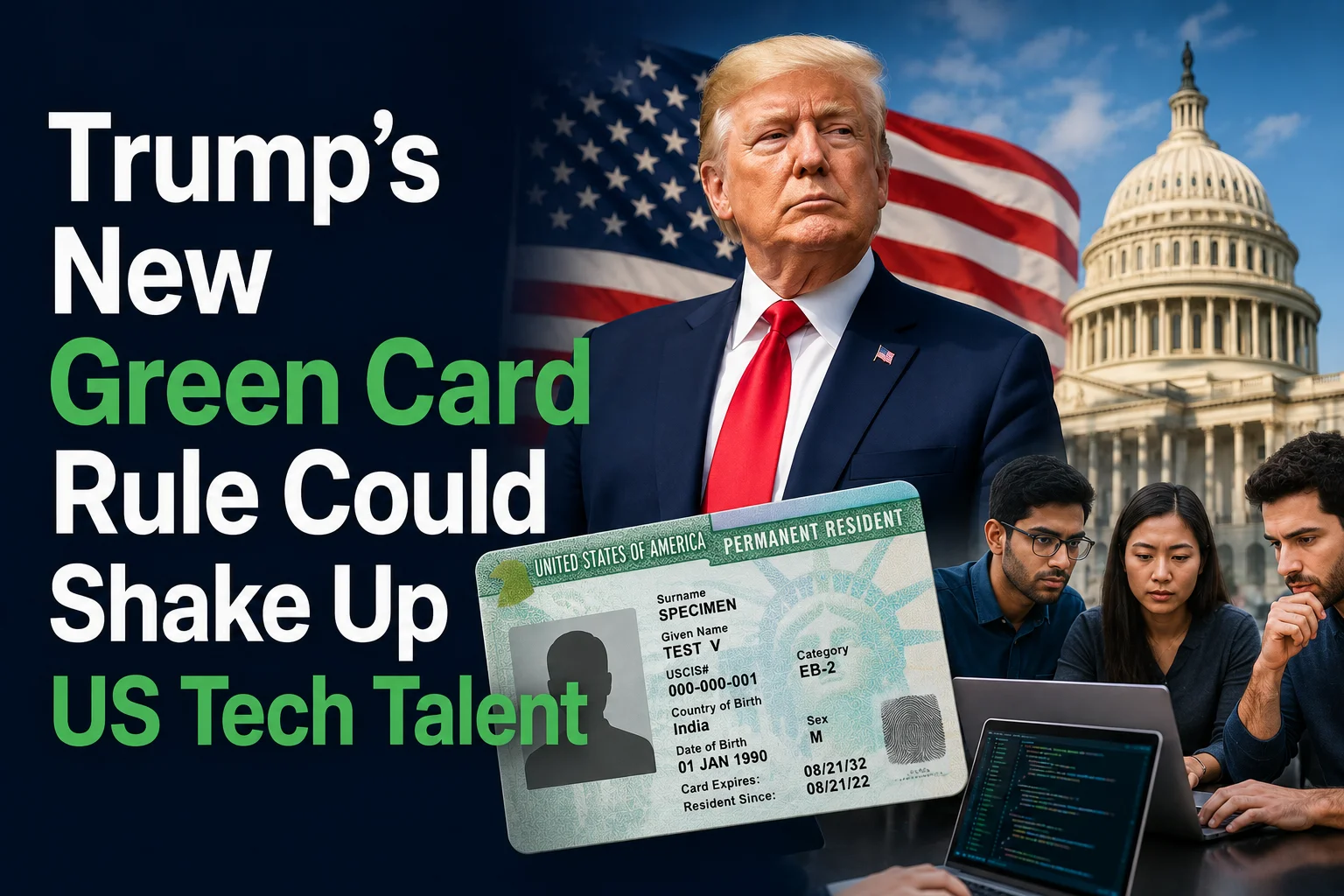
What’s the new rule?
Starting early next year, the Trump administration plans to change the way most employment‑based green cards are processed. Instead of filing the I‑485 adjustment‑of‑status form while staying in the US, applicants will have to leave the country, go to their nearest US consulate, and complete the interview there.
In plain English: if you’re a software engineer on an H‑1B visa and you’ve been waiting for a green card, you’ll likely have to book a flight home, sit through a consular interview, and then wait for the visa to be stamped before you can return.
Why the shift?
The administration says the move will “speed up” the backlog and curb fraud. By forcing a “consular processing” step, they claim it’s easier to verify identities and prevent people from staying in the US while their paperwork drags on.
But the reality on the ground is more complicated. The US already has a massive backlog – about 1.2 million employment‑based green‑card applicants are waiting, with the average wait time for Indian nationals topping 12 years. Adding a mandatory overseas trip could add months, if not years, to that timeline.
Who’s hit the hardest?
Tech companies rely heavily on Indian and Chinese engineers. The new rule specifically targets those from “high‑fraud risk” countries – a list that includes India, China, Pakistan, and a few others. For a typical US‑based startup, this means:
- Longer hiring pipelines – you can’t bring a candidate on board until the green‑card process is fully cleared.
- Higher costs – flights, visa‑appointment fees, and potential lost productivity while the candidate is abroad.
- Risk of losing talent – engineers might take offers from Canada, Australia, or Europe where the immigration path is clearer.
Impact on Indian tech talent
India is the biggest source of US tech workers. According to the Department of Labor, about 45 % of all H‑1B visas go to Indian nationals, and a large chunk of them are also green‑card applicants.
If the rule forces them out of the US, many will face a dilemma: stay on a temporary visa and risk losing the green‑card chance, or return home and potentially lose their US job altogether.
What does this mean for Indian startups?
Many Indian founders have US‑based subsidiaries or remote teams in Silicon Valley. The new policy could push them to set up more local offices in India, Singapore, or the UAE to avoid the green‑card bottleneck.
On the flip side, it could boost the Indian job market. Companies like TCS, Infosys, and Wipro might see an influx of senior engineers who decide to stay in India rather than fight the US immigration maze.
Our take – TamilTech‑ஓட கருத்து
From a strategic standpoint, this rule feels like a double‑edged sword. It might clean up some fraudulent cases, but it also throws a wrench into the US tech ecosystem that thrives on global talent.
For US firms, the immediate action is to:
- Identify which candidates are affected – check the “high‑fraud risk” country list.
- Start the consular processing early – don’t wait until the last minute to schedule the interview.
- Consider alternative visas – O‑1, L‑1, or even the new “Global Talent” visas that some companies are lobbying for.
For Indian engineers, the advice is to keep an eye on the timeline and have a backup plan – whether that’s a remote role, a move to Canada’s Express Entry, or building a startup at home.
What’s next?
The rule is expected to roll out in early 2025, but legal challenges are already brewing. Immigration lawyers say they’ll file lawsuits arguing that the policy discriminates based on nationality.
Until courts decide, the tech industry will be in a holding pattern, watching the policy’s rollout and the first wave of consular appointments.
Bottom line: if you’re a tech worker on the green‑card ladder, start packing your suitcase now – or start looking for a new country that values your skills without the visa maze.





Comments (0)
Be the first to comment!