


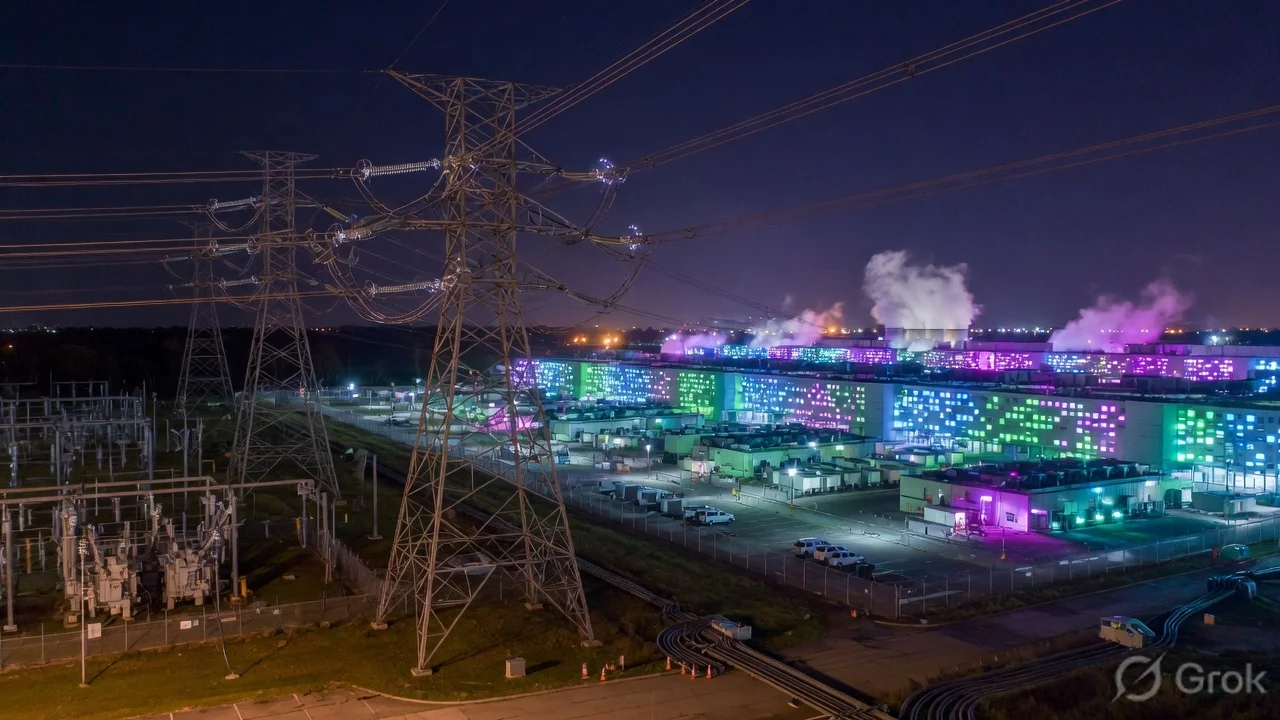
What just happened?
In the first quarter of 2024 the wholesale price of electricity on PJM – the largest inter‑state grid in the United States – surged to an average of $136.53 per megawatt‑hour. That’s a 76% jump compared with the same period last year. The culprit? A massive surge in power consumption from data centers that are expanding to feed AI workloads.
Why the price jump?
PJM covers 13 states and the District of Columbia, serving about 65 million people. Its market price is set by supply‑and‑demand auctions that happen every five minutes. When demand spikes and supply can’t keep up, the price spikes. In Q1, two forces lined up:
- AI‑driven workloads: Companies like Amazon, Microsoft and Google are cranking up AI training clusters, which can gobble up 10‑15 MW per rack.
- Heat‑wave season: Summer‑like temperatures in the Midwest forced utilities to run less efficient peaker plants, pushing the marginal cost higher.
The result was a “price‑spike” that lasted for more than 200 hours in the quarter, pushing the average up to $136.53/MWh from $77.45/MWh a year earlier.
Numbers in perspective
Here’s a quick snapshot:
Q1 2023 Avg Price: $77.45/MWh
Q1 2024 Avg Price: $136.53/MWh (+76%)
Peak Hours (> $500/MWh): 212 hrs
Data‑center share of demand: ~35% of total PJM load
That 35% figure is a rough estimate, but it lines up with reports that AI‑related data‑center load grew by more than 20% YoY across the region.
What does this mean for the US?
Higher wholesale prices translate into higher retail electricity bills for businesses and, eventually, consumers. Utilities that buy power on the PJM market will pass on the cost through higher tariffs. For industrial users, especially those with energy‑intensive processes, the impact could be a 5‑10% increase in operating expenses.
Policy‑makers are now scrambling to add more renewable capacity and storage to the PJM mix. The grid operator has already announced a 2025 target to add 30 GW of battery storage – a direct response to the volatility caused by AI‑driven demand.
India angle – why should we care?
India’s power market is still heavily regulated, but the PJM story is a warning sign. As Indian data‑center farms grow – especially in Tier‑2 and Tier‑3 cities – the same demand‑supply imbalance could happen. The average wholesale price in India’s power exchanges (e.g., MSEB) is currently around ₹4.5/kWh (≈ $0.06/kWh). If AI workloads double the demand, we could see a 50% price hike, pushing retail rates above ₹7‑8/kWh.
For Indian startups, this means budgeting for higher electricity bills when planning AI‑heavy workloads. For large enterprises, it’s a cue to invest in on‑site solar + battery storage to hedge against market spikes.
TamilTech’s take
We think the PJM price surge is a classic case of “technology outpacing infrastructure”. AI is a game‑changer, but without enough clean, cheap power, the economics get ugly fast. Indian data‑center operators should start looking at:
- Building their own renewable farms – solar‑plus‑storage is now under ₹30 per watt in many states.
- Negotiating long‑term PPAs (Power Purchase Agreements) to lock in rates before the market spikes.
- Optimising workloads – using spot‑instance pricing on cloud providers can shift compute to off‑peak hours.
In short, don’t let electricity become the next bottleneck for AI in India.
What’s next?
Expect PJM to keep tightening its capacity market. New solar projects and a wave of battery‑storage installations are slated for 2025‑2026. In the US, some data‑center operators are already relocating to states with cheaper power (e.g., Texas, Ohio). In India, the government’s push for renewable energy certificates (RECs) could help mitigate the price shock, but only if data‑center owners act fast.
Bottom line: Power is the new “CPU” for AI. Keep an eye on the grid, lock in power costs early, and think green – otherwise your AI budget will get a nasty surprise.






Comments (0)
Be the first to comment!