


Key Takeaways
- Vodafone Idea’s sales force is showing renewed energy after a long stretch of demoralisation, and that mood shift is visible in better operational traction.
- India’s telecom fight remains a three-way battle where Jio and Airtel still set the pace, but a sharper Vi retail push matters for pricing and choice.
- Prepaid recharges, store footfall and plan upgrades in INR terms are the everyday battlegrounds where sales teams now look more confident.
- A healthier third operator helps Digital India goals — from UPI-heavy prepaid users to wider 5G reach outside the big metros.
- The turnaround feel is real at ground level, yet Vi still carries heavy legacy baggage that can slow any sustained comeback.
What's the news
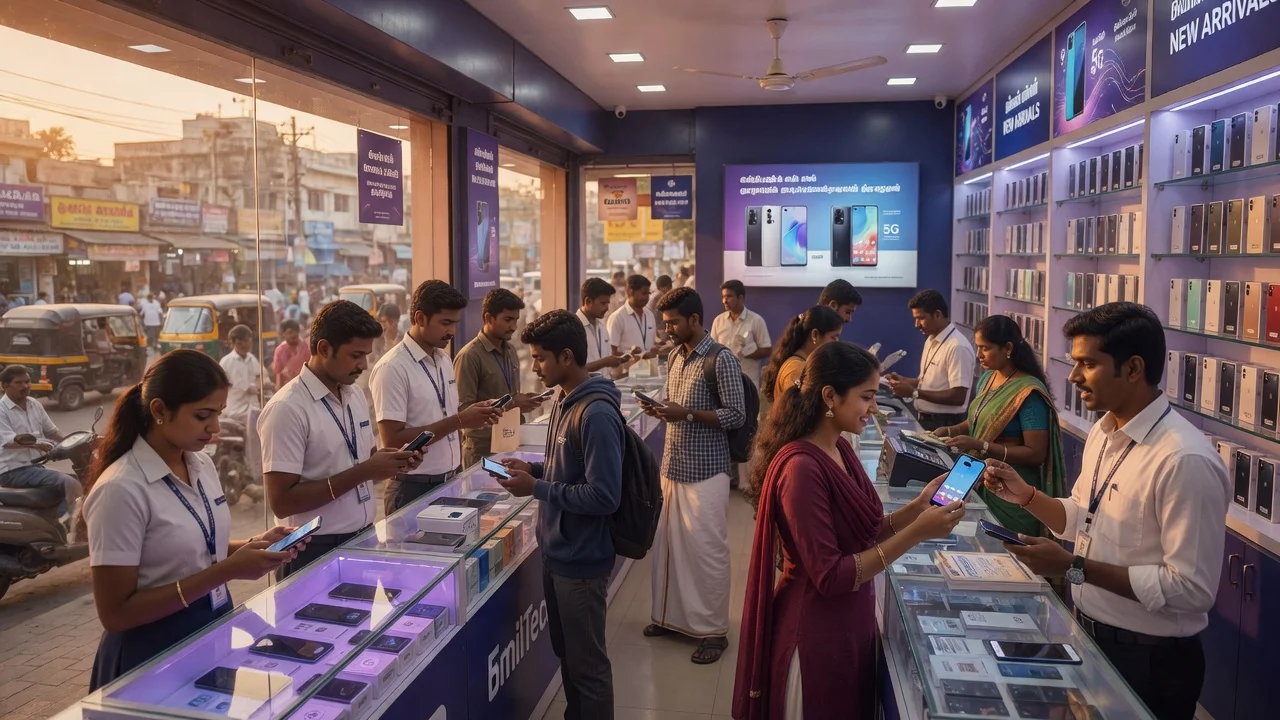
For a long time, walking into a Vodafone Idea store or talking to a Vi retailer felt like chatting with someone who had already accepted defeat. Targets were tough, churn was high, and the shadow of Jio and Airtel hung over every conversation. That mood is changing.
Vi’s sales force finally has a spring in its step. Field teams, franchise partners and retail staff are sounding more upbeat about plan pitches, recharge conversions and customer retention. The interesting part is that this is not just pep talk. The energy is beginning to show up in the company’s numbers — better traction on the ground, steadier execution on prepaid and postpaid pushes, and a clearer sense that the third player is not ready to disappear.
In a market where every rupee of ARPU and every SIM swap matters, sales morale is not soft fluff. It is an early signal of whether Vi can keep clawing back relevance in 2026.
Details
Vi’s troubles were never only about network quality or marketing slogans. Years of debt pressure, spectrum payment stress and brutal price competition left the organisation looking defensive. When the company looks shaky, salespeople feel it first. Retailers hesitate to push hard. Agents stop chasing upgrades. Customers sense the lack of conviction and walk to the nearest Jio or Airtel counter.
What seems different now is the combination of clearer internal direction and a sales machine that is no longer in survival mode every single day. Teams are talking about hitting weekly recharge goals, converting more prepaid users onto slightly richer packs, and reducing the constant leakage to rivals. Store-level activity feels busier. Channel partners sound less resigned.
None of this means Vi has suddenly leapfrogged anyone. Jio still dominates on scale and digital ecosystem pull. Airtel continues to look strong on premium postpaid and enterprise. But a motivated Vi sales force changes the daily fight in kirana-linked recharge points, local franchise outlets and city malls. Those are the places where Indian telecom actually gets won or lost — not in glossy ads alone.
The operational improvement story also ties into how Indians buy connectivity. Most users still live in a prepaid world. Recharges happen through UPI, cash at the corner shop, or quick app top-ups. When Vi’s channel is energised, those small INR 149 / 299 / 399 decisions start moving a bit more in its favour. Even modest gains in gross adds or lower voluntary churn can compound when the base is large.
There is also a quieter internal shift. Sales leadership appears more focused on executable targets instead of endless firefighting. Training, incentive clarity and simpler plan messaging help. When a salesperson can explain a Vi offer in two clean sentences and believe the network will not embarrass them, conversion rates improve. That is basic retail hygiene, but Vi needed it badly after years of distraction.
India impact
India needs a functioning third telecom operator. Full stop. A market that collapses into a comfortable duopoly is bad news for consumers, for rural coverage ambitions, and for the long-term health of Digital India services that ride on cheap, reliable mobile data.
Vi’s sales revival matters because competition shows up as lower effective prices, better festival offers, and more aggressive 5G rollout pressure. When Vi pushes harder in Tier-2 and Tier-3 towns, Jio and Airtel cannot coast. That keeps data packs affordable for students, gig workers, small shop owners and families who run their lives on UPI and WhatsApp.
Jobs are part of the story too. Telecom retail and channel ecosystems employ a lot of people across India — from franchise owners to field executives on two-wheelers. A demoralised Vi meant weaker local economies around those outlets. A livelier sales engine puts some of that energy back into the system.
There is a policy angle as well. Government support and regulatory breathing room only create value if the operator can convert them into commercial momentum. Sales-force confidence is one of the first real-world tests of whether that conversion is happening. If Vi can keep improving execution, it strengthens the case that India can sustain three private players instead of watching one fade into irrelevance.
For everyday users, the impact is simple: more choice at the recharge counter, slightly better bargaining power, and a reminder that switching SIMs is still easy in this country.
Use cases
Where does a sharper Vi sales push actually show up for people?
First, prepaid households. Families that split multiple SIMs across phones benefit when Vi retailers actively push value packs instead of passively waiting for walk-ins. Better on-ground pitching means clearer comparisons on data rollover, validity and calling benefits in plain INR terms.
Second, small business and kirana connectivity. Shop owners who need stable data for UPI QR payments and inventory apps are sensitive to both price and local support. An energised Vi channel can win these users with quick SIM swaps, device offers and follow-up service instead of losing them by default to the bigger two.
Third, campus and youth segments. Students care about speed, unlimited feel and easy recharges. When Vi sales teams show up with sharper youth plans and campus-linked campaigns, they can stop the automatic drift toward whichever brand friends already use.
Fourth, postpaid upgrades in metros and large towns. Not every Vi user has to stay prepaid forever. Confident sales staff can migrate heavier data users onto postpaid with add-ons, family plans or device EMI hooks. That improves stickiness.
Fifth, rural and semi-urban coverage storytelling. Network improvements only convert if someone on the ground explains them. Sales and retailer networks are the translation layer between tower upgrades and actual customer belief.
Honest take
Look, a spring in the step is welcome. After years of Vi sounding like a company permanently on the back foot, any genuine lift in sales energy is worth noticing. Numbers that start reflecting that energy matter even more. Telecom is a grind business. Mood and momentum on the street often precede cleaner financial headlines.
But let’s not get carried away. Vi still operates in the shadow of two stronger rivals. Legacy debt and spectrum obligations do not vanish because retailers feel chirpier this quarter. Network perception gaps take time to close. One good sales season does not equal a completed turnaround.
The healthy way to read this is as an early operational green shoot. Sales teams believing again is necessary. It is not sufficient. Vi has to keep converting that belief into sustained gross adds, better mix toward higher-value packs, controlled churn and credible 5G experience where it claims coverage.
For Indian consumers, the best outcome is boring and competitive: three operators fighting hard, packs staying sharp, and nobody taking the market for granted. If Vi’s sales force keeps this energy through the festive season and into the next few quarters of 2026, the third player stays relevant. That alone is good news in a market that cannot afford complacency.
Watch the ground game. In Indian telecom, the recharge counter still tells the truth faster than any glossy strategy deck.



Comments (0)
Be the first to comment!