


Key Takeaways
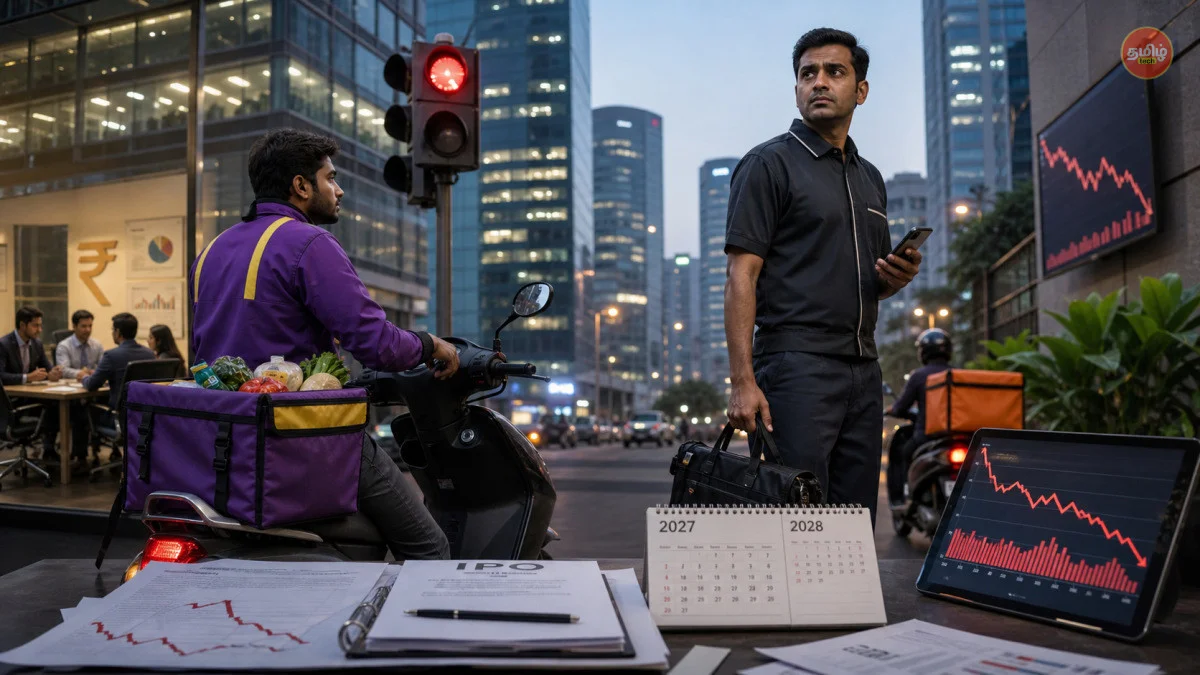
- Zepto has officially postponed its highly anticipated IPO to late 2027 or early 2028 to focus on achieving consistent net profitability.
- Urban Company reported a net loss of ₹250 crore in the first half of 2026 after briefly reaching break-even last year.
- Quick commerce competition from Blinkit and Swiggy Instamart has forced Zepto to increase marketing spend, impacting their immediate listing plans.
- Indian consumers might see a 10-15% hike in platform fees as these companies try to stabilize their balance sheets.
- The delay signals a cautious shift in the Indian stock market regarding high-growth but loss-making tech startups.
The 2026 Startup Reality Check
It is August 2026, and the Indian startup ecosystem is facing a bit of a mid-year reality check. For the past two years, we have seen a massive surge in quick commerce and home services. We have reached a point where getting a phone charger in 7 minutes or a plumber in 30 minutes feels normal. But behind the scenes, the numbers are telling a different story. Two of the biggest names we use almost every week—Zepto and Urban Company—are making headlines today, and not necessarily for the reasons they would want. If you have been following the market, you know that 2026 was supposed to be the 'Year of IPOs'. However, the latest updates suggest that the path to the stock market is much bumpier than expected.
Zepto, which has been the poster child for the 10-minute delivery revolution, has decided to hit the pause button on its Initial Public Offering (IPO). On the other hand, Urban Company, which finally looked like it had figured out the profit puzzle last year, has slipped back into the red. This isn't just about corporate balance sheets; it actually affects how much you pay for your next grocery order or your AC service. Let’s dive deep into why this is happening and what TamilTech thinks about the future of these platforms.
Zepto's IPO Delay: Why the Wait?
Everyone was expecting Zepto to go public by the end of 2026. They have been raising massive rounds of funding and expanding their 'dark stores' like crazy across Chennai, Bangalore, and Mumbai. But the management has now decided to defer the IPO to at least late 2027. Why? Because the market in 2026 is no longer impressed by just 'growth'. Investors now want to see 'PAT'—Profit After Tax. While Zepto's revenue has grown by nearly 80% year-on-year, their operational costs have also skyrocketed. The competition with Blinkit and Swiggy Instamart has turned into a literal war of seconds. To maintain that 10-minute promise, they are spending heavily on local logistics and rider incentives.
Another major factor is the current volatility in the tech sector of the NSE and BSE. We have seen a few other startups list earlier this year, and their performance hasn't been stellar. Zepto probably wants to wait until they can show at least three consecutive quarters of solid profit before asking the Indian public for money. This is actually a smart move in the long run. Nobody wants another Paytm-like situation where the stock price crashes immediately after the IPO. By waiting, Zepto is betting on its ability to dominate the market share first and worry about the stock market later.
Urban Company: Back in the Red
Urban Company’s situation is a bit more concerning. After a very public celebration of reaching break-even in 2025, they have reported a significant loss for the first two quarters of 2026. The main reason? Expansion costs and a sharp rise in service partner churn. In cities like Chennai and Coimbatore, we have seen many service professionals moving away from the platform due to high commission rates. To bring them back or find new ones, Urban Company had to spend a lot on onboarding and training, which directly hit their bottom line.
Furthermore, the 'Premium' service segment they launched earlier this year hasn't seen the kind of take-up they expected. Most Indian households are still very price-sensitive. When the platform fee and taxes make a ₹500 service look like ₹750, people tend to go back to their local neighborhood electrician or plumber. This shift in consumer behavior in 2026 is forcing Urban Company to rethink its pricing strategy. They are stuck between keeping the customers happy with low prices and keeping the investors happy with high margins.
The Quick Commerce War: Blinkit vs. Zepto vs. Swiggy
To understand Zepto's delay, you have to look at the battlefield. In 2026, Blinkit has integrated deeply with Zomato’s ecosystem, making their customer acquisition cost almost zero. Swiggy Instamart is using its loyalty program 'One' to keep users locked in. Zepto, being a standalone player, has to work twice as hard to keep its users. They have launched 'Zepto Pass' which has been a hit, but the discounts offered there are burning a hole in their pockets. Every time you get free delivery on a ₹99 order, Zepto is technically losing money on that transaction.
We have also seen big players like Tata’s BigBasket and Reliance’s JioMart doubling down on their 15-30 minute delivery models. While they are slightly slower than Zepto, their supply chain is much more robust. For Zepto to win, they don't just need to be fast; they need to be efficient. The IPO delay is a clear sign that they are choosing to fix their internal engine before taking it to the race track of the public market.
What This Means for You (The Consumer)
So, how does this affect you? First, expect 'Platform Fees' to go up. We have already seen them crawl from ₹2 to ₹5, and by the end of 2026, don't be surprised if it hits ₹15 or ₹20 per order. These companies need cash, and the easiest way to get it is from the millions of daily transactions. Second, the 'insane' discounts might start disappearing. The days of getting 50% off on groceries are mostly gone; you will see more 'Bundled Offers' where you have to buy more to save more.
For Urban Company users, you might notice a push towards their subscription models. They want predictable revenue, so they will try to lock you into yearly maintenance packages for your home appliances. Also, service quality might fluctuate as they struggle to balance partner payouts with company profits. If you are a regular user, it might be a good time to compare prices with local alternatives again.
TamilTech’s Take: Is the Bubble Bursting?
At TamilTech, we don't think the bubble is bursting, but it is definitely 'resetting'. The era of easy VC money is over. In 2026, the Indian market is maturing. We are seeing that 'Convenience' has a price limit. People will pay for 10-minute delivery, but they won't pay 2x the MRP for it. Zepto’s decision to delay its IPO is actually a sign of maturity. It shows they are not just looking for an 'exit' for their early investors but are actually trying to build a sustainable business.
Urban Company, however, needs to fix its relationship with its service partners. A platform is only as good as the people providing the service. If the workers are unhappy, the service quality drops, and customers leave. It’s a simple cycle. Our advice? Keep using these apps for the convenience, but don't be surprised by the rising costs. And if you were planning to invest in the Zepto IPO, keep your funds in a high-yield savings account for another year—it’s going to be a long wait.
What to Expect Next?
In the coming months, keep an eye on Zepto's 'Cafe' and 'Pharmacy' expansions. They are trying to move into high-margin categories to offset the low margins of grocery. For Urban Company, look out for more AI-based scheduling and perhaps a move into smaller Tier-3 towns where competition is lower. The Indian startup story isn't over; it's just getting its first serious audit by the market. We will keep you updated on any new developments. Stay tuned to TamilTech!



Comments (0)
Be the first to comment!