


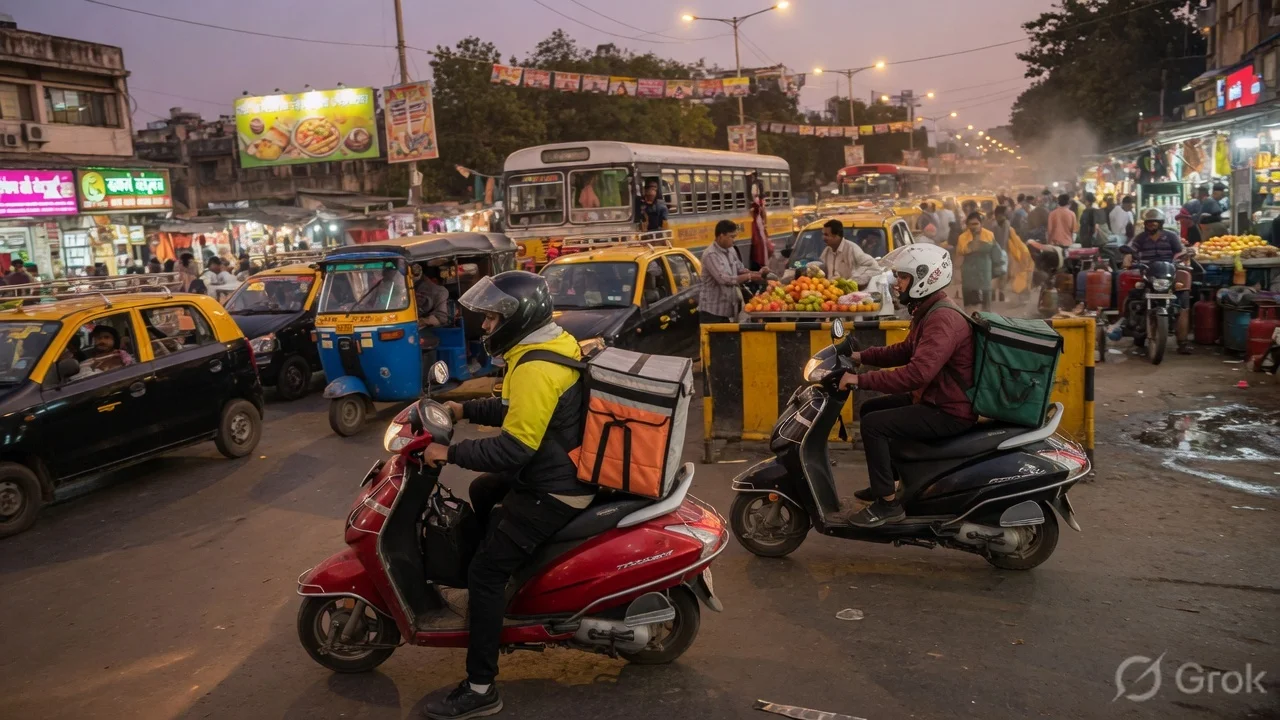
What’s the buzz?
Amazon and Flipkart, the two biggest e‑commerce players in India, have stepped into the quick‑commerce (or “q‑commerce”) arena with a vengeance. Think 10‑minute grocery drops, 30‑minute pharmacy deliveries and ultra‑fast parcel services. The idea is simple: if you can get a pack of noodles before your movie starts, you’ll stay glued to the app.
How deep is the rabbit hole?
Both giants are spending heavily. Amazon announced a fresh ₹3,500 crore infusion into its Indian q‑commerce arm, adding new micro‑fulfilment centres (MFCs) in Tier‑2 and Tier‑3 cities. Flipkart’s parent, Walmart, is not far behind – it has earmarked about ₹2,000 crore for its “Flipkart Quick” network, rolling out 400‑plus dark stores across the country.
These dark stores are essentially mini‑warehouses tucked inside residential complexes or shopping malls, stocked with fast‑moving items – snacks, toiletries, medicines, and a few ready‑to‑eat meals. The goal is to cut the “last‑mile” distance to under 3 km, making a 10‑minute delivery technically possible.
Numbers that matter
- Amazon’s q‑commerce unit, Amazon Fresh, now operates in 12 Indian metros and claims a 30% faster delivery time than its flagship Prime Now.
- Flipkart Quick reports an average order value (AOV) of ₹350, with a repeat‑purchase rate of 45% within a week.
- Industry analysts estimate the Indian q‑commerce market will hit ₹1.3 lakh crore by 2027, but the current profit margin hovers around 5‑7% for most players.
Why Indian users care
For the average Indian consumer, the promise of a 10‑minute delivery translates to real‑life convenience: no more last‑minute dhoom‑dham for a party, no frantic dash to the pharmacy when you forget your meds, and a reliable fallback when local kirana shops are closed.
But there’s a flip side. The hyper‑fast model forces companies to keep inventory in multiple tiny locations, which spikes real‑estate costs and leads to higher product prices. You’ll often see a ₹10‑₹15 markup on a packet of chips compared to a regular supermarket.
TamilTech’s take – the good, the bad, and the ugly
Pros:
- Speed. If you’re in a metro, a 10‑minute grocery run is now a reality.
- Choice. Both platforms are bundling local kirana stock with national brands, giving a wider assortment.
- Cashless safety. During COVID‑19 and now with the rise of digital payments, contactless delivery feels safer.
Cons:
- Price premium. The ultra‑fast service comes with a delivery surcharge (₹30‑₹50) and higher product margins.
- Profit pressure. With

Comments (0)
Be the first to comment!