


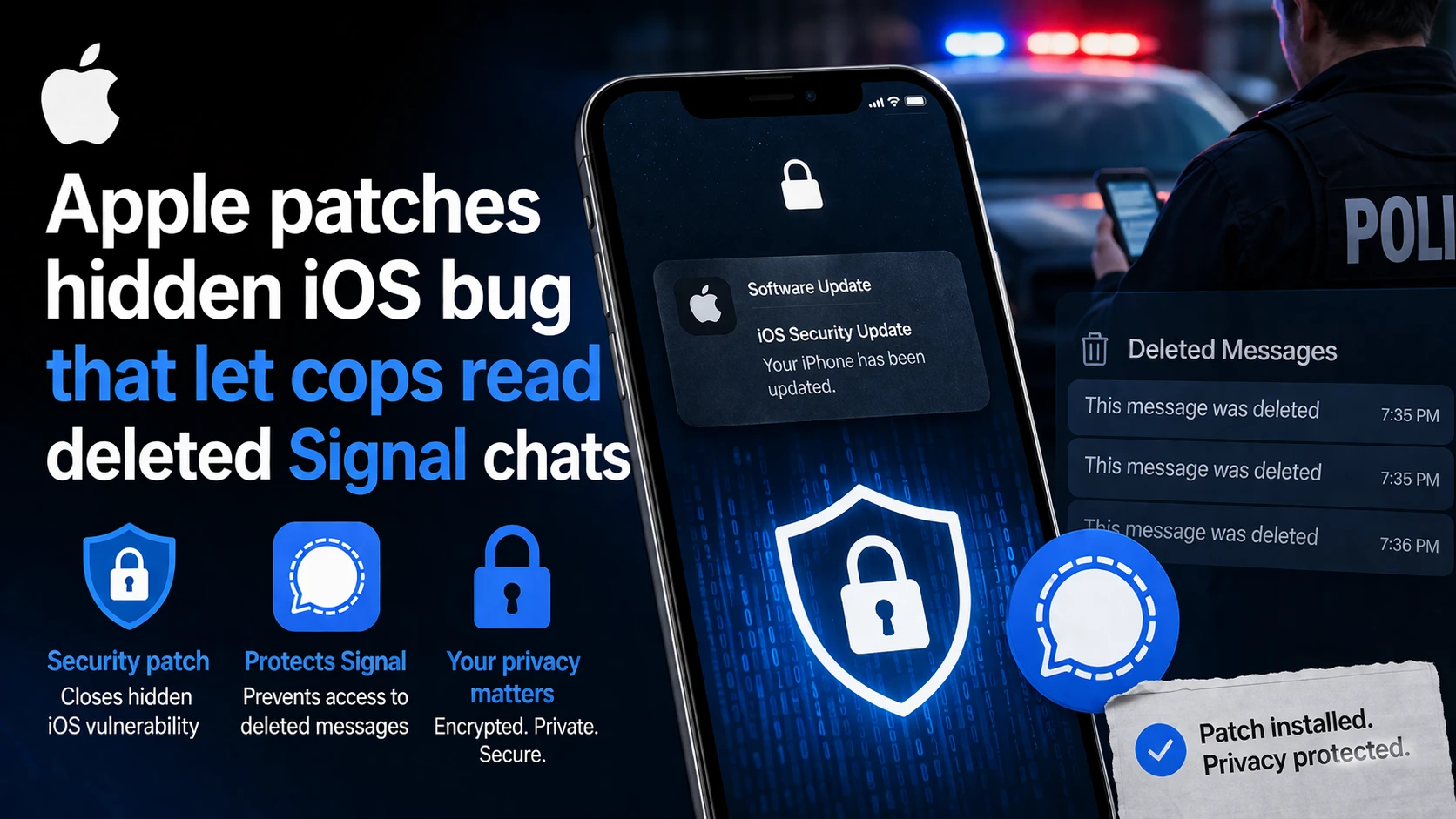
What happened?
Apple just released an iOS 17.5.2 security update that closes a long‑standing bug in the Notification Center. The bug kept a copy of every push notification – even after the user deleted the original message – in a hidden database. Since Signal’s messages are delivered as push notifications, a determined investigator could pull the stored notification and read a message that the sender thought was gone forever.
How the bug worked
When a Signal message arrives, iOS creates a notification payload that contains the message text (unless the user has disabled preview). The payload is stored temporarily so the system can show it on the lock screen. Apple’s code never cleared that payload after the user opened the chat and deleted the message. That meant the data sat in /private/var/mobile/Library/Notifications/ for weeks or even months, accessible to any app with the right entitlement – including forensic tools used by law‑enforcement.
Why it mattered to police
In a few high‑profile cases, Indian police claimed they recovered deleted Signal conversations by extracting the hidden notification cache from seized iPhones. Signal advertises end‑to‑end encryption, but the bug didn’t break the encryption – it simply captured the plaintext that iOS already had to display. That’s why the issue sparked a debate about privacy vs. investigative powers.
Apple’s fix
iOS 17.5.2 adds a clean‑up routine that wipes stored notification payloads as soon as the user interacts with the notification or opens the associated app. Apple also hardened the permissions around the notification database, making it inaccessible to third‑party apps without explicit system approval.
What Indian users should do
1. Update now. Open Settings → General → Software Update and install iOS 17.5.2.
2. Check Signal notification settings. Go to Settings → Signal → Notifications and turn off “Show Previews” or set it to “When Unlocked”.
3. Clear old notifications. Swipe down on the Notification Center, tap “Clear All”. This removes any cached entries that might have survived before the patch.
Impact on Indian privacy landscape
India’s Supreme Court has been pushing for stronger data‑privacy laws, and this episode adds fuel to the fire. While the bug was technical, the fallout shows how even encrypted apps can leak data through the OS. Users of Signal, WhatsApp, Telegram, and even iMessage should audit their notification preferences, especially if they share sensitive info about work, finances, or activism.
TamilTech’s take
We’re glad Apple finally addressed the flaw, but the delay raised questions. The bug existed for years and only came to light after a few investigative reports. In a country where digital dissent is often monitored, such hidden caches are a privacy nightmare. The good news: the fix is simple – just update and tighten your notification settings. The bad news: the incident proves that no app can guarantee privacy if the underlying OS is leaky.
What’s next?
Apple’s next major iOS release will likely include stricter sandboxing for notification data. Meanwhile, Indian lawmakers are expected to reference this case when drafting the Personal Data Protection Bill. For everyday users, the safest bet is to keep iOS up‑to‑date, use lock‑screen privacy settings, and consider disabling push previews for any app that handles confidential info.




Comments (0)
Be the first to comment!