


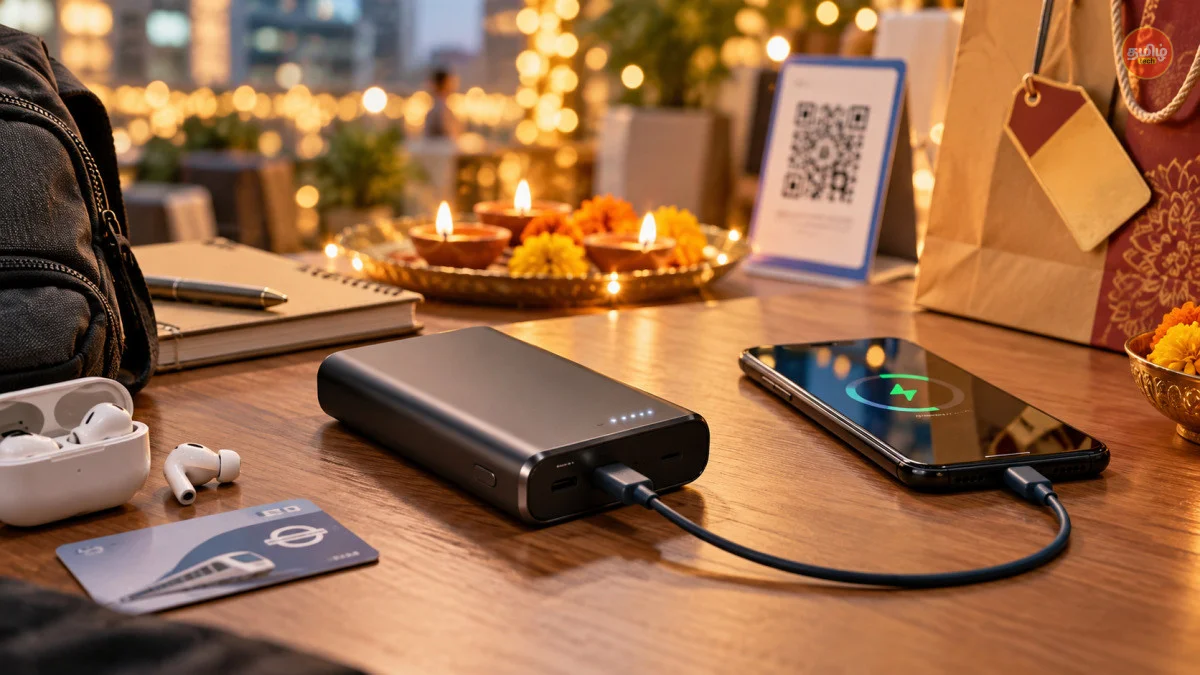
Who Should Buy a Power Bank Under ₹2,000?
If you're the kind of person who leaves the house with 40% battery and a prayer, a budget power bank is one of the smartest festive-sale purchases you can make. This price bracket — under ₹2,000 — is the sweet spot for most everyday users: students attending back-to-back classes, commuters stuck in traffic, small business owners who need their phone alive for UPI payments, and travellers heading out for Diwali trips. You don't need a massive 20,000mAh brick with six ports for daily use; a well-built 10000mAh power bank with fast charging support is usually enough to top up a phone one and a half to two times over.
This guide focuses on six festive-sale listings you're likely to see this October: the Portronics Power D, boAt PB300 Pro 10000mAh, boAt EnergyShroom PB300 Pro 10000mAh, and the Xiaomi Pocket Power Bank Pro / Pocket PB Pro 10000mAh 33W. A quick heads-up before you dive in: some of these are essentially the same product listed under slightly different names or edition tags by sellers — more on that in the tips section below, because it directly affects how much you should pay.
What Specs Actually Matter in This Price Range
Capacity (mAh) — Don't Chase Bigger Numbers Blindly
All the products in this guide are rated at 10000mAh, which is the most practical capacity for a sub-₹2,000 power bank. Remember that due to voltage conversion losses, you typically get 60-70% of the rated capacity as usable charge — so a 10000mAh unit realistically delivers around 6,500-7,000mAh to your phone. That's still enough for roughly 1.5-2 full smartphone charges depending on your phone's battery size.
Output Wattage and Fast Charging
This is where the real difference between a decent power bank and a mediocre one shows up. Look for at least 18W output if you own a modern smartphone, and ideally 20W-33W if your phone supports PD (Power Delivery) or QC (Quick Charge) fast charging. The Xiaomi models here claim 33W, which is genuinely useful for quickly topping up compatible phones, while the boAt PB300 Pro series and Portronics Power D typically sit in the 18W-22.5W range — still perfectly fine for daily top-ups.
Ports and Connector Type
Check whether the power bank offers USB-C input/output, USB-A output, or both. A USB-C-only design is more modern and often supports bidirectional fast charging (meaning it charges faster too), but a USB-A port adds flexibility if you still use older cables or accessories. Dual-port power banks let you charge two devices simultaneously, though total output gets split between them.
Build Quality, Weight and Portability
At this price, expect ABS plastic or a simple aluminium-finish shell rather than premium metal unibody builds. Weight typically ranges between 180-220 grams for a 10000mAh unit — light enough to toss into a daily bag. Pocket-friendly, rounded designs (as the Xiaomi "Pocket" naming suggests) are easier to carry than boxy, sharp-edged ones.
Safety Certifications and Indicators
Look for basic safety features: over-charge protection, short-circuit protection, and temperature control — most branded power banks in this range include these as standard. An LED indicator (either simple charge-level lights or a digital percentage display) helps you know exactly how much juice is left, which matters more than people realise when you're relying on it during a power cut or a long train journey.
Short Take on Each Product
Portronics Power D
Portronics has built a reputation in India for practical, no-frills accessories, and the Power D fits that mould. It's aimed at users who want a straightforward, reliable charging companion without unnecessary extras. Expect a clean design, standard 10000mAh capacity, and fast-charging support that covers most Android and iPhone charging needs. It's a solid pick if you prioritise a trusted local brand with easy after-sales support over flashy branding.
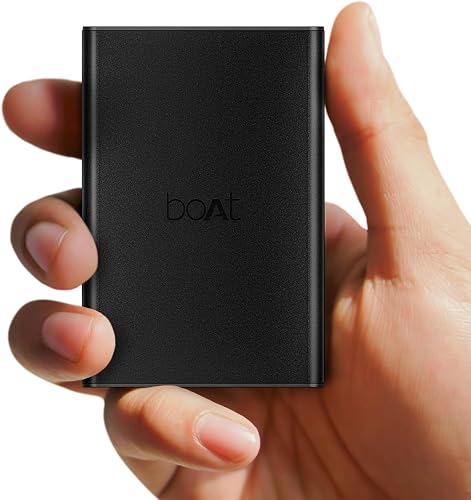
boAt PB300 Pro 10000mAh
boAt's audio products need no introduction in India, and their power bank lineup follows the same design language — bold colours, sporty branding, and dependable performance. The PB300 Pro brings 10000mAh capacity with fast-charging output suitable for quick top-ups. It's a good choice if you already own boAt accessories and like a consistent ecosystem feel, or simply want a brand with wide retail and service presence.
boAt EnergyShroom PB300 Pro 10000mAh
This appears to be a themed or special-edition variant of the same PB300 Pro series, likely sharing near-identical internals and charging specs with a different cosmetic finish or marketing name. If you come across both "PB300 Pro" and "EnergyShroom PB300 Pro" in the same sale, compare the listed specs carefully — in most cases, functionally they behave the same, so let design preference (or whichever has a better effective deal) be your deciding factor rather than assuming one is technically superior.
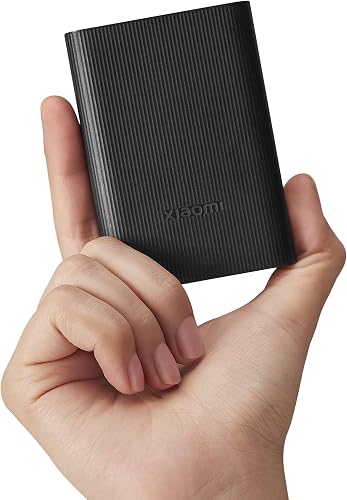
Xiaomi Pocket Power Bank Pro 10000mAh 33W
Xiaomi's Pocket Power Bank Pro series has earned a loyal following for squeezing genuinely fast 33W charging into a slim, pocket-friendly shell — a rarity at this capacity and price point. If your phone supports fast charging above 20W, this is likely the most future-ready option on this list, letting you get a meaningful charge in a short burst rather than a slow trickle.
Xiaomi Pocket PB Pro 10000mAh 33W
This listing shares the same core identity as the Pocket Power Bank Pro above — same capacity, same 33W output — and is most likely the identical product listed under a shortened or regional naming convention by a different seller. Before buying, check the product images, model number, and box contents to confirm you're looking at genuinely the same unit, then choose whichever listing offers better overall value in the sale.
Comparison Table: Specs at a Glance
| Product | Capacity | Max Output | Ports | Best For |
|---|---|---|---|---|
| Portronics Power D | 10000mAh | Up to ~20W | USB-A + USB-C | Everyday reliability, budget pick |
| boAt PB300 Pro 10000mAh | 10000mAh | Up to ~20-22.5W | USB-A + USB-C | boAt ecosystem users, sporty design |
| boAt EnergyShroom PB300 Pro 10000mAh | 10000mAh | Up to ~20-22.5W | USB-A + USB-C | Design/colour preference within boAt lineup |
| Xiaomi Pocket Power Bank Pro 10000mAh 33W | 10000mAh | Up to 33W | USB-C (in/out) | Fast charging, slim pocket carry |
| Xiaomi Pocket PB Pro 10000mAh 33W | 10000mAh | Up to 33W | USB-C (in/out) | Same as above — compare listing/seller value |
Festive-Sale Buying Tips
Stack Bank Offers Smartly
During October sales, most e-commerce platforms run instant discounts with specific bank cards or UPI apps. These bank offers can meaningfully reduce your effective cost on top of the sale price, but they're often capped at a fixed amount or percentage — so calculate the final price after the offer before comparing across listings, rather than going by the discount percentage shown.
Understand No-Cost EMI Before You Tap "Buy"
No-cost EMI sounds appealing for a sub-₹2,000 purchase, but remember the "discount" you'd otherwise get is usually adjusted into the EMI interest component, meaning you effectively pay close to the full listed price anyway. For an item this affordable, paying upfront (if you can) is usually simpler and avoids any processing fees or GST charged separately on EMI transactions.
Check Price History Before Trusting the "Deal"
Festive sale banners love big discount percentages, but they're only meaningful if compared against the real, recent selling price — not an inflated "was" price shown just for the sale. Use browser extensions or price-tracking tools to check the last 30-90 day price trend for each listing. A power bank that was selling at a similar price two weeks ago isn't really a festive deal, even if the page says otherwise.
Watch Out for Fake or Inflated MRP
Some third-party sellers list an unrealistically high MRP just to show a bigger discount percentage. This is especially common with power banks, where MRP on the box can differ wildly from the actual market rate. Cross-check the seller name, ratings, and return policy — and be extra cautious of listings with very few reviews but suspiciously large claimed discounts.
Confirm It's Sold/Fulfilled by a Trusted Seller
Given the near-duplicate listings mentioned in this guide (like the two boAt variants and two Xiaomi variants), it pays to buy from the official brand store or a large, well-reviewed seller on the platform, rather than the cheapest unknown third-party listing, to ensure warranty support is honoured.
Limitations and Risks to Keep in Mind
- Real-world capacity is lower than rated: Expect 60-70% usable charge due to voltage conversion loss — this is true for every power bank in this price segment, not a flaw specific to any one product.
- Charging speed depends on your phone too: A 33W-rated power bank won't charge your phone at 33W unless your phone and cable both support that speed and protocol (PD/QC).
- Cable included may be basic: Budget power banks often ship with a short, standard cable rather than a premium fast-charge-rated one — you may want to pair it with a good quality USB-C cable for best results.
- No pass-through charging guarantee: Not all units let you charge the power bank and a device simultaneously — check product details if this matters to you.
- Battery health degrades over time: Like all lithium-ion batteries, expect gradual capacity loss after 300-500 charge cycles, roughly 1-2 years of regular use.
- Duplicate listings can cause confusion: As noted with the boAt and Xiaomi variants here, always double-check model numbers and box images before finalising a purchase, especially across multiple sellers.
Final Word
For most everyday users, any of these 10000mAh power banks will comfortably handle daily charging needs during the festive season and beyond. If raw charging speed matters most to you, the Xiaomi 33W options have the edge. If you value brand ecosystem and wide service network, boAt's PB300 Pro series is a safe bet. And if you simply want dependable, fuss-free performance from a trusted Indian brand, the Portronics Power D is worth considering. Whichever you choose, apply the sale-shopping tips above — real price history, honest bank offer math, and seller verification — before you check out.




Comments (0)
Be the first to comment!