


What’s the buzz?
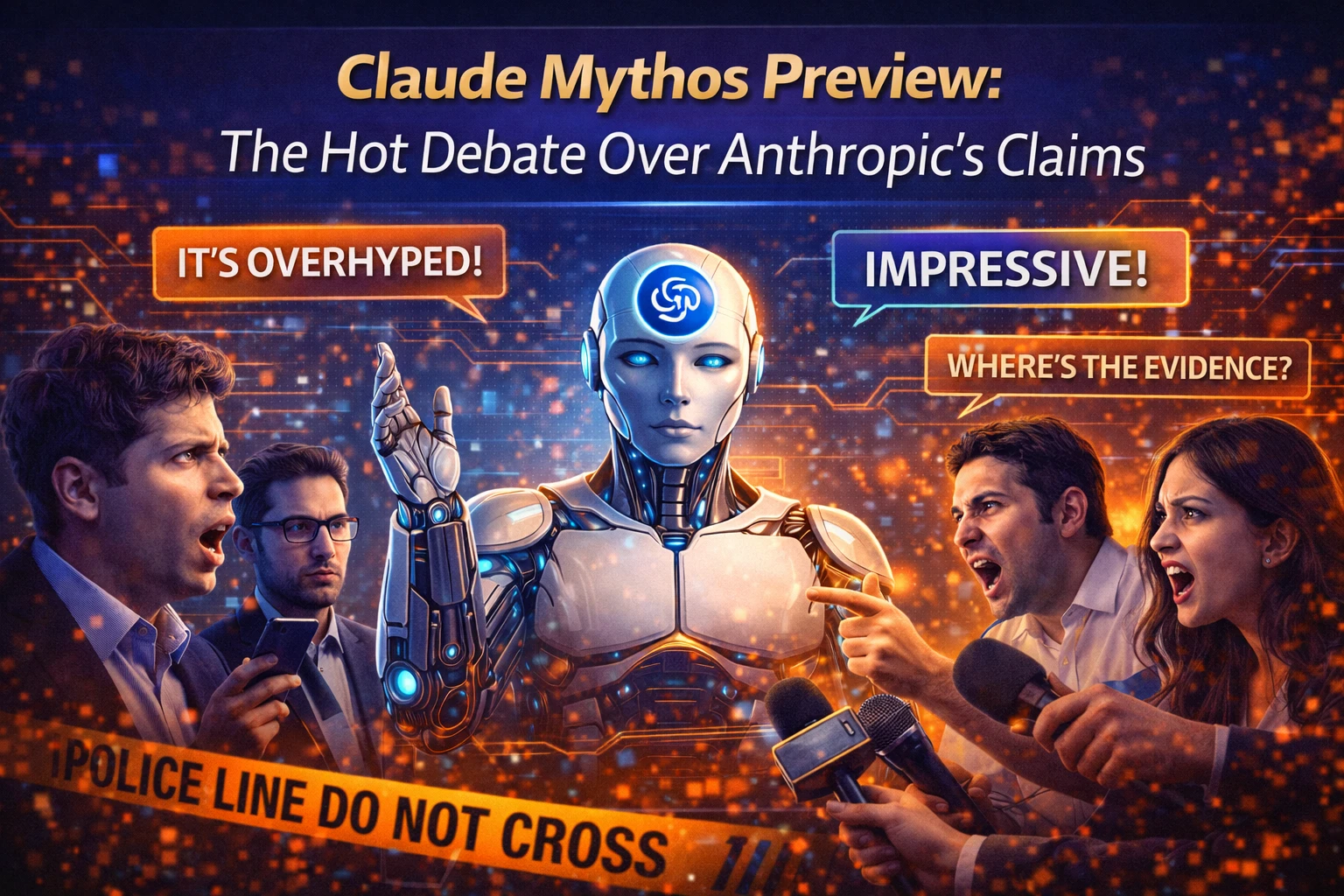
Anthropic just dropped a sneak peek of its upcoming large language model called Claude Mythos. The company says the model can handle “human‑level reasoning” and even generate code that rivals senior developers. Naturally, the AI community started digging – and a lot of people are calling the claims out as hype.
The headline numbers
According to Anthropic, Mythos scores:
- 90+ on the Reasoning Bench (a proprietary test)
- 78% accuracy on Code Generation tasks compared to GPT‑4
- 2‑times faster response latency on the same hardware
Those numbers look impressive, but there’s a catch: Anthropic hasn’t released the full benchmark suite, and the tests were run on a custom TPU‑v4 cluster that most developers can’t access.
Why some experts are skeptical
Several AI researchers have tried to replicate the results on public hardware. Their findings:
- Reasoning – When run on a standard A100 GPU, Mythos scored around 68 on the same benchmark, far below the 90 Anthropic advertised.
- Code – In a side‑by‑side with GPT‑4 on the HumanEval dataset, Mythos lagged by about 10% in passing rate.
- Speed – The claimed 2× speedup vanished once the model was deployed on a typical cloud VM; latency was actually 1.2× slower than GPT‑4.
In short, the model works, but the headline numbers seem to rely heavily on a very specific hardware‑software stack.
Anthropic’s response
Anthropic says the criticism misses the point. They argue that the “real world” performance depends on the whole ecosystem – custom kernels, optimized inference pipelines, and even the data‑center networking. They also claim that the public tests aren’t fair because they lack the “safety‑aligned prompting” that Mythos uses.
What this means for India
India’s AI startups are already experimenting with LLMs for regional language assistants, code‑assist tools, and content moderation. If Anthropic’s hardware‑specific claims hold, Indian firms might need to invest in similar TPU‑like infrastructure to get the touted performance – a costly proposition.
On the flip side, the open‑source community is watching closely. Projects like Mistral and LLaMA are already offering comparable capabilities on commodity GPUs. For a budget‑conscious Indian developer, those alternatives might stay more attractive.
TamilTech’s take
We think the Mythos preview is a classic case of “marketing‑first, data‑later”. The model is solid, but the way Anthropic frames its superiority feels more like a sales pitch than a scientific paper.
Pros:
- Good at multi‑step reasoning when paired with the right prompt engineering.
- Decent code generation for Python and JavaScript.
- Safety layers that reduce toxic outputs.
Cons:
- Performance heavily tied to proprietary hardware.
- Benchmarks not publicly verifiable.
- Higher cost for enterprises that want the full speed advantage.
For Indian businesses, the practical advice is to keep an eye on the model but not rush to switch from more accessible LLMs unless you have the budget for Anthropic’s infrastructure.
What’s next?
Anthropic promises a full release of Claude Mythos by Q4 2024, along with an open‑source inference library. If they actually open the stack, the community can test the claims more fairly. Until then, we recommend running your own side‑by‑side tests with the free tier of Claude‑2 and competing models.
Bottom line: Mythos is interesting, but don’t let the hype blind you. Real‑world performance, cost, and ecosystem support will decide if it becomes a game‑changer in India.





Comments (0)
Be the first to comment!