


Key Takeaways
- D2C sneaker brand Comet has raised ₹100 cr ($10.6 Mn) in Series B funding to scale offline retail.
- The round was led by global investors, reflecting growing appetite for India’s direct-to-consumer streetwear.
- Offline stores will target metro and tier-1 cities where sneaker culture is strongest.
- The move signals a broader D2C shift: using digital traction to justify brick-and-mortar bets.
- Expect Jio-powered local marketing, UPI-enabled contactless trials, and curated Flipkart sell-through in its growth playbook.
What's the news
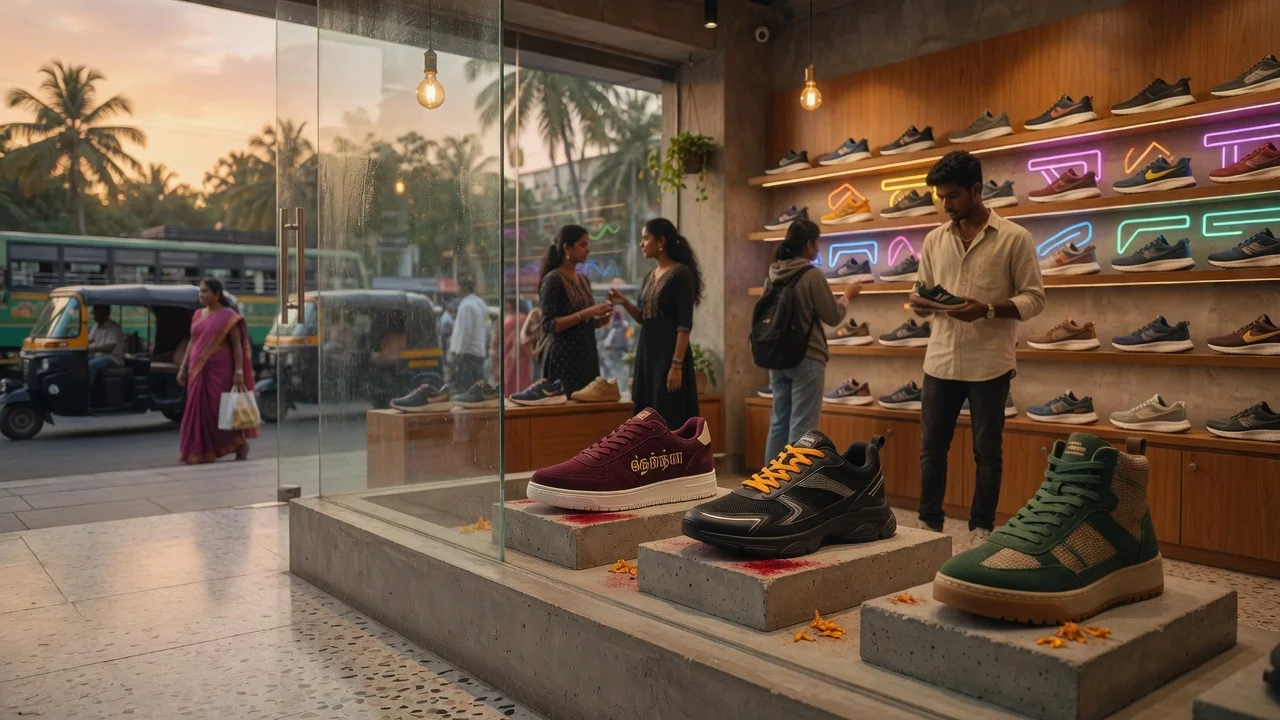
Comet, the direct-to-consumer sneaker label that built a cult following through Instagram drops and viral collabs, has raised ₹100 crore in a Series B round. The capital is earmarked for a hard push into offline retail. For years, brand founders argued that D2C meant e-commerce only. Comet’s move suggests that for certain categories, owning the shelf space beats renting it from a marketplace.
The streetwear market in India has exploded over the past five years. Gen Z buyers no longer trust faceless listings for limited-edition sneakers. They want to touch the material, try the fit, and feel the hype. By opening company-owned stores, Comet is betting that physical presence will lock in loyalty better than digital recommendations alone.
Details
To understand why ₹100 cr matters, look at sneaker retail unit economics in India. Attach rates work best when customers are inside a store. Comet plans to open 30 to 40 company stores over the next two years, starting with Bengaluru, Mumbai, Delhi NCR, and Hyderabad. Each outlet will function as a lifestyle zone with local streetwear collabs and possible customization stations.
The round was led by international investors; specific names were not disclosed. The valuation places Comet among India’s upper-tier D2C fresh labels. While marketplaces like Myntra and Ajio crowd the digital space, Comet wants to own the physical narrative. From a tech angle, offline expansion will rely on point-of-sale data. Footfall sensors, UPI patterns, and loyalty apps will feed a unified dashboard. This mirrors how Jio and Flipkart helped earlier D2C brands build digital scaffolding before going analog. In-store Wi-Fi and Jio’s 5G rollout could power AR try-on or exclusive digital drops for patrons.
India impact
This move is a litmus test for India’s D2C sector. For years, investors treated stores as vanity metrics. Now, with BoAt and Sugar Cosmetics showing offline can drive double-digit growth, the playbook has flipped. Comet is calling the bluff: passion purchases demand physical presence to protect margins.
The economic impact shows up in urban real estate and hiring. Sneaker retail creates three times more jobs per square foot than general clothing because floor staff and fit consultants are essential. In cities navigating tech layoffs, these flagship kiosks represent stable spending. There is also a supply-chain ripple. By going direct offline, Comet may bypass wholesale distributors and tighten inventory control. Faster replenishment matters when trends shift every quarter. Integrating these stores with digital channels lets customers browse online, reserve a pair, and pay via UPI.
Use cases
Try-before-buy culture: High-ticket, low-volume collections need to be felt. An offline node lets buyers gauge material and fit without return-shipping worries. Community hubs: Pop-ups during sneaker weeks, local DJ sets, or graffiti walls turn commerce into culture and justify click-and-collect logistics. UPI integrations: Contactless payments reduce queue time during limited drops. Jio network leverage: Ultra-dense 5G coverage lets in-store Wi-Fi stream exclusive content or unlock co-branded partnerships. Flipkart marketplace de-risking: A sell-through channel on Flipkart hedges against footfall volatility and captures non-branded search traffic.
Honest take
Let’s be blunt. ₹100 cr sounds glamorous, but sneaker retail in India is ruthlessly capital-intensive. City center rents, fitting-room maintenance, and royalties eat through cash fast. If Comet opens 40 stores over 24 months, that works out to roughly ₹2.5 to 3 crore per store before inventory and staffing. The math works only if transaction values stay high and churn stays low.
Another concern is differentiation. The offline sneaker market is already crowded with global giants and local competitors. A single D2C footprint may struggle to pull in walk-ins unless the product is truly unique. That said, the thesis is sound. D2C gave Comet scale and margin; offline gives it stickiness. Wakefit, BoAt, and Lenskart have merged digital and physical into one flywheel. Comet is on a proven path, though execution details remain under wraps. The real question is whether the store format can survive margin pressure from marketplaces and luxury brands.
Frequently Asked Questions
Q1: What exactly is Comet?
Comet is a direct-to-consumer sneaker brand that rose to popularity through digital-first drops, streetwear collabs, and a heavy Instagram presence.
Q2: How much money did it raise, and who led the round?
It raised ₹100 crore in a Series B round led by global investors. Specific entity names have not been publicly disclosed.
Q3: Why is offline retail so important for sneakers?
Jeans and socks are low-involvement buys. Sneakers are passion purchases where fit, material, and cultural vibe matter. Physical stores build trust and community that marketplaces cannot replicate.
Q4: Which cities will see Comet stores first?
While no final list has been shared, typical D2C sneaker rollouts start in Bengaluru, Mumbai, Delhi NCR, and Hyderabad due to high sneaker culture density.
Q5: How does this fit into the broader India D2C trend?
It aligns with a wider pivot where D2C brands use digital traction to justify brick-and-mortar bets. Companies like Lenskart and BoAt have already proven that offline channels can de-risk the onboarding funnel.



Comments (0)
Be the first to comment!