


Key Takeaways
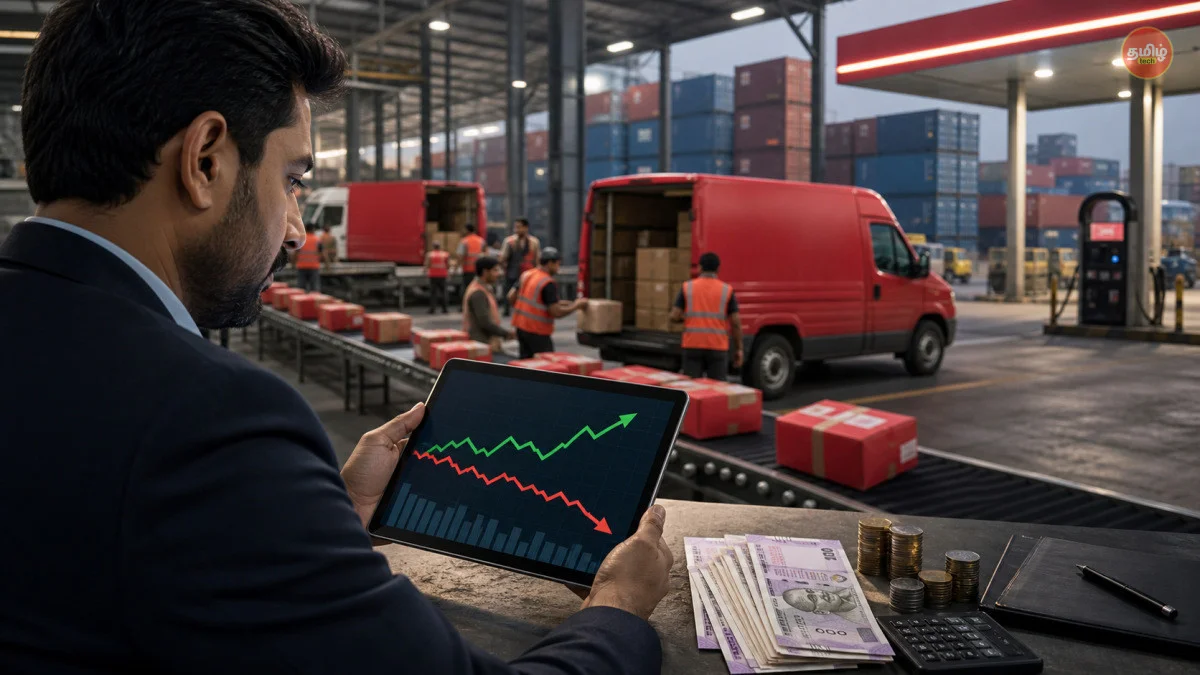
- Delhivery's Q1 profit crashed 65% YoY to ₹32 crore despite 28% revenue growth
- Logistics sector facing intense margin pressure amid rising fuel and operational costs
- Indian logistics market becoming increasingly competitive with new players entering
- Company's focus on volume over profitability strategy raising concerns among investors
- E-commerce boom continues but delivery costs eating into margins across the sector
What's the News
In a surprising turn of events, logistics giant Delhivery has reported a massive 65% year-on-year decline in Q1 profit, falling to just ₹32 crore, despite posting a respectable 28% increase in revenue. The numbers paint a worrying picture for one of India's most valuable logistics startups.
Details
The Bengaluru-based company, which handles everything from e-commerce deliveries to enterprise logistics, saw its revenue climb to ₹2,841 crore in Q1 FY25, up from ₹2,227 crore in the same quarter last year. However, the profit story tells a completely different tale.
Several factors are behind this profit squeeze. Rising fuel prices across India have hit logistics companies hard, with diesel costs climbing steadily throughout the quarter. Additionally, the company has been investing heavily in expanding its delivery network and technology infrastructure to handle the growing e-commerce demand.
Delhivery's management has been focusing on capturing market share in the highly competitive logistics space, where players like Ecom Express, Xpressbees, and Shadowfax are all fighting for the same e-commerce clients. This volume-over-margin strategy is showing its effects in the bottom line.
India Impact
This development has significant implications for India's logistics sector, which is crucial for the country's digital economy growth. The logistics market, valued at over ₹10 lakh crore, is expected to grow rapidly as more Indians come online and shop from smaller cities.
The profit pressure on major logistics players could lead to consolidation in the sector or force companies to rethink their pricing strategies. For consumers, this might mean higher delivery charges in the long run as companies try to protect their margins.
The government's push for logistics infrastructure development, including the creation of industrial corridors and dedicated freight corridors, should help reduce operational costs in the long term. However, these benefits will take time to materialize.
Use Cases
Delhivery's business spans multiple segments:
- E-commerce fulfillment for platforms like Amazon, Flipkart, and Meesho
- Enterprise logistics for large corporations
- Cross-border logistics for international trade
- Last-mile delivery in tier-2 and tier-3 cities
The company's technology platform handles millions of shipments daily, using AI for route optimization and warehouse management. Despite the profit challenges, the demand for its services continues to grow, particularly from smaller e-commerce players who rely on Delhivery's extensive network.
Honest Take
Look, this isn't great news for Delhivery investors, but it's not entirely unexpected either. The logistics sector in India is going through a painful transition phase. Margins are thin, competition is fierce, and the costs are rising faster than revenues in many cases.
What's concerning is whether Delhivery can maintain its growth trajectory while becoming profitable. The company has raised over ₹18,000 crore in funding, and investors are getting impatient with the profitability timeline.
That said, the long-term story for logistics in India remains strong. With the government's focus on infrastructure development and the continued growth of e-commerce, companies with strong networks like Delhivery should eventually find their way to profitability.
The key will be execution - can Delhivery control costs while continuing to expand its market share? Only time will tell, but for now, investors should probably keep their expectations in check.



Comments (0)
Be the first to comment!