


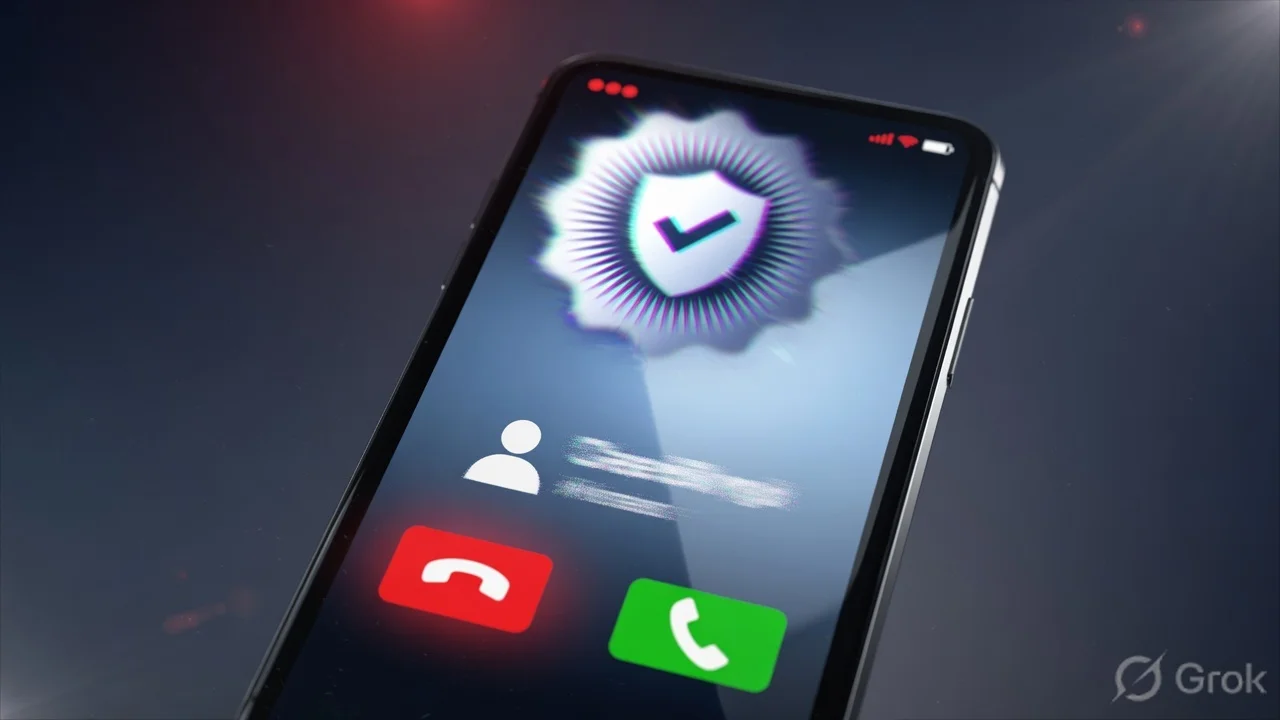
What the FCC just did
On Tuesday the Federal Communications Commission (FCC) passed a proposal that makes it mandatory for every telecom carrier – from traditional phone companies to internet‑based VoIP providers – to check the identity of a customer before turning on service. In plain English, you can’t get a new phone number unless the carrier can prove you’re a real person.
Why this matters now
Robocalls have been a nightmare for Americans for years. The FCC estimates that more than 80 % of all calls received on a typical mobile line are spam or scams. The new rule is meant to choke the supply chain: if scammers can’t get a fresh number without proving they exist, the volume of illegal calls should drop.
The nuts‑and‑bolts of the rule
Under the proposal, carriers must collect at least one piece of government‑issued ID – a driver’s licence, passport, or state ID – and run it through a verification service before they can activate a line. The verification has to happen in real time, which means the carrier’s system will talk to a database (think DMV or credit‑bureau) as you fill out the sign‑up form.
If the ID can’t be verified, the carrier has to refuse activation. The rule also requires carriers to keep a record of the verification for at least two years and to make that data available to law‑enforcement on a warrant.
Who’s affected?
Every provider that offers a phone number in the United States – from AT&T, Verizon and T‑Mobile to newer players like Google Voice, Zoom Phone and even small regional VoIP outfits – will have to roll out the ID check. The FCC says the rule will apply to both post‑paid and prepaid plans, and even to “temporary” numbers used for things like ride‑hailing apps.
Privacy concerns – the flip side
Collecting a government ID for a service that used to be as easy as entering a name and email raises eyebrows. Critics argue that this creates a massive trove of personal data that could be targeted by hackers or mis‑used by the carriers themselves. The FCC says the data will be stored securely and only shared with law‑enforcement when a warrant is presented, but the devil is in the details.
Another worry is the impact on people who don’t have easy access to a government ID – undocumented immigrants, low‑income families, or seniors who lost their licence. The FCC claims carriers can accept alternative documents, but the rule doesn’t spell out how flexible that will be.
What this could mean for India
While the rule is US‑centric, Indian telecoms watch US policy closely because many of the same players (Google Voice‑style services, VoIP startups) operate here. If Indian regulators follow suit, we could see a similar ID‑check requirement for Jio, Airtel, and even for OTT‑based calling apps like WhatsApp and Telegram.
For Indian users, the immediate impact might be a slight delay when you order a new prepaid SIM – you’ll likely have to upload a scanned Aadhar card or passport instead of just giving a mobile number. On the upside, a stricter ID regime could curb the flood of spam calls that we all hate.
TamilTech‑ஓட கருத்து
Honestly, the idea of making robocalls harder is a win – nobody wants another “you’ve won a lottery” call at 2 am. But we have to ask: at what cost? If every new line needs a verified ID, the barrier for legitimate users goes up. In India, where many still rely on cash‑based purchases and don’t keep digital copies of IDs, this could push people back to cheap, unverified SIM cards, which defeats the purpose.
Privacy‑wise, we’re already handing over a lot of data to apps like WhatsApp and Instagram. Adding another layer of personal documents to telecoms feels like overkill unless there are rock‑solid safeguards. We’d love to see a transparent audit framework – maybe a third‑party privacy board that checks how carriers store and use the data.
What should you do now?
If you’re in the US and planning to switch carriers, be ready to upload a clear scan of your ID. Keep a digital copy of your licence or passport handy – most carriers let you upload a JPG or PDF in the sign‑up flow.
Indian readers, keep an eye on TRAI announcements. If a similar rule lands here, make sure you have a digital Aadhar or PAN ready when you order a new SIM online. And for the privacy‑concerned, consider using a secondary number from an OTT provider that isn’t subject to the same verification (though they might add their own checks later).
Looking ahead
The FCC will now open a 30‑day comment period. Industry groups, consumer advocates and privacy NGOs are expected to weigh in. If the final rule stays as drafted, carriers will need to overhaul their onboarding software – a costly effort that could push some smaller VoIP players out of the market.
For us at TamilTech, we’ll keep tracking how the rule evolves and what it means for Indian users. One thing’s clear: the battle against robocalls is far from over, and the next front might be right at the door of your SIM‑card provider.



Comments (0)
Be the first to comment!