


Key Takeaways
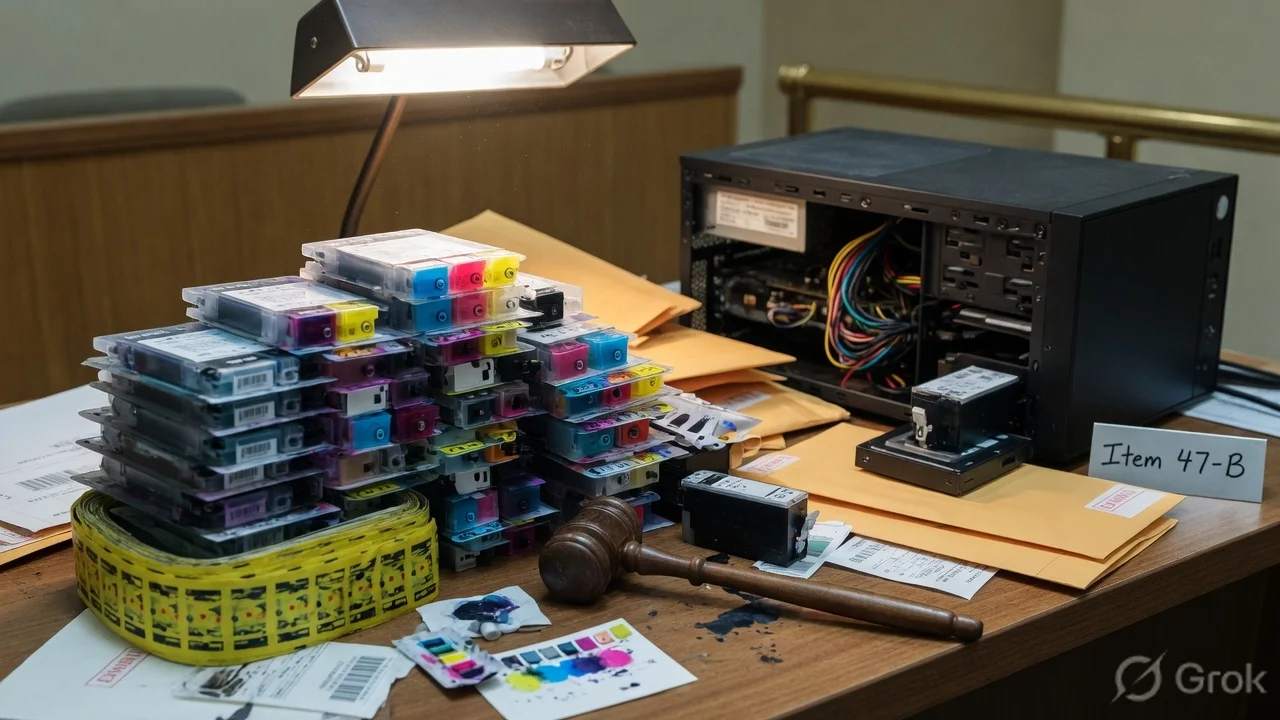
- HP has been fined ₹1.4 billion (₹140 crore) in 2026 for engaging in anti-competitive cartelization practices.
- The fine covers price-fixing and market manipulation for printer ink cartridges, toners, and personal computers.
- Investigation revealed that HP coordinated with other entities to keep prices artificially high, preventing fair market competition.
- For Indian consumers, this could lead to more transparent pricing for printer peripherals and better availability of third-party ink options.
If you have ever felt that buying printer ink is more expensive than buying the printer itself, you are not alone. For years, tech enthusiasts and office workers have complained about the skyrocketing costs of original cartridges. Well, it turns out there was something fishy going on behind the scenes. In a landmark ruling this July 2026, HP has been slapped with a massive fine of ₹1.4 billion (approximately ₹140 crore) for what is known as 'cartelization'. This is not just a slap on the wrist; it is a major statement against how tech giants control the market and your wallet.
What Exactly is Cartelization?
Let's break this down in simple terms. In a healthy market, companies like HP, Dell, and Lenovo should compete with each other. Competition is great for us because it drives prices down and quality up. However, 'cartelization' happens when these big players (or their distributors and partners) stop competing and start collaborating in secret. They basically agree on a minimum price for products like ink cartridges or PCs so that no one undercuts the other. In this case, the investigation found that HP was involved in such practices, ensuring that prices for toners and cartridges remained high across the board, leaving consumers with no choice but to pay the premium.
The Ink Cartridge Trap: Why This Matters
For a long time, HP has been criticized for its aggressive stance on printer ink. You might have noticed your printer refusing to work if you use a third-party, cheaper cartridge. They often use software updates to block non-HP ink, claiming it is for 'security' or 'quality' reasons. But the recent findings suggest that the motive was much more about profit than protection. By forming a cartel-like environment, they ensured that the 'official' ink stayed expensive. When you realize that 1.4 billion rupees is on the line, you understand the scale of the manipulation. This fine specifically targets the way they handled the supply chain and pricing for these essentials in 2026.
Impact on the PC and Laptop Market
While the ink and toner part of the story is the most frustrating, the fine also covers the PC segment. HP is a dominant force in the Indian laptop and desktop market, especially in the corporate and education sectors. The investigation revealed that the price-fixing wasn't limited to just peripherals; it extended to how PCs were being quoted for large-scale deals. This means schools, offices, and even individual buyers might have been paying a 'coordinated' price rather than a fair market price. In 2026, where digital infrastructure is the backbone of everything, this kind of price manipulation hits the economy hard.
The Indian Context: Will Prices Drop in India?
HP has a massive footprint in India, from small towns to big metros. Most Indian households that own a printer likely have an HP LaserJet or DeskJet. This fine sends a strong signal to the Indian market. We expect the regulatory bodies to keep a much closer eye on how printer peripherals are priced on platforms like Amazon India and Flipkart. If the cartel is broken, we might finally see more competitive pricing for original toners. More importantly, it might force HP to be less aggressive with their firmware updates that block third-party ink, which would be a huge win for budget-conscious Indian students and small business owners.
TamilTech's Analysis: Our Honest Take
At TamilTech, we have always been vocal about 'Right to Repair' and consumer choice. We think this fine is a long time coming. For too long, the 'Razor and Blade' business model—sell the printer cheap, make the ink expensive—has been used to exploit users. HP's attempt to control the entire ecosystem through coordinated pricing is a classic example of corporate greed. Our advice? If you are looking for a printer today in 2026, seriously consider 'Ink Tank' printers from brands that offer more transparent refill systems, or look for models that don't lock you into a single ecosystem. This ₹1.4 billion fine is a victory for the consumer, but the real change will happen when we start voting with our wallets.
What to Expect Next?
HP will likely appeal the fine, as is standard for these tech giants. However, the evidence presented regarding price coordination is substantial. We expect other brands to take note and perhaps distance themselves from similar pricing 'agreements'. In the coming months, keep an eye on printer sales. You might see more aggressive discounts as HP tries to regain consumer trust and clear inventory under a more watchful regulatory eye. For now, if you're buying a PC or a printer, do your research, compare across brands, and don't just settle for the first 'official' price you see.



Comments (0)
Be the first to comment!