


Key Takeaways
- India's sole semiconductor fabrication plant receives Rs 4,500 crore funding boost from government and private partners
- The facility aims to chip away at India's $20 billion annual semiconductor import bill
- Technology partner TSMC will provide cutting-edge 28nm process technology
- Target operational capacity of 50,000 wafers per month by 2028
- Focus initially on automotive and consumer electronics chips for domestic market
What's the news
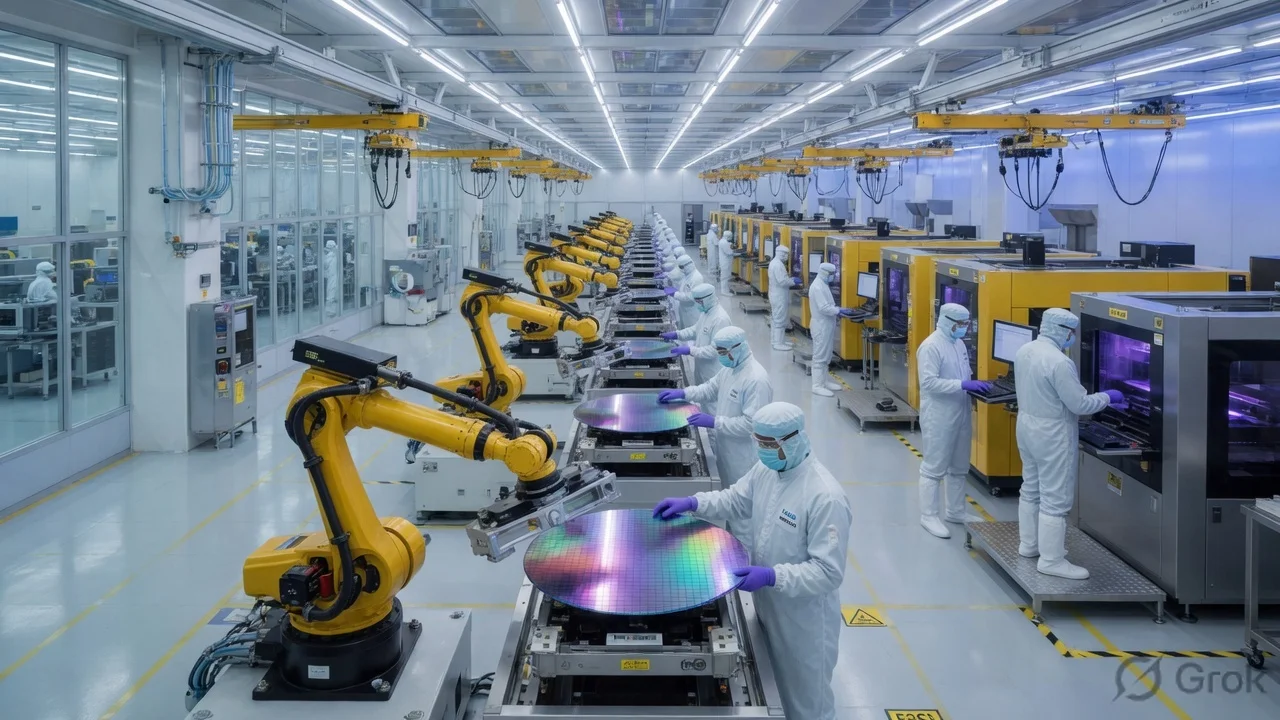
The Indian government has just announced a massive Rs 4,500 crore investment boost for the country's only semiconductor fabrication plant. This funding injection comes at a crucial time when India is trying to reduce its dependence on imported chips, which currently cost us around $20 billion annually. The facility, located in Gujarat, will now have the financial muscle to scale up operations and compete in the global semiconductor market.
Details
The funding breakdown shows Rs 2,500 crore from the central government, Rs 1,500 crore from state government, and Rs 500 crore from private sector partners. The fab, a joint venture between a domestic conglomerate and Taiwan's TSMC, will focus on 28nm process technology initially. This is significant because 28nm is the sweet spot for automotive chips and many consumer electronics devices that dominate the Indian market.
The facility will create approximately 3,000 direct jobs and 10,000 indirect jobs in the semiconductor ecosystem. The government has also promised additional incentives for companies that set up design and testing facilities around the fab, creating a complete semiconductor value chain in India.
India impact
This investment could be a game-changer for India's electronics manufacturing ambitions. With the 'Make in India' initiative gaining momentum and companies like Apple, Samsung, and Xiaomi expanding their local production, having domestic chip manufacturing capacity reduces supply chain risks and costs. The automotive sector, which is seeing rapid electrification in India, will particularly benefit from locally manufactured chips.
However, India still lags behind countries like Taiwan, South Korea, and even China in semiconductor manufacturing capabilities. The Rs 4,500 crore injection, while substantial, is a fraction of what global chip giants invest in their fabs. The real challenge will be building the skilled workforce and supply chain ecosystem needed to sustain semiconductor manufacturing at scale.
Use cases
The fab's initial focus will be on chips for automotive applications, including engine control units and safety systems for the growing number of cars on Indian roads. Consumer electronics chips for smartphones, tablets, and smart TVs will follow, supporting the massive domestic market. There's also potential for defense applications, reducing reliance on imported military-grade chips.
Beyond these immediate applications, the fab could eventually produce chips for India's expanding 5G infrastructure and Internet of Things (IoT) devices. The government is already in talks with several Indian startups working on edge computing and AI applications that could benefit from locally manufactured chips.
Honest take
While the Rs 4,500 crore funding is welcome news, calling it a silver bullet for India's semiconductor ambitions would be overhyping it. The shopping list for what the fab plans to achieve is indeed clearer than the mission itself. Building a semiconductor ecosystem takes decades, not years, and requires consistent policy support, massive R&D investment, and most importantly, global partnerships.
The timing is interesting though. With global chip shortages still affecting industries worldwide and countries like the US and Europe pushing for semiconductor self-reliance, India might find itself in a sweet spot. The real test will be execution - can the fab actually scale up to promised capacity by 2028? Can it compete on price and quality with established players in Taiwan and South Korea?
For now, this funding boost is a positive step, but India needs to think bigger and bolder if it truly wants to become a semiconductor powerhouse. The Rs 4,500 crore is just the beginning, not the end of the journey.





Comments (0)
Be the first to comment!