


What’s the buzz?
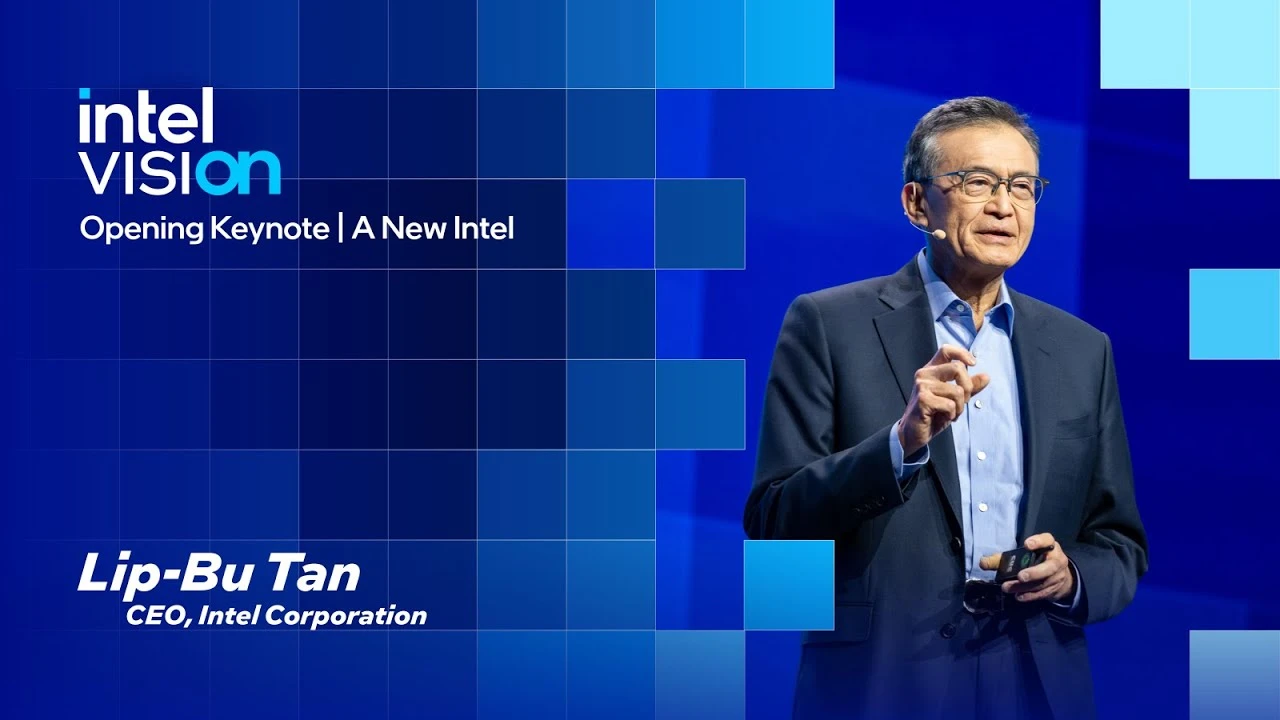
Intel just released its Q2 2024 results and the numbers are finally looking less scary. After a few shaky quarters, the chip giant posted a modest profit, trimmed its debt, and said its new manufacturing roadmap is on track. In plain TamilTech‑style, CEO Lip‑Bu Tan is actually pulling off the turnaround he promised.
Balance sheet – the money‑talk
First thing that caught our eye: cash on hand jumped to $12.6 billion, up from $9.5 billion a year ago. Debt fell by $3 billion after a series of asset sales and a $5 billion share‑buyback. The free cash flow turned positive for the first time since 2020, sitting at $1.2 billion. In short, Intel now has the runway to fund its fab upgrades without burning through cash.
Operations – the silicon side
On the product front, the 13th‑gen Core i5/i7 chips are finally hitting the sweet spot between performance and power – a big win for laptop makers in India who were waiting for a better‑priced alternative to AMD’s Ryzen 7000 series. Data‑center revenue grew 12% YoY, driven by the new Xe‑HPC GPUs that are starting to ship to cloud providers.
Why does this matter for Indian users?
1. More affordable laptops – With Intel’s pricing pressure on AMD, we can expect a wave of mid‑range laptops around ₹45,000‑₹55,000 equipped with 13th‑gen CPUs. Those are the devices most students and small‑business owners will buy on Flipkart or Amazon India.
2. Better cloud performance – Indian startups that rely on AWS, Azure or Google Cloud will see lower latency for AI workloads as Intel’s Xe‑HPC chips get integrated into the data‑center fleet. That translates to cheaper inference costs for apps like Swiggy’s demand‑forecasting.
3. Local fab investment – Intel announced a $2 billion expansion of its Fab 28 plant in Arizona, but the company also hinted at a future partnership with an Indian semiconductor park. If that materialises, we could see a home‑grown supply chain for certain IoT chips, cutting import duties and boosting Make‑in‑India.
Tan’s playbook – what’s actually working?
Tan’s strategy boils down to three pillars:
- Financial discipline – aggressive cost cuts, share buy‑backs, and a focus on high‑margin data‑center products.
- Technology catch‑up – accelerating the “IDM 2.0” roadmap, which blends in‑house fab work with external foundry partnerships (think TSMC and Samsung).
- Product focus – dropping low‑margin legacy chips and doubling down on AI‑ready silicon.
All three are showing early signs of success. The cash burn has slowed, the new “Intel Arc” GPU line is finally shipping in volume, and the company’s internal fab yield rates for 7nm have improved from 45% to 58% – a metric that matters more than any marketing hype.
Indian market – opportunities and challenges
While the numbers look good, Intel still faces stiff competition from AMD, which continues to dominate the high‑end desktop segment, and from the rising ARM‑based SoCs from Apple and Qualcomm. For Indian consumers, the real test will be whether Intel can keep pricing competitive while delivering the promised performance uplift.
Another challenge: the Indian government’s push for “Make‑in‑India” chips means local manufacturers will demand cheaper licensing. Intel’s willingness to partner with Indian fabless players could be a make‑or‑break factor.
TamilTech‑ஓட கருத்து
Honestly, we’re starting to feel a bit of optimism. Lip‑Bu Tan’s turnaround isn’t a miracle cure, but it’s a solid, data‑driven effort. The balance sheet is healthier, the fab yields are climbing, and the product pipeline finally aligns with market demand. For Indian users, that could mean a new generation of affordable, power‑efficient laptops and faster cloud AI services – both of which we need as the country moves deeper into digital transformation.
But keep an eye on two things: price wars with AMD and how quickly Intel can get its next‑gen 5‑nm chips into volume production. If those happen, Intel could reclaim a sizable share of the Indian PC market and become a stronger partner for local cloud startups.
What’s next?
Look out for the next earnings call in Q4 – Intel will likely reveal more about its 5nm roadmap and any concrete India‑specific fab plans. Also, watch the launch of the new Intel Arc A770 graphics cards in Indian e‑commerce stores – a good barometer for how the company’s gaming and creator‑segment strategy is playing out locally.
Bottom line: Intel is no longer the ‘sinking ship’ narrative you heard last year. It’s still a work‑in‑progress, but the tide is turning, and Indian tech‑savvy users should start feeling the ripple soon.




Comments (0)
Be the first to comment!