


What happened?
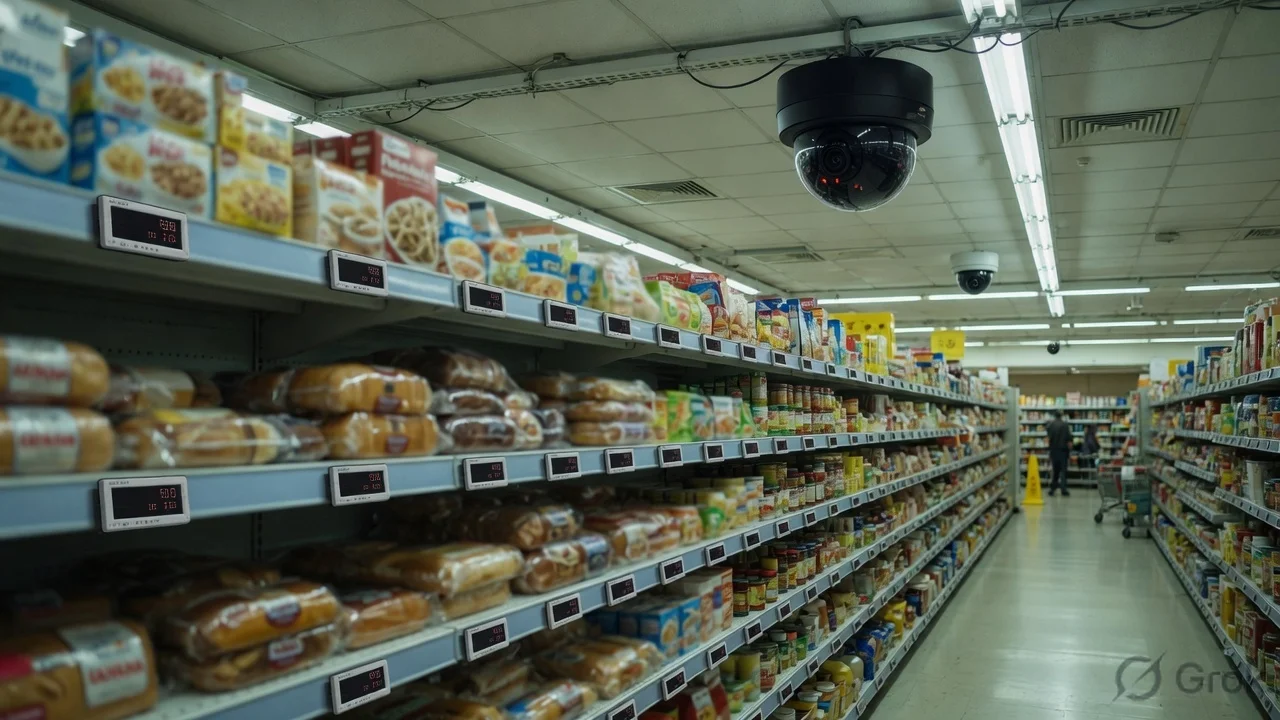
Maryland became the first US state to ban surveillance pricing in grocery stores. In plain English, retailers can no longer change the price of a product based on a shopper’s purchase history, location, or even the device they use to scan the barcode. The law, signed last week, forces stores to display a single, uniform price for every customer walking through the aisle.
How does surveillance pricing work?
Imagine you’re a regular at your local supermarket. You buy a lot of organic avocados, and the store’s loyalty app notices that. Next time you walk in, the system can automatically bump the price of avocados by a few cents because it knows you’re a repeat buyer. Some chains even use Wi‑Fi probes or smartphone MAC addresses to detect who you are before you even pick up a product. The price you see on the shelf might be the same for everyone, but the price that flashes on the self‑checkout screen can be higher for “high‑value” shoppers.
Why Maryland took a stand
Consumer advocates argued that this practice is a hidden tax on the data‑savvy, and it undermines the promise of price‑transparency. Maryland’s Consumer Protection Office said the law protects shoppers from “price discrimination based on personal data.” The bill also requires retailers to provide a clear, printed price tag that matches the checkout price for all patrons.
Who else is watching?
Colorado, California, Massachusetts, Illinois and New Jersey already have bills in the pipeline that look a lot like Maryland’s. If they pass, we could see a de‑facto national standard where grocery pricing becomes a level‑playing field.
Impact on Indian shoppers
Even though the law is US‑centric, the ripple effect reaches Indian consumers in a few ways:
- Online grocery platforms like BigBasket, Grofers, and Amazon Pantry use similar data‑driven pricing algorithms. A US crackdown could push Indian regulators to examine local practices.
- Cross‑border e‑commerce – many Indian shoppers buy US‑based pantry items via Amazon Global. Uniform pricing rules could affect the final INR cost.
- Data‑privacy awareness – Indian users are becoming more conscious about how apps track their buying habits. This news adds fuel to the debate about a possible Indian data‑privacy law covering retail.
What does this mean for retailers?
Retailers will have to redesign their loyalty and pricing engines. Instead of dynamic, per‑customer price tags, they’ll need to focus on bulk discounts, coupons, and transparent promotions that apply to everyone. The shift could also push more stores to adopt price‑matching guarantees as a competitive edge.
TamilTech-ஓட கருத்து
நாம் பார்க்கும் போது, இந்த சட்டம் ஒரு சிறிய ஜம்ப் ஸ்டார்ட் மட்டுமா? இல்ல, இது ஒரு பெரிய தரவு-பாதுகாப்பு அலை. இந்தியா முழுவதும் UPI, Paytm, PhonePe போன்றவைகளில் பயனர்கள் தினமும் ட்ரான்ஸாக்ஷன் செய்கிறார்கள், அதற்கு இணையாக ரிட்டெயில்-டேட்டா எவ்வாறு பயன்படுத்தப்படுகிறது என்பதையும் கவனிக்க வேண்டும். மேரிலாண்ட் எடுத்துக்காட்டை பின்தொடர்ந்தால், இந்தியா கூட Data Protection Bill‑இல் ரிட்டெயில்‑ஸெக்ஷன் சேர்க்கலாம்.
What shoppers can do now
If you’re in the US, keep an eye on the price tags. If a checkout screen shows a higher number than the shelf tag, ask the cashier to honor the printed price – the new law gives you that right. If you’re in India, start cleaning up the permissions you’ve given to grocery apps. Turn off location tracking, limit ad‑ID usage, and use a generic email for loyalty programs.
Looking ahead
We’ll probably see a wave of state‑level bills in the next 12‑18 months. The big question is whether a federal law will eventually codify a single pricing rule for the whole country. Until then, shoppers should stay vigilant and demand transparency. The era of “you’re paying more because we know you love avocados” might finally be over.



Comments (0)
Be the first to comment!