


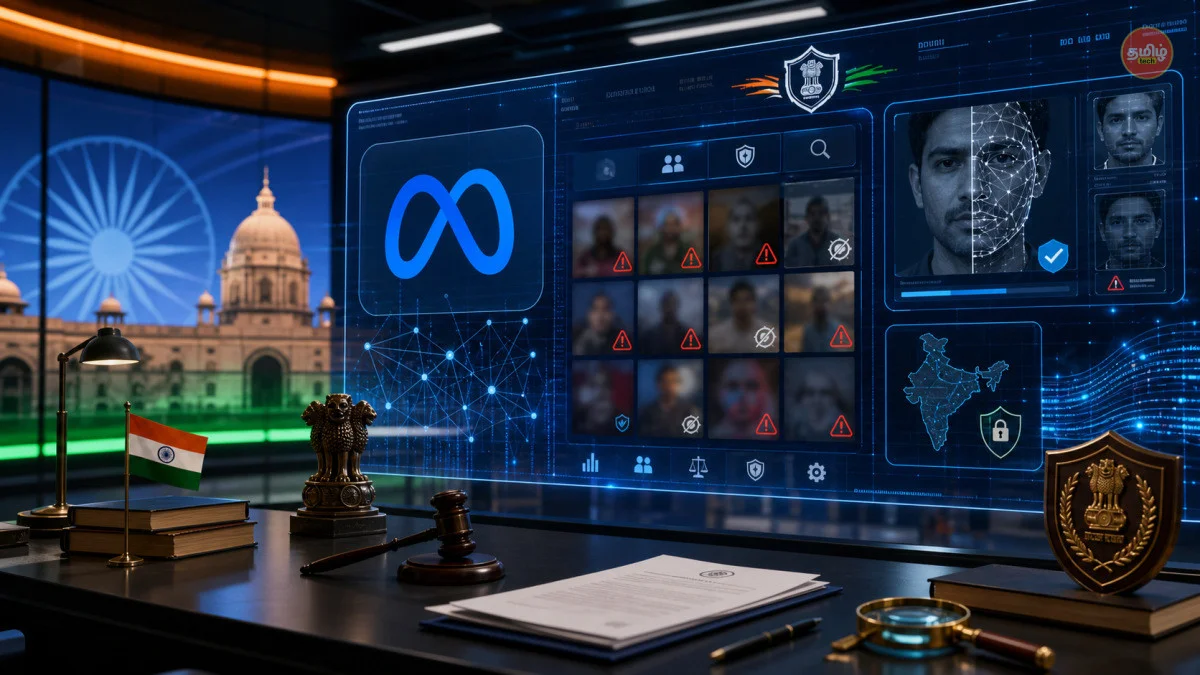
Key Takeaways
- 3. The Ministry of Electronics and Information Technology (MeitY) has issued a formal notice to Meta, demanding significant changes to its content recommendation and moderation algorithms.
- 4. The directives specifically focus on curbing the spread of deepfakes, illegal content, and other harmful material that violates Indian laws.
- 5. This action reflects the government's growing emphasis on digital safety and accountability for large social media platforms operating in the Indian market.
What's the News
The Ministry of Electronics and Information Technology (MeitY) has taken a firm stance on content regulation, sending a notice to Meta, the parent company of Facebook, Instagram, and WhatsApp. The notice requires the company to revamp its core algorithms to better identify and remove illegal content, with a special focus on the rising threat of deepfakes. This isn't just a casual request; it's a formal directive backed by the government's authority under the IT (Intermediary Guidelines and Digital Media Ethics Code) Rules, 2021. The government is essentially telling Meta that its current systems aren't up to snuff and need a major overhaul to protect Indian users.
Details
The core of the issue lies in Meta's algorithm-driven content feeds. These algorithms, designed to maximize user engagement, have been criticized for inadvertently promoting sensationalist and harmful content. Deepfakes, which use AI to create realistic but fake videos and audio, have become a significant concern, especially in the context of elections and social harmony. The government's notice is expected to demand more robust AI-powered detection tools from Meta. It will likely require the company to implement faster takedown mechanisms for illegal content, improve its reporting systems, and be more transparent about how its algorithms work. The government is also likely to push for greater cooperation with Indian law enforcement agencies to track down the sources of such malicious content.
India Impact
This move has significant implications for the digital ecosystem in India. With over 500 million internet users, India is Meta's largest market. The government's action sends a clear message that it will not tolerate lax content moderation from global tech giants. For Indian users, this could mean a safer online environment with less exposure to fake news, hate speech, and illegal content. However, it also raises questions about freedom of expression and the potential for over-censorship. The challenge for the government will be to balance regulation with the open nature of the internet. For Meta, this is a costly and complex undertaking. Overhauling algorithms is a massive technical challenge, and doing so to comply with Indian regulations could set a precedent for other countries. This could lead to a fragmented internet, where content availability varies drastically from one country to another.
Use Cases
The government's directive targets several specific use cases that have become problematic. Deepfakes are being used to create fake videos of politicians, celebrities, and ordinary citizens, leading to defamation, misinformation, and even blackmail. Illegal content, such as child sexual abuse material (CSAM), hate speech, and incitement to violence, is also being spread rapidly through these platforms. The new rules are aimed at making it harder for such content to go viral. For instance, a deepfake video of a political leader making inflammatory remarks would need to be detected and removed much faster than it is currently. Similarly, content that promotes illegal activities or violates Indian laws would face stricter scrutiny and quicker removal.
Honest Take
While the government's intentions are clear and arguably necessary to protect citizens, the execution of this directive will be anything but simple. The cat-and-mouse game between content moderators and those who create harmful content is a constant struggle. Pushing Meta to change its algorithms is like telling a chef to change a family recipe; it's complex, and the results might not be exactly what everyone expects. The real test will be in the implementation. Will Meta's new algorithms be accurate enough to avoid false positives, which could stifle legitimate speech? Will the government's demands be clear and consistent, or will they change frequently, creating uncertainty for the platform? Ultimately, this is a step towards greater accountability for Big Tech, but it's also a sign of the growing power of nation-states in the digital age. For Indian users, the hope is that this leads to a safer, more trustworthy online space without compromising the freedom that makes the internet so powerful.





Comments (0)
Be the first to comment!