


Key Takeaways
- Meta faces a landmark trial in the US over allegations it designed Facebook and Instagram to addict children
- Four states (California, Colorado, Kentucky, New Jersey) claim the platforms fuel anxiety, depression, and suicide in young users
- The trial could set precedents for social media regulation worldwide, including in India
- Meta maintains its platforms are safe and denies all allegations
- The outcome may influence how Indian regulators approach social media platforms like Instagram and Facebook
What's the news
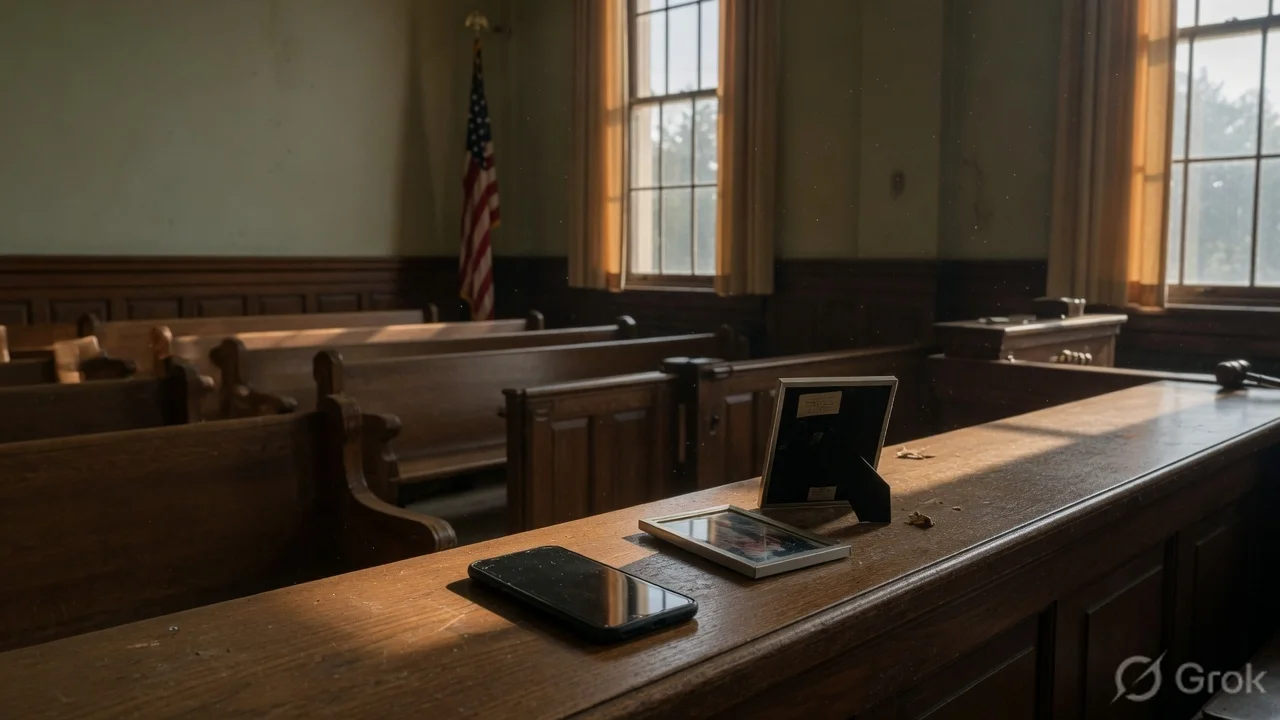
Meta is facing a significant legal battle as a landmark trial begins in the United States. Four lead states - California, Colorado, Kentucky and New Jersey - have filed a lawsuit accusing the tech giant of deliberately designing Facebook and Instagram to hook young users. The states claim these platforms are contributing to rising rates of anxiety, depression, and even suicide among teenagers and young adults.
The allegations center on Meta's use of algorithms and design features that allegedly exploit psychological vulnerabilities in young users. According to the lawsuit, Meta knew about these harmful effects but continued to implement features designed to maximize engagement among children and teenagers. The case represents one of the most significant legal challenges to social media companies to date.
Details
The trial focuses on whether Meta intentionally created addictive features targeting minors. The states argue that Meta's internal research showed awareness of the negative mental health impacts on young users, yet the company proceeded with designs that encouraged excessive use. Key aspects of the case include:
- Meta's use of infinite scroll and auto-play features
- Personalized content recommendations that keep users engaged
- Notifications designed to trigger dopamine responses
- Data collection practices targeting younger demographics
Meta has strongly rejected these allegations, stating that their platforms are designed to be safe and beneficial for users of all ages. The company argues that social media can have positive effects when used responsibly and that the lawsuit misrepresents their intentions and platform design principles.
India impact
This US trial carries significant implications for India, where millions of young users access Meta's platforms daily. Indian regulators and policymakers are closely watching the proceedings, as the outcome could influence how India approaches social media regulation. The case may prompt Indian authorities to strengthen existing guidelines for social media platforms operating in the country.
With platforms like Instagram and Facebook being extremely popular among Indian youth, the trial raises important questions about digital safety and platform responsibility in the Indian context. Indian parents, educators, and policymakers may use this case as leverage to advocate for stronger protections for young social media users. The ongoing debate around digital well-being in India, including discussions about screen time limits and online safety for children, could gain momentum from this legal development.
Use cases
The trial highlights broader concerns about social media's impact on adolescent development and mental health. For Indian families, this case underscores the importance of digital literacy and mindful social media usage. Key considerations include:
- Setting time limits for social media use among children
- Monitoring the content young users consume
- Encouraging offline activities and face-to-face interactions
- Educating children about online safety and privacy
The case also raises questions about platform design ethics and the responsibility of tech companies to protect vulnerable users, particularly children and teenagers. In India, where digital adoption is rapidly increasing among younger demographics, these concerns take on added significance.
Honest take
This trial represents a critical moment in the ongoing debate about technology's impact on youth. While Meta's defense maintains their platforms are safe, the allegations raise valid concerns about design ethics and user protection. The case highlights the need for greater transparency in how social media platforms operate and the importance of prioritizing user well-being over engagement metrics.
For Indian users, this case serves as a reminder to approach social media mindfully and to advocate for stronger protections for young users. The outcome of this trial could have far-reaching implications for how social media companies design their platforms and how regulators worldwide approach digital safety. As India continues to digitalize, balancing technological advancement with user protection becomes increasingly crucial.
FAQs
Q: What specific allegations is Meta facing in this trial?
A: Meta is accused of designing Facebook and Instagram to addict children, contributing to mental health issues including anxiety, depression, and suicide.
Q: How might this affect users in India?
A: The trial could influence Indian regulations on social media platforms, potentially leading to stricter rules for platforms targeting young users and greater emphasis on digital safety.
Q: What is Meta's defense against these allegations?
A: Meta denies all allegations, maintaining their platforms are safe and beneficial for users when used responsibly.
Q: Why are four US states involved in this case?
A: These states filed the lawsuit collectively, representing a significant legal challenge against Meta's practices and seeking to hold the company accountable for alleged harmful design choices.
Q: What could be the broader impact of this trial?
A: The outcome could set precedents for social media regulation globally, potentially affecting how platforms design features for younger users and their approach to user safety.





Comments (0)
Be the first to comment!