


Key Takeaways
- New disclosure parameters under updated e-commerce rules will raise compliance load mainly for small and unorganised sellers in India.
- Larger entities with legal and ops teams are better placed to meet the fresh transparency requirements.
- Platforms hosting lakhs of MSME sellers - Flipkart, Amazon India, Meesho - face knock-on effects if sellers drop off.
- Consumer protection gains from clearer seller and product data, yet onboarding friction for first-time sellers rises.
- UPI-linked micro sellers and home-based businesses risk higher costs without ready digital tools or CA support.
What's the news
India's e-commerce rulebook just got another layer of disclosure requirements, and industry watchers are already flagging who will feel the heat first. The fresh parameters demand more detailed information from sellers - think clearer product origins, inventory trails, return handling and seller identity markers. On paper this looks like a win for buyers who want fewer fake listings and better accountability. In practice the same rules land differently depending on the size of the seller.
Small and unorganised players who sell from home, a tiny workshop or a single kirana-style setup simply do not have compliance desks. Larger brands and marketplace-favoured sellers already run those desks. The result, according to the broad industry reading of the changes, is a compliance load that hits the bottom of the pyramid hardest while the top stays relatively comfortable.
This is not a brand-new law from scratch. It builds on the existing Consumer Protection (E-commerce) Rules framework and related DPIIT guidelines that have been tightening over the past few years. What feels fresh in September 2026 is the sharper focus on disclosure depth and the expectation that platforms will police it more tightly. Sellers who cannot produce the required data risk listing pauses, account flags or outright removal.
Details
The core shift is around disclosure parameters. Sellers must now surface more structured information about who they are, where goods come from, how returns and warranties work, and how quickly they can respond to buyer queries. Platforms are expected to verify and display this data in a consistent way. For a big apparel brand that already files GST returns, maintains warehouses and employs a compliance officer, this is mostly a software update and a few extra fields. For a home-based seller in Coimbatore listing kurtis on Meesho or a Tirupur trader moving surplus stock on Flipkart, it is a different story.
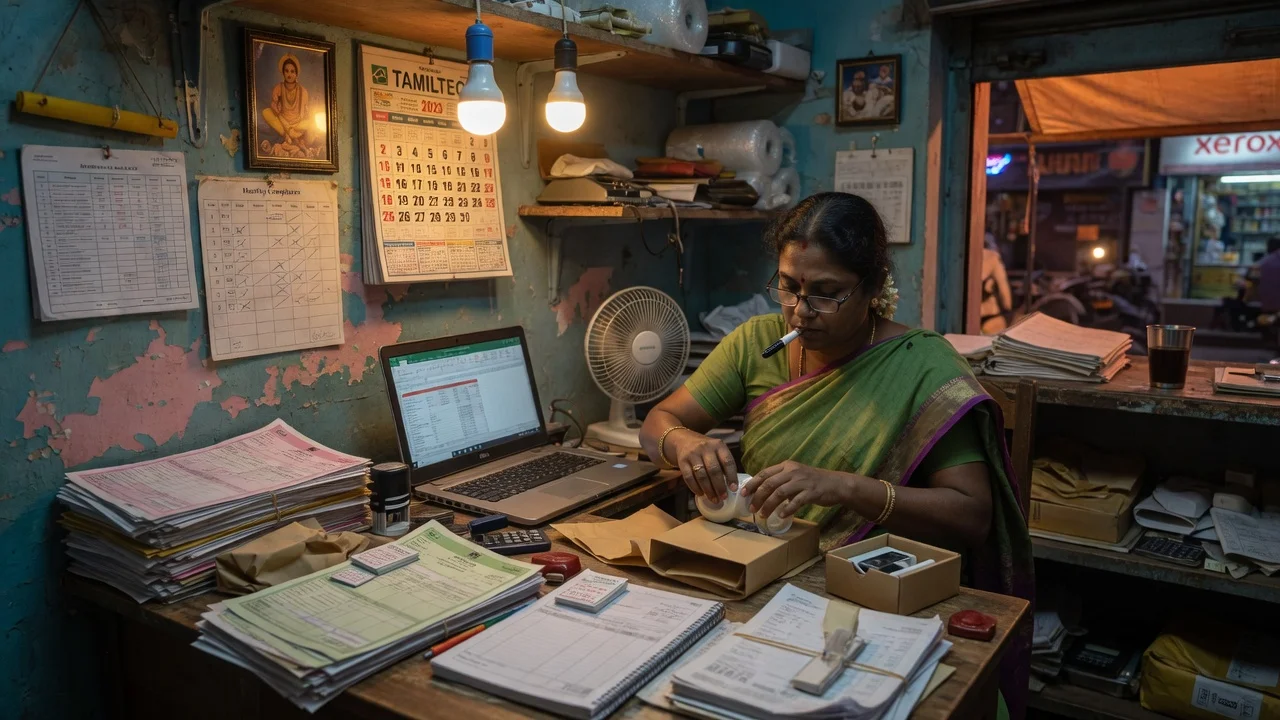
Many of these sellers still operate with basic smartphones, WhatsApp order books and UPI settlements. Asking them to generate formal disclosure packs, keep digital trails of every SKU and respond to platform audits within tight windows creates real friction. Some will need to hire part-time accountants or buy software they never budgeted for. Others will simply list fewer products or move back to offline channels where the paperwork feels lighter.
Platforms themselves sit in the middle. They must build or upgrade seller dashboards so the new fields are easy to fill, then run checks that do not look like harassment. Flipkart and Amazon India already have mature seller centres; Meesho and other social-commerce style apps that onboard first-time sellers at scale face a steeper climb. If the verification process becomes too heavy, the daily addition of new sellers that has powered India's e-commerce growth could slow.
None of this is theoretical. Every previous tightening - from country-of-origin labels to fake-review crackdowns - produced the same pattern: organised sellers adapted faster, unorganised ones complained about cost and complexity, and a slice of them quietly exited. The latest disclosure push looks set to repeat that cycle unless platforms and policymakers offer ready templates, vernacular help and grace periods.
India impact
India's online retail story is built on small sellers. Lakhs of MSMEs, women-led home businesses and regional traders use Flipkart, Amazon, Meesho, JioMart and similar apps to reach customers beyond their city. UPI made payments dead simple. Cheap data from Jio and Airtel made listing possible from a ₹8,000 phone. The next bottleneck is compliance.
If disclosure rules raise the cost of staying live, two things happen. First, the seller base concentrates toward those who can afford help - larger traders, brand aggregators and platform-preferred partners. Second, buyers in smaller towns may see fewer hyper-local or niche products because the makers of those products cannot clear the paperwork. That undercuts the "everyone can sell" promise that made Indian e-commerce different from more consolidated markets.
There is also a GST and tax angle. Better disclosure helps the government track turnover and collect dues more cleanly. That is fair. But when the same disclosure forces a seller who clears ₹40,000 a month to spend ₹3,000-5,000 on professional help just to stay compliant, the math turns ugly. Many will choose to stay under the radar or quit online selling altogether.
State-level variations add another layer. A seller in Tamil Nadu dealing with both central rules and local labour or packaging norms faces more forms than one in a simpler regime. Without a single, simple digital compliance kit that works in Hindi, Tamil, Telugu and other languages, the load stays uneven.
Use cases
Picture a woman in Madurai who stitches cotton nightwear and sells 80-100 pieces a month through Meesho. She photographs products on her phone, ships via local courier and gets paid on UPI. Under the new parameters she may need to declare fabric source, care instructions in a structured format, return address verification and response-time commitments. If the platform flags incomplete fields, her listings go dark until she fixes them. She has no CA on retainer. She either learns the dashboard herself, pays someone, or stops listing.
Contrast that with a mid-size seller who already runs three warehouses and sells across Flipkart, Amazon and their own D2C site. Their team updates the new fields in a morning, runs an internal audit, and moves on. The same rule that feels like a mountain to the Madurai seller is a molehill to them.
Another case: a small electronics accessories trader in Delhi's Lajpat Rai Market who lists chargers and cables. Fresh disclosure around product safety certificates and seller identity can trigger extra document uploads. If those documents are not digitised, the seller spends days running between offices instead of packing orders. Larger authorised distributors already hold the certificates in cloud folders.
Platforms can soften this. One-click templates, WhatsApp-based help in regional languages, and temporary "compliance lite" modes for sellers under a certain GMV would keep more people in the game. Without those bridges, the use case that suffers most is the first-time or micro seller who was just starting to trust online channels.
Honest take
Consumer protection is not the villain here. Buyers deserve to know who is selling them a product and how returns actually work. Fake listings and ghost sellers have burned too many people. Clearer disclosure is the right direction.
The problem is the uneven playing field. Rules written for organised retail get dropped onto a market that is still mostly unorganised at the edges. When that happens, the big get bigger and the small get quieter. India's e-commerce edge has always been the long tail of sellers. If compliance costs start pruning that tail, we lose variety, we lose regional products, and we lose the livelihood story that politicians love to quote.
Regulators and platforms need to treat small-seller enablement as seriously as they treat disclosure. Free vernacular compliance kits, longer grace windows, and GMV-based thresholds would keep the spirit of the rules without killing the sellers who need the platforms most. Until that balance appears, every new parameter will feel less like protection and more like a quiet filter that favours whoever already has a legal team.
Watch how Flipkart, Amazon India and Meesho actually roll out seller tools in the next few months. The quality of those tools will decide whether this update is a net positive or just another compliance tax on the little guy.



Comments (0)
Be the first to comment!