Key Takeaways#
- NHRC has sought a report from Delhi government regarding alleged overcharging by cab aggregators
- The issue centers around surge pricing during peak hours and potential fare manipulation
- Daily commuters face inflated fares, raising concerns about consumer rights in the gig economy
- Similar pricing issues have been reported in other major Indian cities
- The case highlights the need for stronger regulatory oversight in ride-sharing services
What's the News#
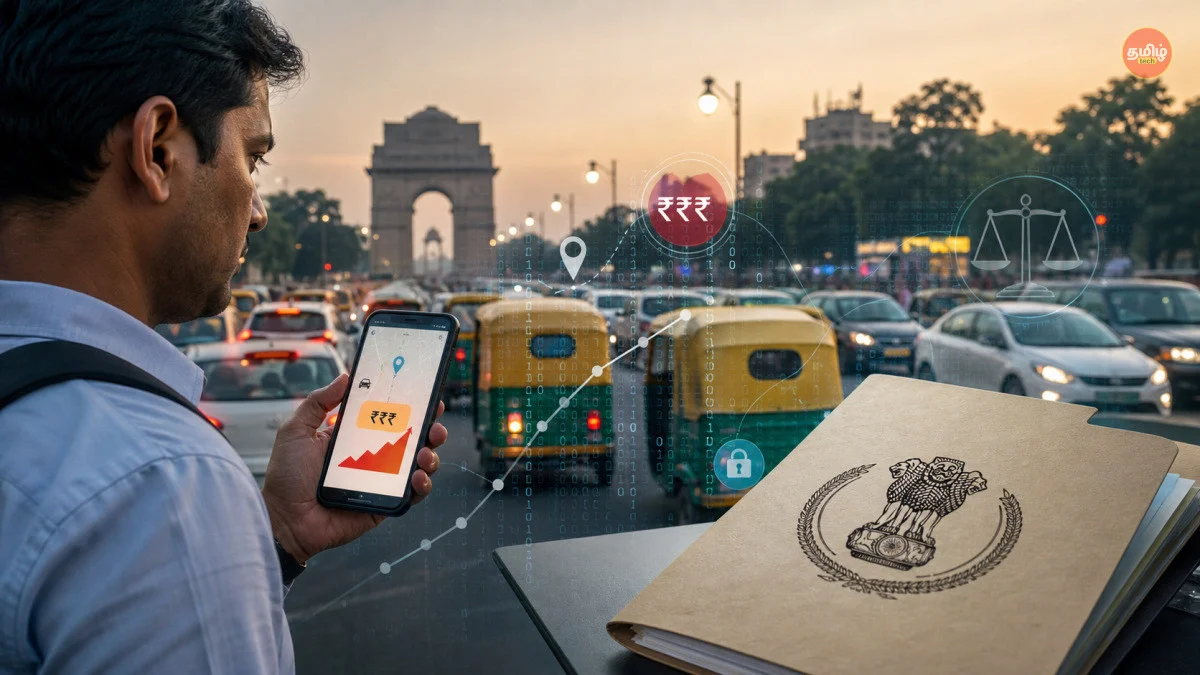
The National Human Rights Commission (NHRC) has taken a significant step by seeking a detailed report from the Delhi government regarding allegations of overcharging by cab aggregators. The move comes after multiple complaints from commuters who claim that ride-sharing services are exploiting passengers with exorbitant fares, particularly during peak hours and adverse weather conditions. The NHRC's intervention marks a crucial development in the ongoing debate about consumer protection in India's burgeoning gig economy sector.
Details#
According to the topic, the NHRC's investigation focuses on several key aspects of the alleged overcharging practices. The commission is particularly concerned about the lack of transparency in fare calculation
algorithms used by major cab aggregators operating in Delhi-NCR. Passengers have reported instances where surge pricing was activated without clear justification, leading to fares that were several times higher than normal rates. The commission has asked the Delhi government to provide specific data on complaints received, action taken against offending aggregators, and measures implemented to protect consumer interests. The investigation also covers the adequacy of existing regulatory frameworks and whether they need strengthening to address modern challenges posed by digital platforms.
India Impact#
This development has significant implications for India's digital economy and consumer protection landscape. With over 20 million users across major cities, cab aggregators have become an integral part of urban transportation. The NHRC's intervention could lead to stricter regulations and more transparent pricing mechanisms. For Indian consumers, this means potentially fairer fares and better protection against exploitation. The case also sets a precedent for how human rights bodies might address economic rights violations in the digital age. It highlights the growing recognition that access to affordable transportation is not just a convenience but a fundamental right that affects people's ability to work, study, and participate in society.
Use Cases#
The NHRC's action addresses several critical use cases in India's urban transportation ecosystem. Daily commuters who rely on cab services to reach workplaces face financial strain due to unpredictable surge pricing. Students traveling to educational institutions are particularly vulnerable during peak hours. Emergency situations where people need immediate transportation often result in exploitation through inflated fares. The elderly and differently-abled individuals who depend on accessible transportation options find themselves at the mercy of algorithmic pricing. Additionally, tourists and visitors to Delhi-NCR frequently encounter confusing fare structures that don't match their expectations based on local transportation norms.
Honest Take#
While the NHRC's intervention is welcomed, it's important to recognize the complex dynamics at play. Cab aggregators argue that surge pricing is necessary to manage supply and demand in real-time, ensuring availability during peak periods. They also point to the significant investments in
technology, driver incentives, and safety features that enable their services. However, the current system clearly needs better balance between
business sustainability and consumer protection. The NHRC's approach of seeking a report rather than immediate punitive action shows measured consideration, but swift follow-up is essential. What's needed is a comprehensive framework that protects consumers while allowing innovation to continue. This case could be a turning point in how India regulates its digital economy, potentially leading to more consumer-friendly policies across the board. The key will be ensuring that technology serves people, not the other way around.








Comments (0)
Be the first to comment!