


Key Takeaways
- PM Modi urged BRICS nations to support scaling 100 Indian startups each year.
- The New Delhi Declaration adds credit assessment and invoice discounting for MSME finance.
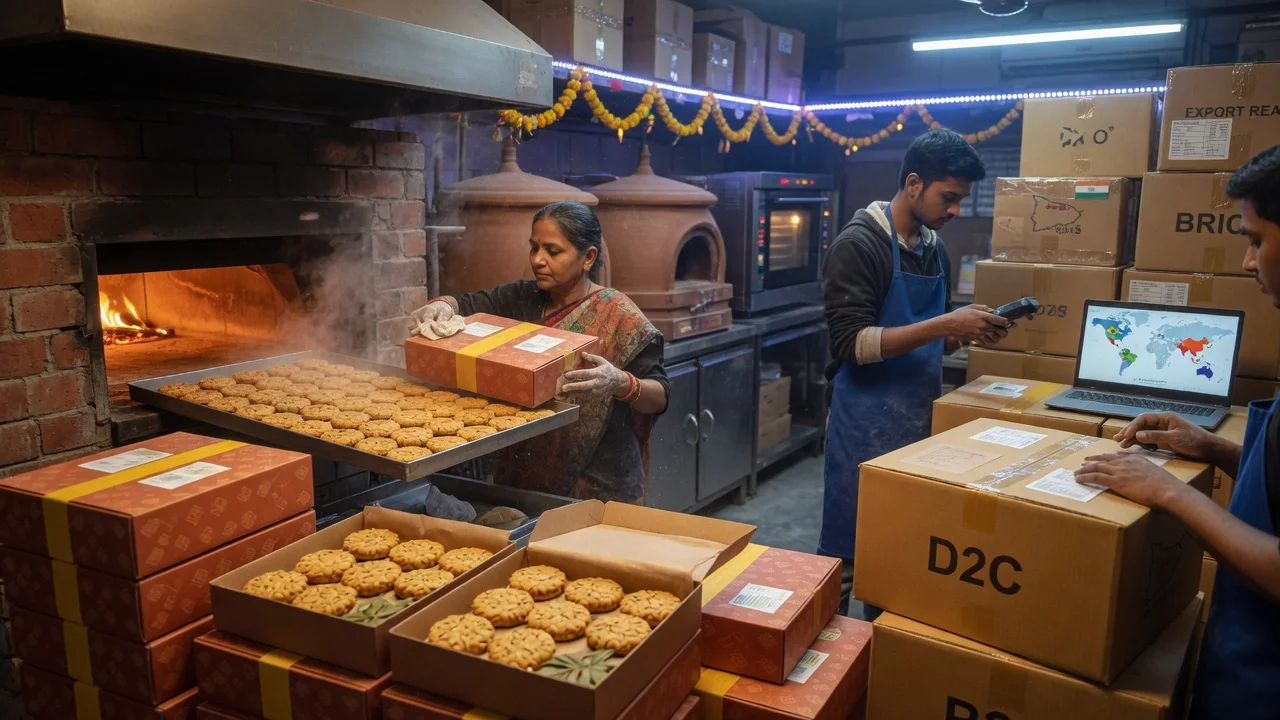
- Shuddh Swad grew a traditional Bihari thekua snack into a ₹1 crore D2C brand.
- UPI and Jio infrastructure help these ventures reach pan‑India customers.
- MSMEs could see easier working capital via the proposed invoice discounting mechanism.
What's the news
At the recent BRICS summit held in New Delhi, Prime Minister Narendra Modi asked member countries to create a dedicated pipeline that helps at least one hundred Indian startups scale each year. He said the initiative would focus on mentorship, cross‑border pilot projects and preferential access to funding pools managed by the bloc’s development banks. The call was made alongside the adoption of the New Delhi Declaration, which outlines concrete steps to improve financing for micro, small and medium enterprises.
Details
The declaration proposes two main tools for MSMEs. First, a standardized credit assessment framework that banks can use to evaluate risk more uniformly across borrowers. Second, an invoice discounting mechanism that lets firms unlock cash tied up in unpaid invoices. Both ideas aim to reduce the working‑capital crunch that stalls growth for many small manufacturers and service providers. For startups, the BRICS-backed scaling program would offer mentorship from industry experts, opportunities to run pilot projects with partners in other member countries, and access to seed and growth funds set up by the New Development Bank and the BRICS Innovation Centre.
India impact
If the proposal materialises, Indian startups could see a more predictable flow of growth capital, especially in sectors like agritech, healthtech and clean energy that already have natural synergies with other emerging economies. The invoice discounting tool, once rolled out through public sector banks, could cut the average cash‑conversion cycle for MSMEs from 60‑90 days to under 30 days, freeing up liquidity for hiring and equipment upgrades. This would also help reduce reliance on informal lending channels that often carry high interest rates.
Shuddh Swad’s example shows how heritage products can find a national audience when paired with digital storefronts and trusted payment rails. The venture also creates indirect jobs in sourcing wheat, jaggery and packaging materials from rural Bihar, reinforcing the link between urban demand and rural livelihoods. By keeping the recipe authentic while using modern packaging and a subscription option, the brand has managed to attract repeat customers across metros.
Use cases
1. A Bengaluru‑based drone‑imaging startup uses the BRICS mentorship network to run a pilot project with a South African mining firm, gaining real‑world data and a reference client.
2. A Jaipur handicraft cooperative registers on the new invoice discounting platform, receives 80 % of the value of its pending orders within 48 hours, and uses the cash to buy raw materials for the next season.
3. Shuddh Swad launches a limited‑edition festive pack, promotes it through WhatsApp Business and sees a 25 % spike in orders during Diwali, all settled via UPI.
4. A Pune‑based clean‑energy avtar startup accesses a BRICS‑funded grant to test its solar‑storage solution in Brazil, accelerating product validation and opening a potential export route.
Honest take
The BRICS call is ambitious but not without hurdles. Aligning regulatory standards across five diverse economies takes time, and startups may still face visa and IP‑protection challenges when testing abroad. Still, a structured platform beats ad‑hoc attempts and could become a reliable pipeline if the bloc commits funding and secretariat support. Success will depend on clear governance, regular review meetings and measurable outcomes such as number of startups graduated and jobs created.
Shuddh Swad’s rise proves that a niche regional snack can scale when founders focus on product quality, simple digital sales and reliable logistics. The ₹1 crore mark is a meaningful milestone for a bootstrapped food brand, though sustaining growth will require continual innovation—new flavours, healthier variants or expansion into gifting channels. The founders plan to introduce a millet‑based version and explore corporate gifting bundles for festivals.
Overall, the combination of policy‑level finance tools and grassroots entrepreneurship points to a more inclusive growth story for India, provided implementation keeps pace with ambition. Stakeholders will need to monitor progress through transparent dashboards and adjust mechanisms based on feedback from participating enterprises.
Challenges and mitigation
One challenge is the variation in bankruptcy and creditor rights laws among BRICS members, which can affect the enforceability of invoice discounting agreements. To address this, the declaration suggests creating a model law that member states can adopt, similar to the UNCITRAL framework on secured transactions. Another issue is data privacy; cross‑border sharing of startup metrics for mentorship matching must comply with each country’s regulations. A proposed solution is a consent‑based data exchange platform hosted on neutral servers.
For startups, cultural differences in business practices can affect pilot outcomes. The BRICS innovation centre plans to run short cultural‑orientation workshops before any cross‑border collaboration begins. Funding delays remain a concern; therefore, the bloc proposes a revolving guarantee fund that can bridge gaps while waiting for bank approvals.
Policy recommendations
Policymakers should consider linking the BRICS startup pipeline with existing domestic schemes such as Startup India and the Fund of Funds. Aligning timelines would avoid duplication and allow startups to tap multiple sources of capital. State governments could offer matching grants for MSMEs that successfully use the invoice discounting platform, thereby incentivising early adoption. Finally, regular impact audits conducted by an independent agency would help maintain transparency and build trust among stakeholders.





Comments (0)
Be the first to comment!