


Key Takeaways
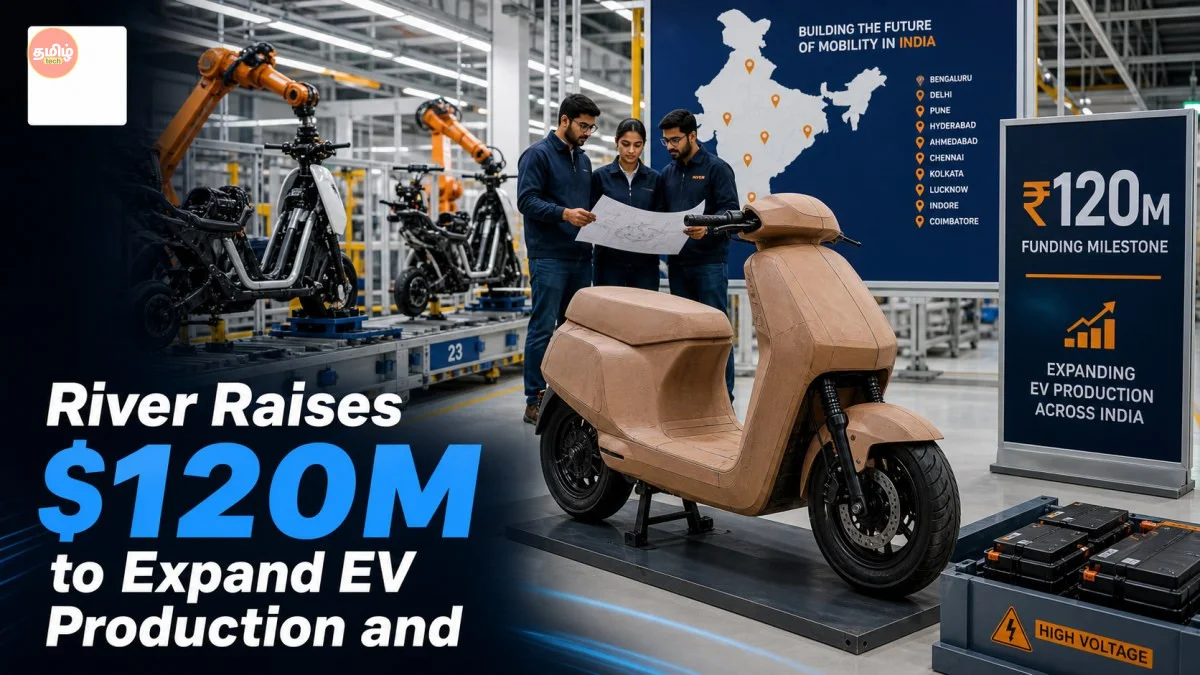
- River has raised $120 million in its Series C funding round to expand manufacturing and R&D capabilities in 2026.
- The funding will be used to scale the production of the 'Indie' electric scooter and launch at least two new models by early 2027.
- River aims to expand its retail footprint from 15 cities to over 100 cities across India within the next 18 months.
- The company is positioning itself as the 'utility king' in the EV space, focusing on storage and durability rather than just top speed.
The Big News: River's $120M Power Move
The Indian electric vehicle market in 2026 is no longer just about early adopters; it is about mainstream utility. Leading this charge is the Bengaluru-based startup River, which has just announced a massive $120 million Series C funding round. This isn't just another funding headline; it's a clear signal that the 'utility' segment of the EV market is where the real growth is happening. While other brands are fighting over who has the fastest 0-40 kmph sprint, River has been quietly building what they call the 'SUV of Scooters.' This fresh capital injection is going to help them move from a niche player to a major volume contender in the Indian two-wheeler space. We've been tracking River since their early days, and seeing them hit this milestone in 2026 shows that Indian consumers are finally valuing practicality over pure specs.
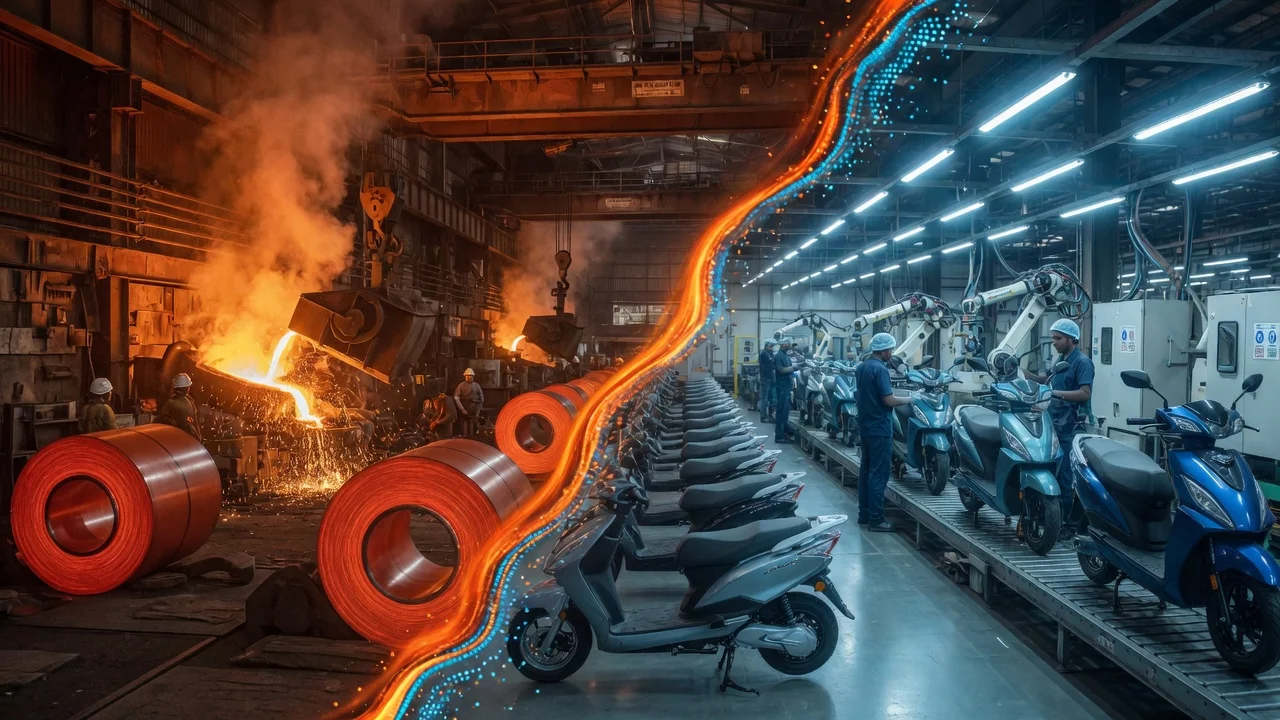
So, where is all this money going? The company has been very clear about its roadmap. A significant portion of this $120 million will go toward expanding their manufacturing facility on the outskirts of Bengaluru. Currently, if you want a River Indie, there is a waiting period in most major cities because demand has far outstripped their initial production capacity. With this funding, they are looking to triple their output by the end of the year. But it’s not just about making more of the same scooter. River is also pouring money into R&D to develop a more affordable variant of the Indie and potentially a high-performance utility bike that can handle even heavier loads. For a startup that started with a blank slate, their progress has been nothing short of remarkable.
Why River is Different: The SUV Philosophy
To understand why investors are lining up with $120 million, you have to look at the River Indie itself. In a sea of scooters that look like they belong in a sci-fi movie, the Indie looks like a rugged tool. It’s got 14-inch wheels—the largest in its class—which makes a world of difference on our pothole-ridden Indian roads. Most scooters struggle with 12-inch wheels, but the Indie glides over bumps like a compact SUV. Then there’s the storage. We are talking about 55 liters of total space, including a massive under-seat compartment and unique front 'pannier' stays. In 2026, as more people use their EVs for everything from grocery runs to small business deliveries, this utility factor is a massive USP that Ola or Ather haven't quite matched yet.
The engineering team at River didn't just add a big box to a scooter; they redesigned the frame to handle the weight. The Indie comes with integrated crash guards—something you usually have to buy as an aftermarket accessory. This 'ready-for-anything' approach is what has garnered them a loyal fan base. They aren't trying to sell you a gadget on wheels; they are selling you a vehicle that happens to be electric. This distinction is crucial in 2026, as the novelty of EVs wears off and the demand for reliability kicks in. The Series C funding proves that the market believes in this 'function over fashion' philosophy. It is a refreshing change from the software-heavy approach we see with some of their competitors.
Scaling Up: From 15 Cities to 100+
One of the biggest complaints we've heard from our readers is, "When is River coming to my city?" Up until now, River has been playing it safe, focusing on a few key hubs like Bengaluru, Hyderabad, and Chennai. However, with $120 million in the bank, the expansion floodgates are opening. The plan is to hit 100+ cities by the end of 2027. This means setting up not just showrooms, but also a robust service network. In the EV world, service is the make-or-break factor. You can have the best scooter in the world, but if there's no one to fix a sensor issue or a battery glitch in your town, you won't buy it. River knows this, and a large chunk of the Series C will be used to train technicians and set up 'River Houses'—their version of experience centers.
This expansion is also about the charging infrastructure. While River scooters are compatible with most public fast chargers, they are also working on their own ecosystem of 'Utility Plugs' at key locations. As we move through 2026, the density of charging points in Tier-2 and Tier-3 cities is becoming the next big battlefield. By securing this funding now, River is positioning itself to be ready exactly when the infrastructure in smaller towns matures. They aren't just selling a scooter; they are building a presence that makes an average buyer in a city like Coimbatore or Lucknow feel confident about switching from petrol to electric.
The Competition: River vs. The Giants
Let's talk about the elephant in the room—competition. In 2026, Ola Electric is still the volume leader, and Ather has the premium 'tech-enthusiast' market cornered. Then you have the legacy players like TVS and Bajaj who have finally ramped up their iQube and Chetak lineups. So, where does River fit? We think River has found a 'blue ocean' in the utility segment. While Ola is focusing on AI features and voice assistants, River is focusing on how many bags of rice you can carry. While Ather is focusing on lean angles and lap times, River is focusing on how comfortably you can ride with a pillion passenger and two backpacks. It’s a very different vibe, and honestly, it’s one that resonates more with the average Indian family.
However, it won't be easy. The legacy players have massive distribution networks that River will take years to build. But the advantage River has is its 'clean sheet' design. They don't have the baggage of old petrol platforms. Every bolt on the Indie was designed for an EV. This allows for better weight distribution and more efficient use of space. With the new funding, River can now afford to play the long game. They don't need to turn a profit tomorrow; they can focus on perfecting their next two models, which we hear will include a 'Lite' version of the Indie priced under ₹1.2 lakh and a heavy-duty delivery version for the booming gig economy.
TamilTech's Take: Should You Wait for a River?
Here’s what we think at TamilTech. If you are someone who uses their scooter as a workhorse—carrying kids to school, doing heavy grocery runs, or even using it for a small business—River is currently the best option on the market. The $120 million funding ensures that the company isn't going anywhere; they have the runway to support their customers for years to come. The build quality of the Indie is genuinely impressive, and the 14-inch wheels are a game-changer for Indian road conditions. We've seen too many EV startups vanish after their first round of funding, but River's Series C puts them in the 'safe' zone.
What should you expect next? Expect more colors, more accessories, and definitely more showrooms. If you are in a city where River isn't present yet, our advice is to wait a few more months. By the end of 2026, their footprint will be much larger. The Indian EV story is moving from 'speed and tech' to 'durability and utility,' and River is leading that transition. It’s an exciting time to be an EV buyer in India, and with more competition, the only real winner is the consumer. Keep an eye on this space, because the next 12 months are going to be wild for the Indian two-wheeler industry.

Comments (0)
Be the first to comment!