Key Takeaways#
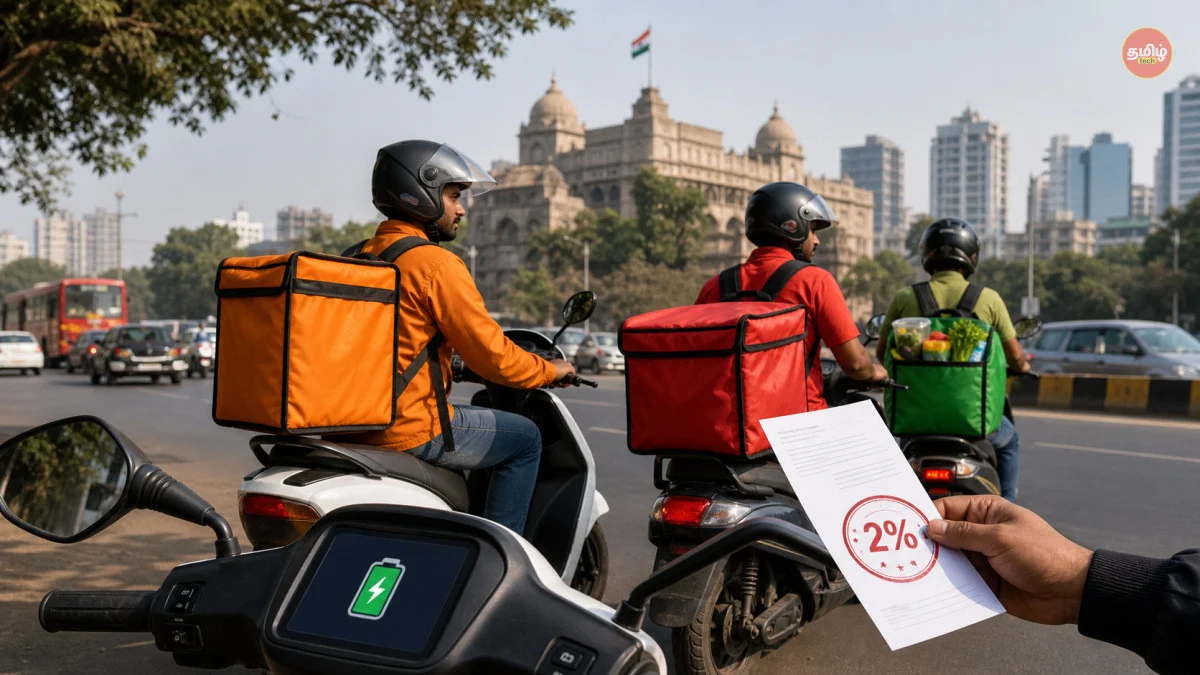
- Maharashtra is exploring an EV mandate for quick-commerce delivery partners, targeting platforms like Swiggy, Zomato, and Zepto.
- A proposed 2% welfare levy on gross order value could increase delivery costs for consumers and platforms.
- The move aligns with India's broader push for sustainability and formalizing the gig economy, but faces implementation hurdles.
What's the News#
The Maharashtra
government is reportedly drafting new regulations for the quick-commerce sector, which could fundamentally alter how companies like Swiggy, Zomato, and Zepto operate in the state. The proposed rules include two major components: a mandatory switch to electric vehicles (EVs) for a portion of their delivery fleet and a 2% levy on the gross order value. These funds would be directed towards a welfare board for gig workers, a move aimed at providing social
security benefits to the large, often-unorganized workforce that powers these platforms. This development signals a shift from a hands-off approach to a more regulated environment for the burgeoning quick-commerce industry.
Details of the Proposal#
The proposed regulations are expected to be stringent. Under the EV mandate, platforms would be required to ensure that a certain percentage of their total deliveries are completed using electric vehicles within a specified timeframe. This is likely to be phased in to give companies time to adapt their logistics and invest in EV fleets or charging infrastructure. The 2% welfare levy is another significant change. It would be levied on the total value of all orders placed through the platforms, not just on the commissions. This means the cost could be passed on to the end consumer, potentially increasing the final price of a meal or grocery delivery. The funds collected are intended to create a robust welfare board to provide benefits like accident insurance, health coverage, and retirement savings for delivery partners.
India Impact#
This move by Maharashtra could set a precedent for other states in India. As the country grapples with urban
pollution and the need for sustainable logistics, such policies are gaining traction. The gig economy, which employs millions across India, has long been criticized for its lack of social
security. A welfare levy, if implemented effectively, could be a game-changer for the livelihoods of delivery partners. However, it also raises questions about the financial viability of quick-commerce platforms, which operate on razor-thin margins and intense competition. The cost of transitioning to EVs and the additional levy could squeeze these companies, potentially leading to higher prices for consumers or even market consolidation. For a country where UPI-based transactions are the norm, the economic impact on both platforms and consumers will be closely watched.
Use Cases and Challenges#
For Swiggy, Zomato, and Zepto, the immediate challenge is logistical and financial. They would need to invest heavily in EV fleets, partner with EV manufacturers, and set up charging stations. The 2% levy adds another layer of complexity to their pricing models. In terms of use cases, a successful implementation could lead to a greener, more sustainable delivery ecosystem. It could also improve the social standing of gig workers, giving them access to benefits that were previously unavailable. However, the challenges are significant. The initial investment for EVs is high, and the lack of adequate charging infrastructure in many Indian cities could hinder operations. There's also the risk of platforms passing on the entire cost to consumers, which might reduce demand, especially in a price-sensitive market. The success of this
policy will depend on how it's rolled out and whether the government provides sufficient support to both the platforms and the gig workers.
Honest Take#
This is a bold move by the Maharashtra government, and it's a double-edged sword. On one hand, it's a step in the right direction for environmental sustainability and social welfare. The quick-commerce boom has been built on a workforce that has been left behind, and a welfare levy is a necessary intervention. On the other hand, it could stifle innovation and competition in an already hyper-competitive market. The mandate for EVs, while noble in intent, might be too ambitious without parallel investments in infrastructure. It's a classic case of good intentions clashing with ground realities. If the government can provide a phased implementation plan and support for the transition, this could be a positive development. If it's done abruptly, it could harm the very people it's meant to help, by potentially reducing the number of delivery opportunities available. It's a high-stakes gamble, and the outcome will be a litmus test for how India balances its economic ambitions with its social and environmental responsibilities.




Comments (0)
Be the first to comment!