


Key Takeaways
- Centre approves Rs 3,000 crore electronics manufacturing cluster in Rajnandgaon, Chhattisgarh
- Expected to create over 10,000 direct and indirect jobs in the region
- Part of India's strategic push to reduce electronics import dependency
- Will focus on mobile components, PCBs, and consumer electronics assembly
- Aligns with Make in India and Digital India initiatives
What's the News
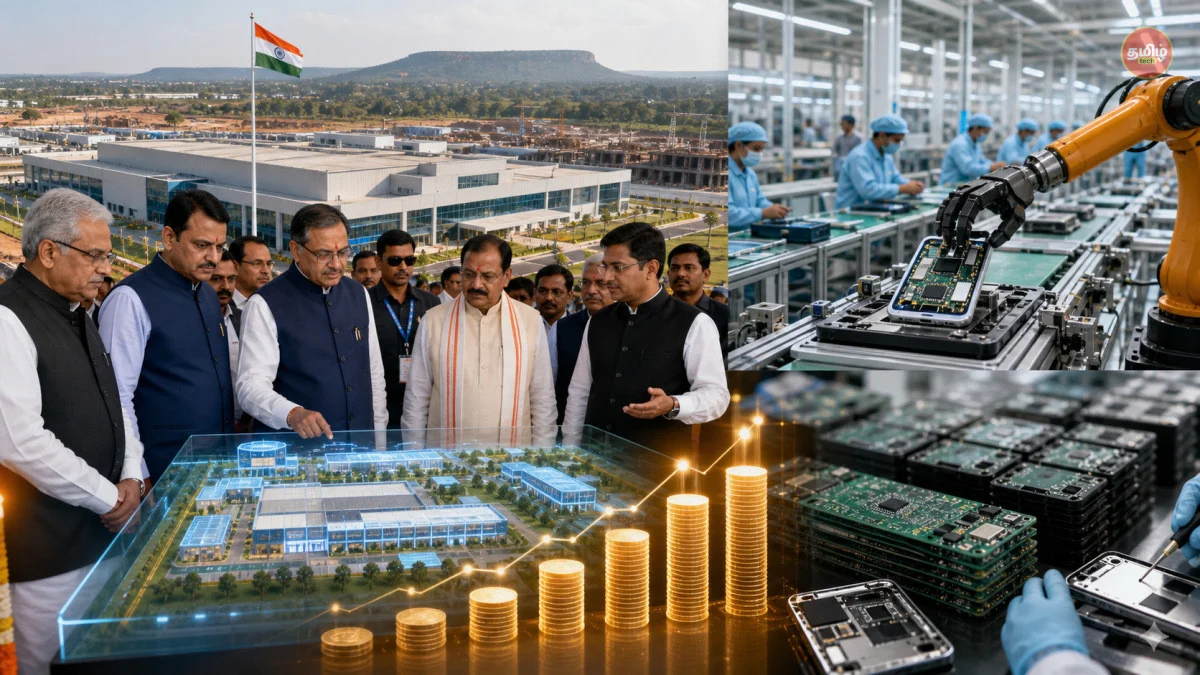
The Centre has given the green light for a massive electronics manufacturing cluster in Rajnandgaon, Chhattisgarh, with an expected investment of Rs 3,000 crore. This move represents a significant step in India's ambitious plan to boost domestic electronics manufacturing and reduce the country's heavy reliance on imports, particularly from China.
Details
The electronics cluster will span across multiple phases, with the initial phase focusing on setting up manufacturing units for mobile components, printed circuit boards (PCBs), and consumer electronics assembly. The project is expected to be operational within 24-30 months, with major global and domestic electronics players showing interest in setting up their units there. The state government has already allocated 500 acres of land for the project, with plans for additional expansion based on initial success.
India Impact
This development could be a game-changer for India's electronics ecosystem. Currently, India imports over $80 billion worth of electronics annually, with China dominating the market. The Rajnandgaon cluster alone could potentially reduce this import bill by 10-15% within five years. The project also aligns perfectly with the Production Linked Incentive (PLI) scheme, which has already helped India become a global hub for mobile phone manufacturing.
Use Cases
The electronics manufacturing cluster will cater to multiple sectors including:
- Mobile phone manufacturers and component suppliers
- Consumer electronics companies (TVs, audio devices, wearables)
- Industrial electronics and IoT device makers
- Defense electronics and strategic sector suppliers
- Electronic waste recycling and refurbishment units
Honest Take
While this development is undoubtedly positive for India's manufacturing ambitions, the real challenge lies in execution. Past mega projects have often faced delays due to infrastructure bottlenecks, skill gaps, and policy inconsistencies. However, with the current government's strong push for domestic manufacturing and the growing global interest in diversifying away from China, the Rajnandgaon cluster has a fighting chance. If successful, it could serve as a template for similar initiatives across other states, potentially creating a network of electronics manufacturing hubs that could finally make India self-reliant in this critical sector.





Comments (0)
Be the first to comment!