


Key Takeaways
- Massive Data Update: UIDAI updated biometrics for an estimated 2 crore students using data from the UDISE+ school education database.
- Authentication Fix: The update addresses issues where outdated biometric records could cause authentication failures, potentially disrupting exam registrations.
- Consent Concerns: The process reportedly did not involve explicit consent from the children or their guardians, raising legal and ethical questions.
- Data Source Linkage: The move highlights the increasing linkage between educational data and national identity systems.
- Legal Framework: Under the Digital Personal Data Protection (DPDP) Act, 2023, processing data of minors requires verifiable parental consent, which appears to be missing here.
What's the News?
The Unique Identification Authority of India (UIDAI) has recently undertaken a significant operation to update the biometric data of approximately 2 crore children. The information for this update was sourced directly from the Unified District Information System for Education Plus (UDISE+), a comprehensive database managed by the Ministry of Education. This initiative was officially communicated through a press release, which highlighted the primary objective: to resolve authentication failures that students were experiencing.
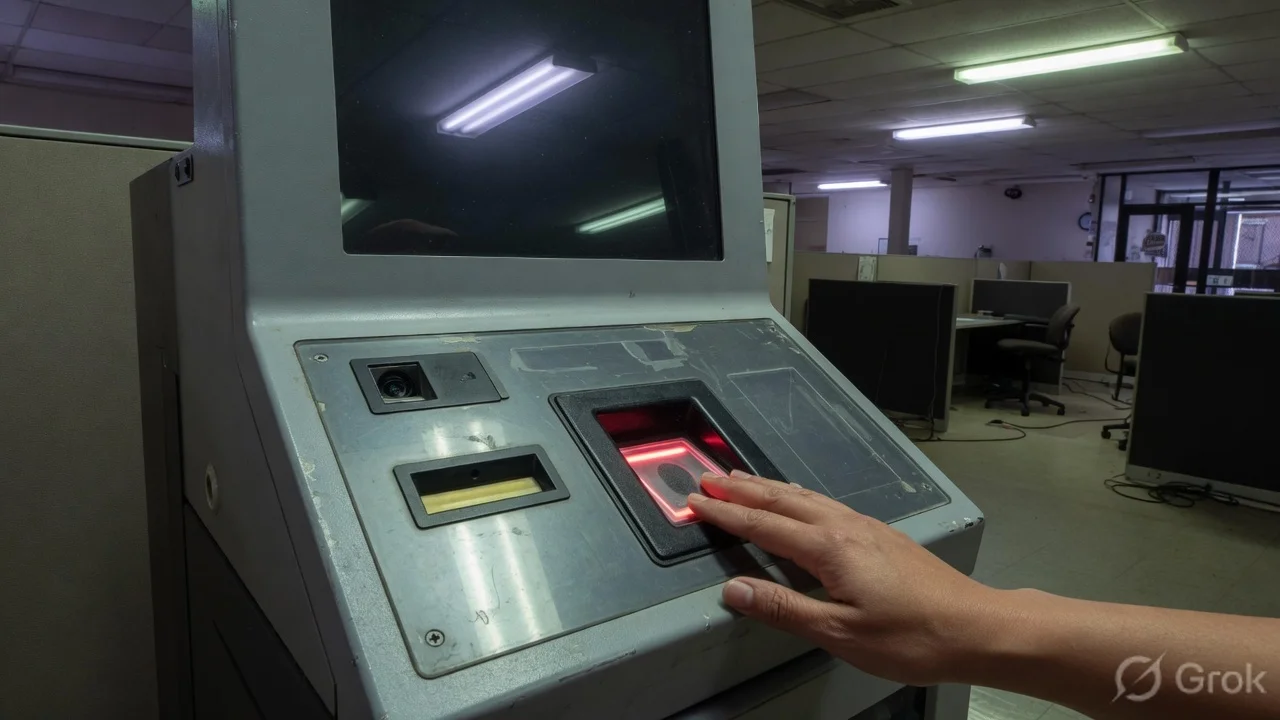
The core issue addressed by this update is the aging of biometric data. As children grow, their fingerprints and iris patterns change, which can lead to failed authentication attempts when they try to use their Aadhaar number for services like exam registration. The press release specifically mentioned that outdated records could cause problems during exam registration, a critical function for students across India.
Details of the Update
The UDISE+ database contains a wealth of information about students, including their names, ages, genders, and school details. UIDAI utilized this existing data to trigger a biometric update process. The press release stated that the updated biometric data, particularly fingerprints and iris scans, are now more accurate and aligned with the current physical characteristics of the students.
This is expected to streamline the authentication process for students when they use their Aadhaar for various services. For instance, when registering for board exams like the CBSE Class 10 and 12, or competitive entrance exams, a successful biometric match is often mandatory. Previously, many students faced hurdles or were unable to complete their registration due to mismatches with their old biometric data.
The process involves schools or educational institutions facilitating the biometric update, likely by coordinating with local Aadhaar enrolment centres. Students would need to visit these centres to have their biometrics re-captured using the latest technology.
India Impact: A Double-Edged Sword
The impact of this update on India's education system is multifaceted. On the positive side, it promises to remove a significant technical barrier for millions of students. By ensuring that their Aadhaar biometrics are up-to-date, the government is facilitating smoother access to critical services. This is particularly important in a country where Aadhaar has become a foundational identity document for accessing government schemes, scholarships, and educational benefits.
The convenience factor is substantial. Students will no longer have to worry about their fingerprints failing to match, which could potentially delay or prevent them from registering for important examinations. This could have a positive ripple effect on their academic timelines and future opportunities.
However, the method of data sourcing and the apparent lack of a robust consent mechanism present a major challenge. The UDISE+ database is an educational repository, and its data was not originally collected for the purpose of updating Aadhaar biometrics. This raises questions about data proportionality and purpose limitation, core principles of data protection. The linkage of a student's educational record with their national biometric identity without explicit, informed consent is a concerning precedent.
Use Cases and Future Implications
The successful integration of UDISE+ data with Aadhaar biometrics opens up several use cases. Beyond exam registration, this could simplify the process for students applying for scholarships, where Aadhaar-based authentication is often required. It could also streamline access to digital learning platforms and other educational services that use Aadhaar for identity verification.
Looking ahead, this model could be replicated for other government databases. For example, data from the Mid-Day Meal Scheme or other educational welfare programs could be linked to Aadhaar to automate benefit delivery. While this could increase efficiency, it also amplifies the need for a strong, transparent, and consent-driven data governance framework.
The long-term implication is the creation of a more integrated digital ecosystem where a citizen's journey from school to higher education and into the workforce is underpinned by a single, verifiable digital identity. While this vision is compelling, it must be built on a foundation of trust, which is currently being tested by the lack of clarity on the consent process.
Honest Take: Efficiency vs. Ethics
On the surface, this initiative by UIDAI is a pragmatic solution to a real-world problem. The technical glitches caused by outdated biometrics were a genuine pain point for students and administrators alike. The move to proactively update this data using a readily available source like UDISE+ is an efficient, top-down approach to problem-solving.
However, the efficiency comes at a cost. The ethical and legal implications of processing the data of millions of minors without their explicit or even their guardians' informed consent cannot be ignored. The Digital Personal Data Protection (DPDP) Act, 2023, is clear on this: processing the personal data of a child requires verifiable parental consent. The absence of a transparent process to obtain this consent is a significant oversight.
This situation underscores a broader tension in India's digital governance journey: the push for seamless, integrated services often outpaces the development of robust privacy and consent frameworks. While the intention to help students is commendable, the execution appears to have prioritized technical expediency over fundamental rights and ethical data practices. A more responsible approach would have involved a clear communication campaign targeting schools and parents, explaining the process and seeking explicit consent before proceeding with the biometric update.
FAQs
Q1: Why was the biometric update necessary for students?
A1: As children grow, their fingerprints and iris patterns change. This can cause their old biometric data to fail authentication checks, leading to problems when they try to use their Aadhaar for services like registering for exams.
Q2: What is the UDISE+ database?
A2: The Unified District Information System for Education Plus (UDISE+) is a comprehensive database maintained by the Ministry of Education. It contains detailed information about every school and student in the country, including enrollment data and demographic details.
Q3: Is it legal to update a child's biometric data without consent?
A3: Under the Digital Personal Data Protection (DPDP) Act, 2023, processing the personal data of a minor requires verifiable parental consent. Therefore, updating biometric data without explicit consent from parents or guardians is likely a violation of this law.
Q4: How will this update help students?
A4: This update will ensure that students' biometric data is current and accurate. This will prevent authentication failures when they use their Aadhaar for exam registrations, applying for scholarships, or accessing other government services, making the process smoother and more reliable.
Q5: What are the main concerns about this initiative?
A5: The primary concerns are the lack of a transparent and explicit consent process from parents or guardians, the potential violation of data protection laws like the DPDP Act, and the ethical implications of linking educational data with a national biometric identity without clear communication.





Comments (0)
Be the first to comment!