


What Happened?
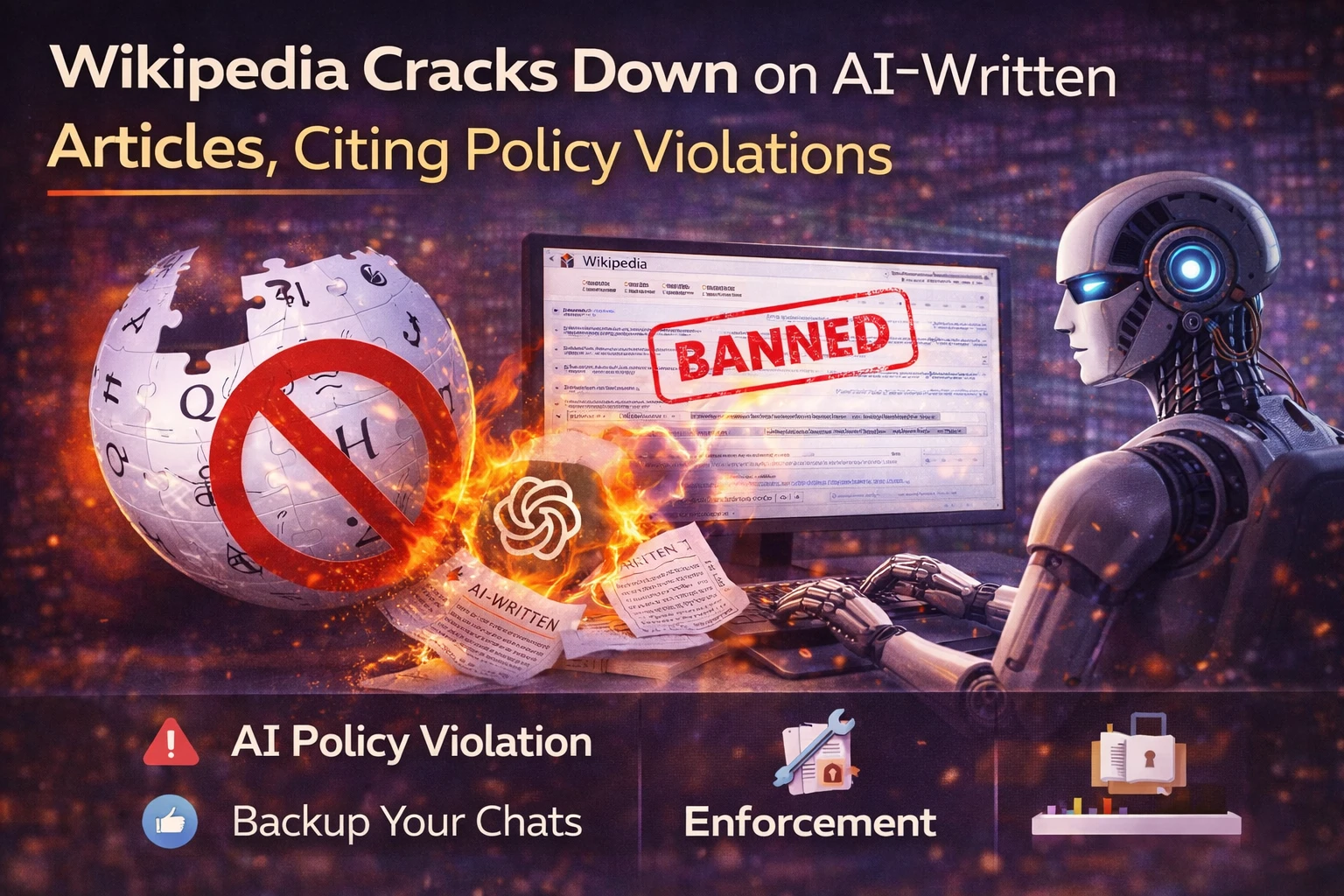
Wikipedia announced a hard stop on any new content that is generated by artificial‑intelligence tools on its English‑language site. The move comes after a series of incidents where AI‑written drafts slipped into the encyclopedia, only to be pulled down because they broke Wikipedia’s core content policies – mainly verifiability, original research and neutral point of view.
Why the Ban?
In short, the AI‑generated text often looks polished but hides two big problems:
- Fake citations. The language model can invent sources that look real, but they don’t exist. That directly violates Wikipedia’s verifiability rule.
- Bias and hallucination. The model may insert facts that are not backed by reliable sources, or it may present a one‑sided view, breaking the neutral point of view policy.
- Copy‑paste plagiarism. Because the model has been trained on existing Wikipedia pages, it sometimes reproduces large chunks of text verbatim, which is considered plagiarism.
These issues are not just academic – they affect the trustworthiness of the world’s most consulted reference.
The Rules in Detail
Wikipedia’s core content policies are three pillars:
- Verifiability: Anything added must be backed by a reliable, published source. No original research or unpublished claims.
- Neutral Point of View (NPOV): Articles must present all significant views fairly, without taking sides.
- No Original Research: Editors can’t add analysis or synthesis that isn’t already present in the sources.
AI‑generated drafts often violate all three at once, which is why the community voted to ban them.
How the Ban Was Enforced
The Wikimedia Foundation updated its AI policy to state that any content created by AI must be clearly marked, and that new articles or major edits generated by AI are prohibited. Volunteers are now instructed to:
- Check the edit history for any AI‑generated signatures.
- Revert any AI‑created content that lacks proper citations.
- Tag the page with a warning if AI text is found, so other editors can review it.
Failure to comply can lead to blocks or bans for the offending account.
Impact on Indian Users
India is one of Wikipedia’s biggest traffic sources, and many students and professionals rely on it for quick facts. The ban means:
- More reliable information: You’ll see fewer “almost‑right” statements that can mislead exam prep or research.
- Less junk content: Editors will have to spend less time cleaning up AI messes, meaning faster updates on topics like Indian politics, Bollywood, or local tech startups.
- Opportunities for local contributors: There’s a growing community of Tamil, Hindi and other regional editors who can fill gaps with real, sourced content.
For Indian developers, the policy also serves as a reminder: if you’re building a tool that pulls data from Wikipedia, you must respect the same verification standards.
TamilTech’s Take
We think the ban is a sensible move, but it also reveals a bigger conversation about AI in knowledge sharing. Here’s our quick rundown:
- Pros: Trust in Wikipedia stays high; community can focus on quality, not cleanup.
- Cons: Some good‑faith contributors might be scared off, thinking AI tools are completely forbidden even for minor assistance.
Our suggestion: use AI as a research assistant – let it suggest source titles or draft outlines, but always verify and write the final text yourself. That way you keep the speed advantage without breaking policy.
What’s Next?
The community is already discussing a middle ground – allowing AI‑generated drafts if they are clearly labeled and undergo a manual review before publishing. Until a consensus is reached, the ban stays in place.
For now, if you’re editing Wikipedia, keep your pen (or keyboard) human. If you see AI text, flag it – the community will thank you.



Comments (0)
Be the first to comment!