


Key Takeaways
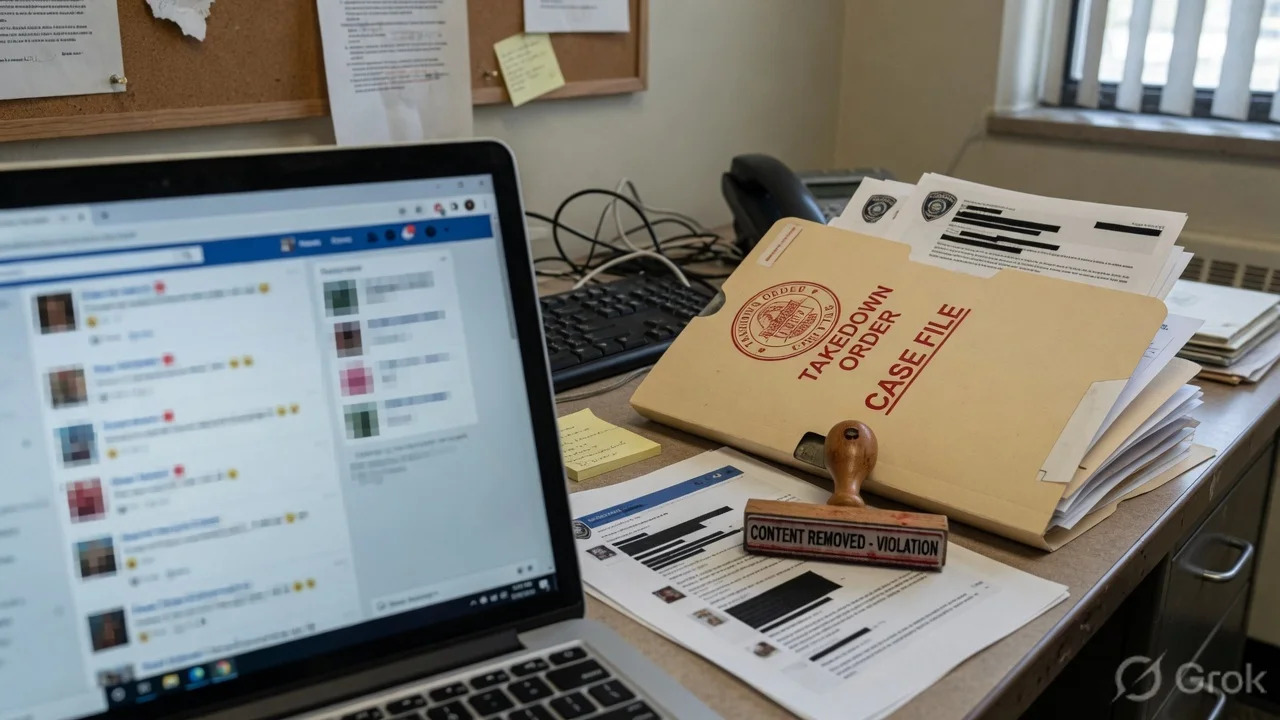
- Gujarat Police allegedly used Section 79(3)(b) of the IT Act to remove over 50 Adani-related posts from X (formerly Twitter) between March and May 2026.
- The requests were sent directly to X without a court order, citing potential threats to public order and national security.
- This action has sparked a debate on the balance between preventing online harm and protecting freedom of expression.
- The controversy highlights the growing scrutiny of tech giants' content moderation practices in India.
- Legal experts are questioning the legal basis for such takedown requests without judicial oversight.
What's the news
Allegations have emerged that the Gujarat Police have repeatedly used Section 79(3)(b) of the Information Technology (Intermediary Guidelines and Digital Media Ethics Code) Rules, 2021 to remove social media posts related to the Adani Group. The claims were made by X, the social media platform formerly known as Twitter, in a transparency report. The report states that the police sent multiple requests to remove content, which X complied with, citing potential threats to public order and national security.
Details
According to the data, the Gujarat Police issued takedown notices for more than 50 posts between March and May 2026. These posts allegedly contained critical content about the Adani Group's business practices, including its relationship with the central government. The police requests did not include a court order or any other legal authorization. X complied with the requests, as the law requires intermediaries to act upon such notices to maintain their safe harbour protection.
India impact
This controversy has significant implications for India's digital landscape. It raises questions about the use of legal provisions to suppress dissent and criticism. The incident also highlights the power imbalance between state authorities and social media platforms. The use of Section 79(3)(b) without judicial oversight sets a concerning precedent for content moderation in India. It could lead to a chilling effect on free speech, as individuals and media outlets may self-censor to avoid legal trouble.
Use cases
The incident can be seen as a case study in the challenges of regulating online content in India. It demonstrates how legal provisions can be used to target specific content and individuals. The use of Section 79(3)(b) in this manner is a departure from its intended purpose of removing content that is genuinely harmful or illegal. Instead, it appears to have been used to remove content that is critical of a powerful corporate entity. This has implications for the future of online journalism and activism in India.
Honest take
The alleged actions of the Gujarat Police raise serious concerns about the state of free speech in India. While the government has a legitimate interest in maintaining public order and national security, it must not use legal provisions to suppress dissent and criticism. The use of Section 79(3)(b) without judicial oversight is particularly troubling. It undermines the rule of law and sets a dangerous precedent. It is essential for tech companies, civil society, and the judiciary to hold the authorities accountable and ensure that the right to free speech is protected.



Comments (0)
Be the first to comment!