


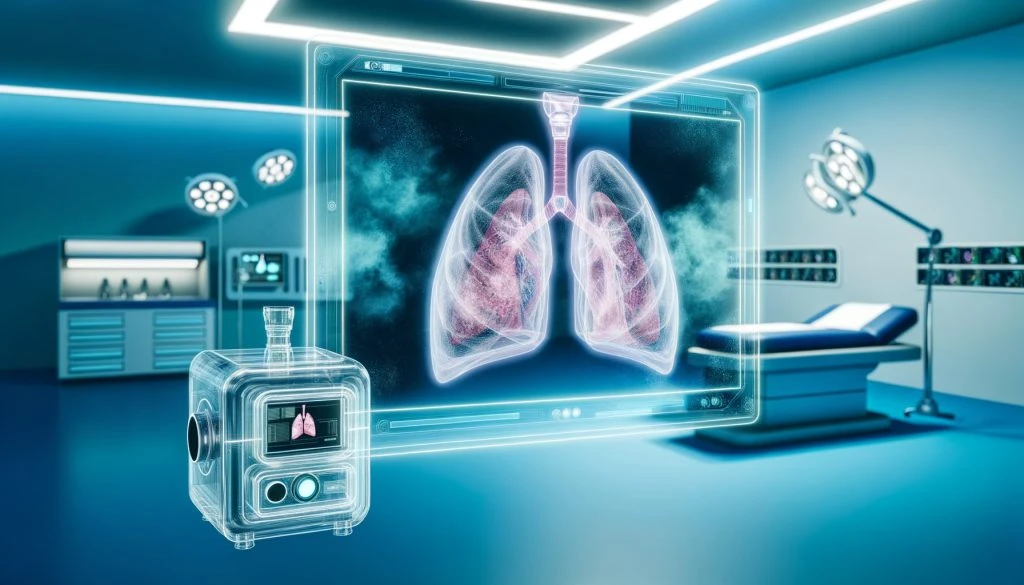
AI Healthcare Screening Infrastructure: How Artificial Intelligence is Revolutionizing Early Disease Detection
The global healthcare system is undergoing a seismic shift. Across hospitals, clinics, and remote health centers — from Boston to Bengaluru — Artificial Intelligence (AI) is being embedded into the very infrastructure of disease screening. No longer confined to research labs or pilot projects, AI-powered screening systems are now actively diagnosing cancer, detecting tuberculosis, flagging diabetic retinopathy, and predicting cardiac events — often faster and more accurately than human clinicians alone.
This article examines the rise of AI healthcare screening infrastructure: what it is, how it works, who is building it, and what it means for a country like India where healthcare access remains unequal and the burden of disease is immense.
What is AI Healthcare Screening Infrastructure?
AI healthcare screening infrastructure refers to the technology stack, systems, data pipelines, and deployment frameworks that enable artificial intelligence to assist in the early detection of diseases at scale. It is not a single product — it is an ecosystem comprising:
- AI diagnostic models — trained on millions of medical images, lab reports, and patient records
- Medical imaging hardware — X-ray machines, MRI scanners, retinal cameras, ultrasound devices — integrated with AI software
- Cloud and edge computing platforms — to process screening data in real time
- Electronic Health Record (EHR) integration — so AI insights flow directly into clinical workflows
- Regulatory and compliance layers — FDA clearances, CE marks, CDSCO approvals in India
Together, these components form an infrastructure that can screen populations at a speed and scale never before possible.
Premium Content
You've read all your free articles today. Subscribe to continue reading.
You've used 3 of 3 free articles today.
Subscribe NowAlready subscribed? Sign in





Comments (0)
Be the first to comment!