


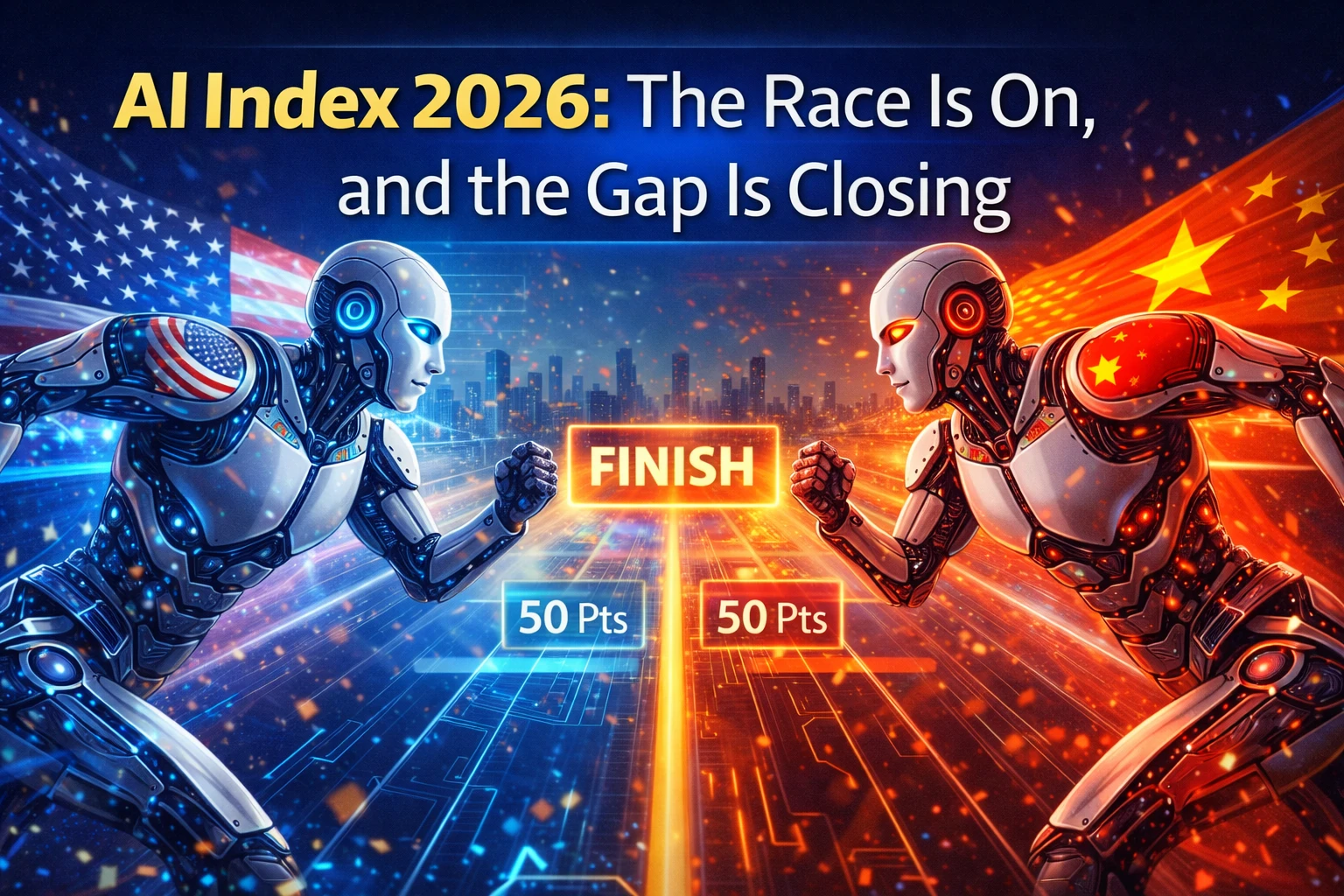
What the 2026 AI Index is really saying
Let’s cut to the chase – AI isn’t plateauing, it’s sprinting. The latest AI Index crunched data from labs, cloud providers and venture deals and found three big take‑aways: models are getting smarter faster, the US‑China "model gap" is narrowing, and the United States still dominates in data‑center capacity and AI‑focused investment.
Speed‑up in model capability
Think of AI models as cars. Five years ago the fastest supercar could do 300 km/h. Today the same class can hit 500 km/h and every year the top speed jumps another 50 km/h. In AI‑speak, the average compute‑per‑parameter ratio has risen by 45 % YoY, meaning researchers are training larger models faster and cheaper. New multimodal beasts (think ChatGPT‑4‑style but with video) are now hitting benchmark scores that were out of reach just a year ago.
The US‑China model gap is closing
For a while the narrative was “China lags behind in large‑scale foundation models”. The Index shows the gap in raw model size (parameters) is now down to 12 % – a far cry from the 30 % gap in 2022. Chinese labs like Baidu, Alibaba and the new national AI labs are pouring resources into training clusters that rival the top US labs. The real kicker? Chinese teams are now publishing more open‑source model weights, which means the global community gets access to cutting‑edge tech from both sides of the Pacific.
US still leads in data‑centers and AI cash
Data‑center capacity is the backbone of AI. The US now hosts 38 % of the world’s AI‑optimized racks, ahead of China’s 33 % and Europe’s 15 %. In dollar terms, US‑based AI investment topped $120 billion in 2025, a 22 % jump from the previous year. China follows with $95 billion, but the US edge is still clear, especially in venture‑backed startups focusing on AI‑hardware, safety and tooling.
Why Indian readers should care
India sits in the middle of this race. Our startup ecosystem is buzzing with AI‑first companies, but we still import most of the compute power. The narrowing US‑China gap means more affordable model licenses could become available – good news for Indian firms that can’t afford the premium API fees from big US players.
On the hardware front, the US‑led data‑center boom is driving down the price of GPU‑as‑a‑service. Expect more Indian cloud providers (like AWS India, Azure India, and the home‑grown NxtGen) to roll out cheaper AI‑focused instances in the next 12‑months.
TamilTech’s take – the upside and the risk
We’re excited because the acceleration means Indian developers can experiment with bigger models without waiting years for a breakthrough. But the race also brings risk: the US dominance in AI funding translates to a talent drain. Top Indian engineers are being poached by US unicorns offering sky‑high salaries.
Our bet? Double‑down on building AI talent locally and push for government incentives on AI‑hardware manufacturing. If India can get a slice of the data‑center pie – say, by setting up sovereign cloud zones in Hyderabad or Bengaluru – we’ll become less dependent on foreign compute and more competitive in the global AI market.
What’s next?
Watch for three trends in the next 12‑months:
- More open‑source multimodal models coming out of China – Indian developers should start testing them now.
- US cloud giants will launch sub‑$0.10 per hour AI instances in India – keep an eye on pricing tables.
- Government policy shifts toward AI‑hardware subsidies – lobby your local MP or startup incubator.
Bottom line: AI is not slowing down, the competition is getting tighter, and India has a real shot at riding the wave if we play our cards right.





Comments (0)
Be the first to comment!