


Key Takeaways
- Apple is reportedly developing its own large language model (LLM) to power its Apple Intelligence features in China, marking a significant shift from its previous reliance on third-party AI models.
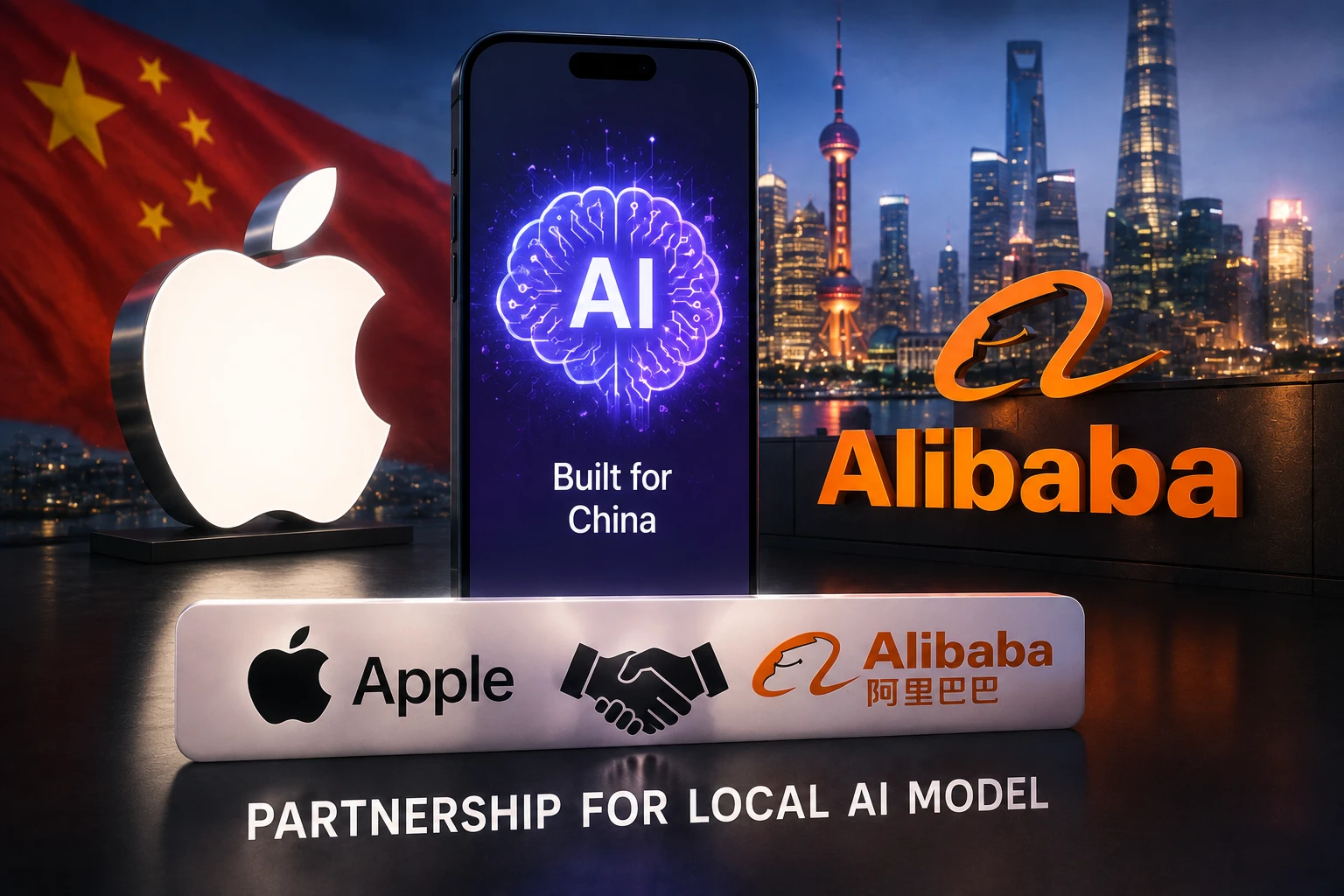
- The company is in advanced talks with Alibaba to potentially integrate Alibaba's cloud and AI services into its strategy for the Chinese market.
- This partnership could help Apple navigate China's strict AI regulations and data localization laws, which have previously hindered the launch of Apple Intelligence.
- For Indian users, this move signals Apple's serious commitment to AI-powered experiences, which could eventually roll out to devices sold in India, bringing more localized AI features.
- The collaboration with a major Chinese tech firm like Alibaba highlights the complex geopolitical and business landscape Apple operates in, balancing innovation with market access.
What's the news
Apple is reportedly gearing up to bring its Apple Intelligence suite to China, but not in the way many might expect. Instead of relying on third-party models, the company is said to be developing its own large language model (LLM) specifically for the Chinese market. This strategic shift comes as Apple seeks to overcome the significant hurdles that have prevented the launch of its AI features in the country so far.
According to recent reports, Apple is in advanced discussions with Alibaba to partner on this initiative. The deal would involve Alibaba providing its cloud computing and AI infrastructure to support Apple's new in-house model. This collaboration is seen as a pragmatic solution to navigate China's unique regulatory environment, which includes strict data security laws and requirements for AI services to be approved by the government.
This move is particularly noteworthy because it represents a departure from Apple's usual approach of maintaining tight control over its technology stack. By partnering with a major Chinese tech firm, Apple is demonstrating its willingness to adapt to local market conditions, even if it means sharing the stage with a competitor in the AI space.
Details of the reported plan
The reported plan involves a multi-layered strategy. First, Apple is developing its own foundational AI model, which it would brand as its own. However, to ensure this model complies with local regulations and can operate effectively within China's internet ecosystem, it would leverage Alibaba's cloud infrastructure. Alibaba's extensive experience in the Chinese market and its existing relationships with regulators would be crucial for getting the service approved.
This approach is similar to how other international tech companies have entered the Chinese market. For instance, Microsoft's partnership with local firm 21Vianet allows it to offer its Azure cloud services in China, complying with local data laws. Apple's potential deal with Alibaba follows a similar playbook, using a local partner to bridge the gap between its global technology and local requirements.
The specifics of the partnership, such as the financial terms and the exact nature of the AI services to be offered, are still under wraps. However, the reports suggest that this collaboration could be announced as early as the upcoming fall, coinciding with Apple's usual product launch cycle.
India impact
While the news is primarily about Apple's strategy in China, it has significant implications for the Indian market. India is Apple's second-largest market, and the company has been aggressively expanding its presence here. The lessons learned from the Chinese market could inform how Apple rolls out more advanced AI features in India.
For Indian users, this development signals that Apple is serious about investing in on-device AI and large language models. While Apple Intelligence is not yet available in India, the company's efforts to develop its own models suggest that more powerful, localized AI features could be on the way. This could mean better support for Indian languages, more relevant suggestions, and enhanced privacy features that are tailored to the Indian context.
Furthermore, the potential cost savings from developing its own models could eventually be passed on to consumers in India. As Apple's AI infrastructure becomes more efficient, it could reduce the operational costs associated with running AI services, which might translate into more competitive pricing for iPhones and other devices in the Indian market.
Use cases to watch for
If Apple successfully launches its AI features in China, we can expect to see a range of new use cases that could eventually make their way to India. These include:
- Enhanced Siri: A more conversational and context-aware Siri that can understand complex queries and provide more helpful responses.
- AI-powered photo editing: Advanced photo editing capabilities that can automatically enhance images, remove unwanted objects, and even create new content based on text prompts.
- Personalized content recommendations: AI that can learn from your usage patterns to suggest apps, music, and other content that you're more likely to enjoy.
- Real-time translation: Improved translation features that can work offline and provide more accurate translations for a wider range of languages, including Indian languages.
These features would not only enhance the user experience but also differentiate Apple's products in a highly competitive market. For Indian users, the addition of robust support for Indian languages would be a game-changer, making Apple's devices more accessible and useful for a wider audience.
Honest take
Apple's reported move to develop its own AI model for China is a smart, if necessary, step. The company has been relatively slow to embrace generative AI compared to its competitors, but it's now playing catch-up in a way that aligns with its core values of privacy and user experience.
The partnership with Alibaba is a pragmatic solution to a complex problem. It allows Apple to maintain control over its AI technology while still complying with local regulations. This is a delicate balance, but it's one that Apple seems willing to strike in order to access the massive Chinese market.
For consumers in India and elsewhere, this development is a positive sign. It suggests that Apple is serious about investing in AI and that we can expect to see more powerful and useful AI features in its products in the near future. While the rollout may be gradual, the foundation is being laid for a more intelligent and personalized Apple ecosystem.
FAQs
Q: Why is Apple developing its own AI model for China?
A: Apple is developing its own AI model to comply with China's strict data regulations and to have more control over its AI services. Partnering with Alibaba helps navigate these local requirements.
Q: Will Apple Intelligence be available in India soon?
A: While Apple Intelligence is not yet available in India, Apple's investment in its own AI models suggests that more advanced AI features will eventually roll out to Indian users, potentially with better support for local languages.
Q: What does this mean for the competition with other AI companies?
A: This move shows Apple is taking AI seriously and competing directly with companies like Google, Microsoft, and OpenAI. It's a sign of the times that even Apple, known for its closed ecosystem, is embracing generative AI.





Comments (0)
Be the first to comment!