


Amazon’s $11.57 B Bet on Satellite Internet
Okay, let’s break it down. Amazon, the e‑commerce behemoth that’s already running a cloud empire with AWS, just announced a massive $11.57 billion cash deal to buy Globalstar. That’s roughly $90 per share, paid either in cash or Amazon stock – whichever the Globalstar board prefers.
The catch? The price only holds if Globalstar nails a set of milestones for its upcoming HIBLEO‑4 replacement satellites. In plain English, Amazon is saying, “We’ll buy you, but only if you deliver the next‑gen satellite network on time and on spec.”
Why Globalstar?
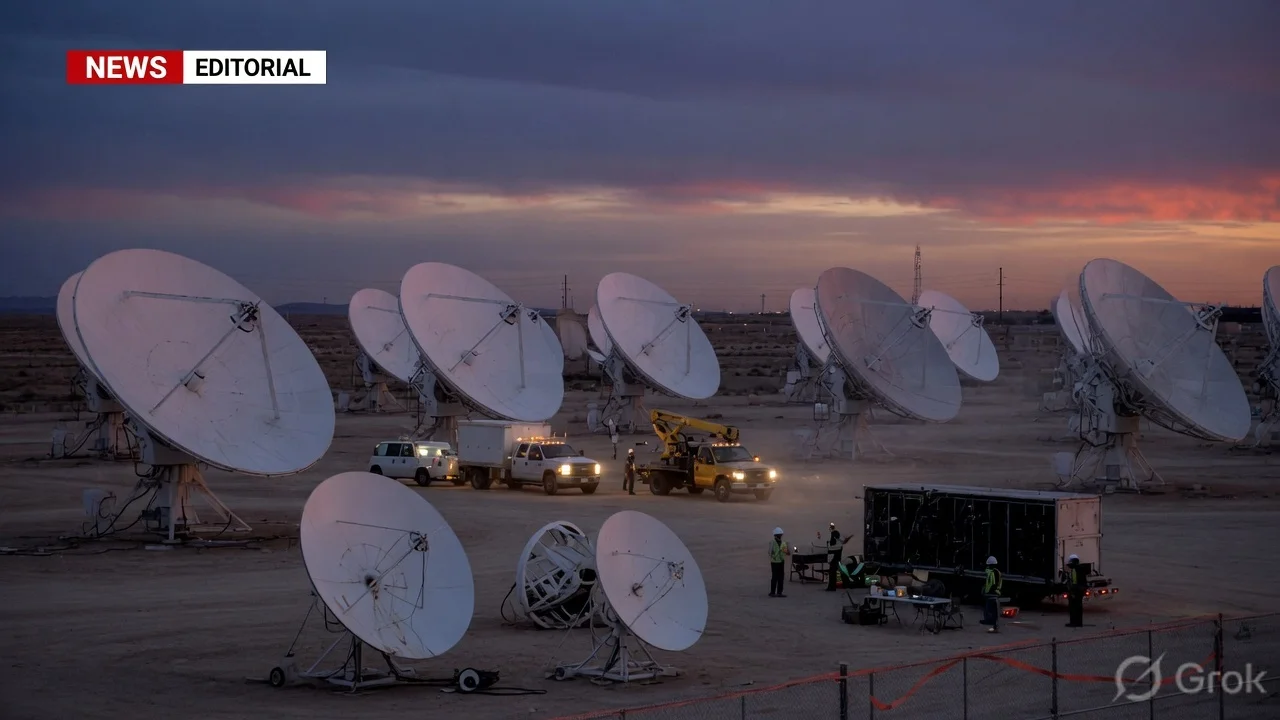
Globalstar is one of the older low‑Earth‑orbit (LEO) constellations. It runs about 24 satellites that provide voice and data services, mainly for niche markets like asset tracking, maritime communication, and remote‑site telemetry. The company’s current fleet is aging, and the HIBLEO‑4 program promises a fresh batch of LEO satellites with higher bandwidth, better latency, and a longer life‑span.
For Amazon, the deal is a shortcut to a ready‑made satellite platform that can complement its own Project Kuiper build‑out. Kuiper is still in the early phases – the FCC has approved 3,236 satellites, but only a few have launched. Buying Globalstar gives Amazon immediate access to an operational constellation, ground stations, and a customer base that already uses satellite links.
The Numbers
- Deal size: $11.57 billion total.
- Per share price: $90 cash or Amazon stock.
- Milestone‑based escrow: Up to $2 billion held until HIBLEO‑4 milestones are met.
- Globalstar’s 2023 revenue: $300 million (tiny compared to the price tag).
In Indian rupees, that’s roughly ₹960 crore – a staggering multiple of Globalstar’s annual revenue. The market is already calling it a “premium” acquisition, but Amazon sees strategic value far beyond the balance sheet.
What This Means for India
India’s satellite‑internet scene is heating up. Jio‑Fiber has been expanding, but the rural market still struggles with last‑mile connectivity. Both Jio and Bharti’s Airtel have filed for LEO licenses, and the Indian government is keen on boosting broadband penetration.
If Amazon can integrate Globalstar’s network with Kuiper, we might see a hybrid service that offers cheaper, more reliable connectivity to remote villages, farms, and even moving assets like tractors or trucks. Imagine a farmer in Tamil Nadu getting real‑time weather data and market prices on a cheap IoT device powered by Amazon’s satellite link – no more reliance on spotty 2G towers.
For Indian startups, this could open a new channel for IoT services. Companies building smart‑agri platforms could piggy‑back on Amazon’s satellite API, similar to how they use AWS IoT Core today. The cost‑per‑gigabyte might drop as competition forces pricing down.
TamilTech’s Take
We think Amazon’s move is bold but risky. The milestone clause protects them if Globalstar’s new satellites stumble – which is a real risk given the technical challenges of LEO deployment. However, the upside is huge: a ready‑made satellite backbone could shave years off Kuiper’s rollout schedule.
From an Indian consumer perspective, the biggest win would be cheaper broadband for off‑grid areas. Right now, a satellite dish from SpaceX’s Starlink costs around ₹70,000 plus a ₹2,500/month subscription – a price many can’t afford. If Amazon can leverage Globalstar’s existing ground infrastructure in India (they have a few stations in the Middle East and Europe), the entry cost could be lower.
On the flip side, the deal could spark a price war that forces smaller players out of the market. Companies like Skylo and Astrome, which are focusing on low‑cost IoT connectivity, might find it harder to compete if Amazon starts offering bundled services (AWS + satellite) at scale.
What’s Next?
We’ll be watching for three things:
- Milestone updates: Globalstar must launch the first HIBLEO‑4 satellite by Q4 2025 and achieve 80% network availability by 2027.
- Regulatory approvals in India: The Department of Telecommunications (DoT) will need to clear any new spectrum usage for Amazon’s hybrid network.
- Pricing announcements: Amazon will likely unveil a “Satellite‑Lite” plan for Indian IoT developers within the next 12 months.
If all goes well, we could see satellite broadband become a mainstream option for Indian villages within the next five years – a game‑changer for digital inclusion.




Comments (0)
Be the first to comment!