


Key Takeaways
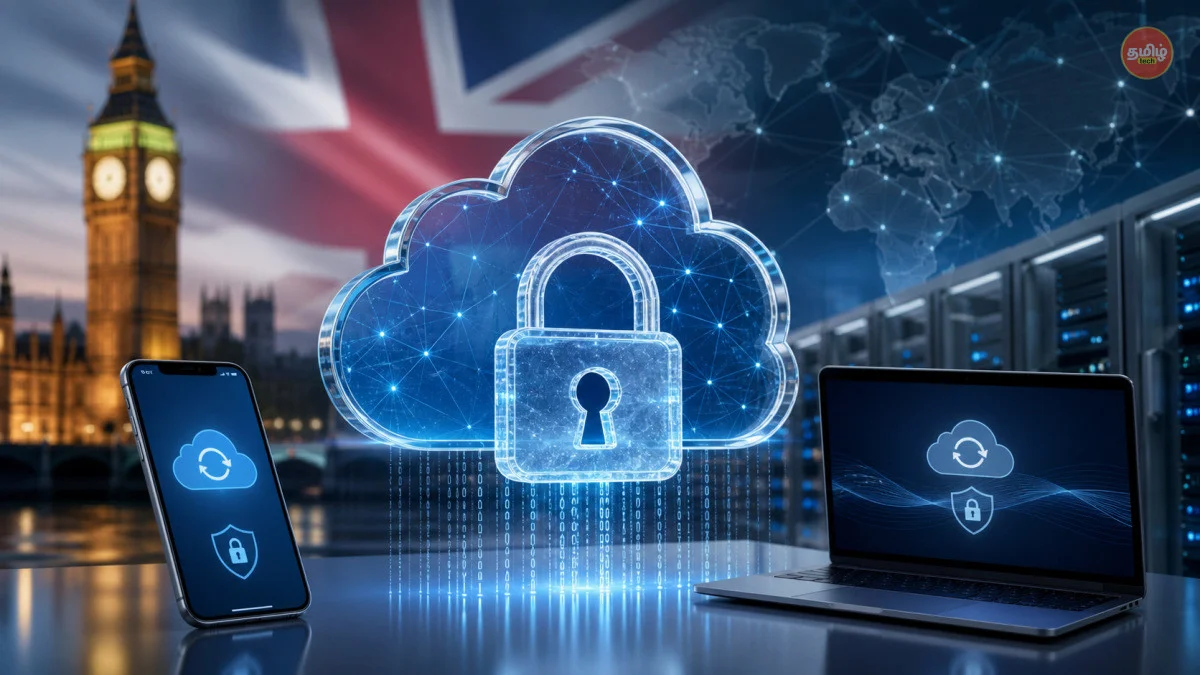
- Apple has officially filed a legal challenge against the UK’s 2026 Investigatory Powers Act update that demands a 'backdoor' to encrypted iCloud data.
- The UK government claims these measures are necessary for national security, while Apple argues a backdoor for one is a backdoor for everyone, including hackers.
- If Apple loses, it might be forced to disable certain privacy features like Advanced Data Protection globally or withdraw services from the UK market.
- For users in India, this sets a massive precedent as the Indian government is currently observing these global encryption battles to shape its own IT Rules.
- Bottom line: Your end-to-end encrypted chats and photos are safe for now, but the wall of privacy is under the heaviest pressure we have seen in years.
The 2026 Encryption War: Apple vs. The UK
So, here we go again. If you thought the battle for digital privacy was over, think again. It is August 2026, and we are witnessing one of the biggest legal showdowns in tech history. Apple has just thrown down the gauntlet, challenging the UK government’s latest demand to build a 'backdoor' into iCloud. For years, Apple has marketed itself as the fortress of privacy, but the UK’s updated Investigatory Powers Act is trying to blow the gates wide open. This isn't just about the UK; it’s a ripple that could turn into a tsunami for iPhone users in India and across the globe.
The core of the issue is simple yet terrifying. The UK government wants the power to tell tech companies to weaken their security features so that law enforcement can access encrypted data without the user ever knowing. Apple, in its classic 'Privacy first' stance, has said a firm "No." They are arguing that you cannot create a key that only the 'good guys' can use. If a door exists, the 'bad guys'—hackers, state-sponsored actors, and scammers—will eventually find it. At TamilTech, we’ve been following this closely, and honestly, this feels like a tipping point for the entire smartphone industry.
What Exactly is a 'Backdoor' and Why is it Dangerous?
Let’s break this down like we’re talking over a cup of tea. Imagine you have a high-tech Godrej locker at home. Only you have the key. Not even the company that made the locker can open it. This is what 'End-to-End Encryption' (E2EE) is. Now, imagine the government tells Godrej, "You must keep a master key in your office just in case we need to check what’s inside someone's locker." That master key is the 'backdoor.' The problem? If someone steals that master key from the office, every single locker in the world becomes vulnerable instantly.
In 2026, Apple’s iCloud uses 'Advanced Data Protection,' which means even Apple doesn't have the keys to your photos, notes, or backups. The UK government finds this annoying. They want Apple to be able to scan your content for illegal material before it gets encrypted. Apple’s argument is that this 'client-side scanning' is just a fancy word for surveillance. It breaks the fundamental promise of privacy. Once you build the infrastructure to scan for one thing, it’s only a matter of time before it’s used to scan for everything else—your private messages, your banking details, or your political views.
The India Connection: Why You Should Care in 2026
You might be thinking, "This is happening in London, why should I care in Chennai or Mumbai?" Well, here is the thing—India is watching. Our own government has been in a long-standing debate with platforms like WhatsApp and Apple over 'traceability' and 'encryption.' If Apple bows down to the UK, it creates a blueprint for every other country, including India, to demand the same level of access. We already see how the IT Rules in India are evolving. If the UK wins this, don't be surprised if similar demands land on Apple’s desk in New Delhi by the end of this year.
Moreover, think about the hardware. If Apple has to change the software architecture of iOS to comply with UK laws, they might not make a separate 'secure' version for India and a 'vulnerable' version for the UK. Maintaining two different versions of an operating system is a nightmare. There is a real risk that the security of iPhones worldwide could be downgraded to the lowest common denominator required by the most demanding government. In a world where we use our phones for UPI, Aadhaar, and sensitive work documents, a weaker iPhone is a risk we can't afford.
Real-World Scenarios: How This Affects Your Daily Life
Let’s look at how this plays out for a regular user. Suppose you are a business owner in India using iCloud to store your trade secrets or sensitive client contracts. Under the current system, you are the only one with the key. But if these 'backdoor' laws become global, a vulnerability is introduced. A hacker in a different country could exploit the very same backdoor the government uses to steal your data. We’ve seen this happen with 'Pegasus' and other spyware—loopholes meant for 'security' always end up being sold to the highest bidder on the dark web.
Another scenario is the 'slippery slope.' Today it’s about catching serious criminals. Tomorrow, it could be about identifying people who protest a new flyover in your city or users who criticize a policy on social media. Privacy isn't just about having nothing to hide; it's about the freedom to live without a digital shadow following your every move. This is why Apple’s fight is so crucial. They aren't just protecting their brand; they are protecting the very concept of a private digital life in 2026.
TamilTech’s Take: What Happens Next?
So, what do we think at TamilTech? Honestly, Apple is in a tough spot. They have already threatened to pull services like FaceTime and iMessage from the UK in the past. While it’s unlikely they will quit a major market entirely, they might disable certain high-security features in specific regions. But that’s a messy solution. We believe Apple will fight this in the courts for as long as possible. They know that their entire premium brand image is built on the idea that "What happens on your iPhone, stays on your iPhone."
For our Indian audience, our advice is to stay informed but don't panic just yet. Your data is still encrypted. However, it’s a good time to start looking at extra layers of security. Use physical security keys for your Apple ID and maybe don't keep everything in the cloud if you're worried about long-term privacy. The battle for the 'soul' of the internet is happening right now in 2026, and the outcome will decide if our phones are our private assistants or government-mandated tracking devices. We will keep you updated as this story develops!




Comments (0)
Be the first to comment!