


Key Takeaways
- Uber, Meta, Microsoft and several other firms have reported a 30‑40% rise in AI‑related cloud spend in Q1‑2026 due to "tokenmaxxing".
- Tokenmaxxing is the practice of feeding massive text prompts to large‑language models to extract every possible token, inflating compute costs.
- In India, the new policies could curb the surge of AI‑powered internal tools that cost startups upwards of ₹2 lakh per month.
- Companies are now mandating usage caps, audit logs and internal pricing for AI APIs to keep budgets in check.
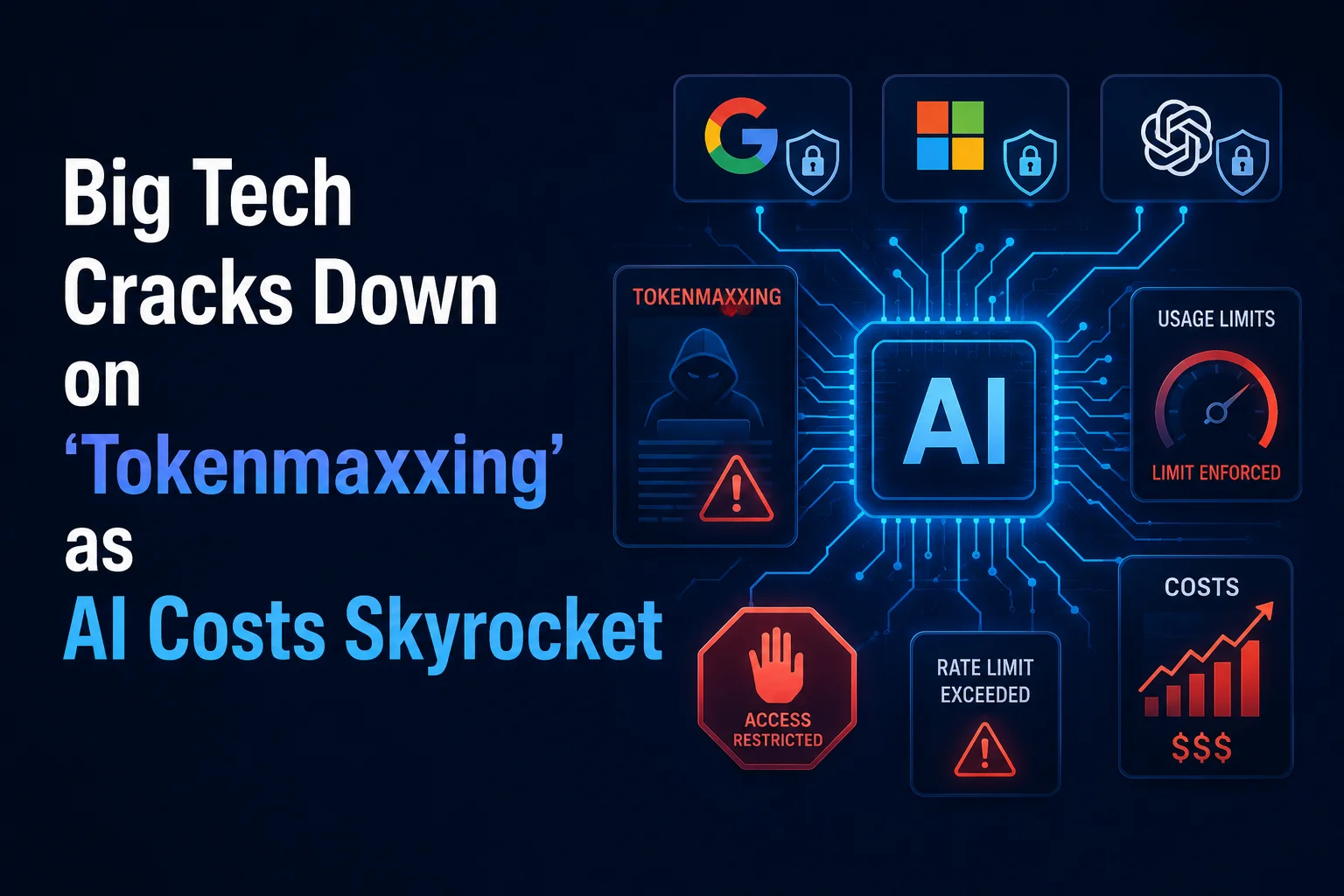
Okay, let’s break it down. Over the last few months, a quiet but expensive habit has been spreading through the engineering floors of Uber, Meta, Microsoft and a handful of other AI‑heavy outfits. The habit? "Tokenmaxxing" – basically asking a large‑language model (LLM) to generate as many words as possible, even when the output is useless junk. The result? Cloud bills that look like they belong to a Fortune‑500 company, not a single product team.
What’s the news?
All these companies have now announced internal policy shifts aimed at reining in tokenmaxxing. The move comes after internal finance dashboards showed AI‑related spend jumping by roughly 30‑40% in Q1‑2026 alone. Executives say the problem isn’t the AI models themselves – it’s how developers are using them.
The details – numbers, policies, and why it matters
Here’s the low‑down:
- Spend spike: Uber’s internal AI platform logged $12 million extra spend in March 2026, most of it traced to massive prompt‑to‑completion loops.
- Tokenmaxxing defined: A “token” is a chunk of text the model processes. By sending prompts that request thousands of tokens per call, developers can unintentionally (or sometimes intentionally) rack up compute time.
- Policy changes:
- Meta is introducing a hard cap of 10,000 tokens per API call for non‑production environments.
- Microsoft’s Azure OpenAI team now requires a justification field in every request that exceeds 5,000 tokens.
- Uber is rolling out an internal cost‑center tagging system so finance can see which teams are burning the most AI dollars.
- Audit trails: All three firms will start logging every token count to a central dashboard, making it easy for managers to spot outliers.
Why does this matter to you? Because many Indian startups and product teams rely on the same public APIs (OpenAI, Anthropic, Google Gemini). If the big players tighten access, the downstream cost pressure will ripple down to us.
Impact on India
In India, the average SaaS startup spends around ₹1.5 lakh per month on AI APIs. With tokenmaxxing, that can double or triple overnight. The new caps mean:
- Predictable budgets: Teams will have a clear ceiling on how much they can spend per month.
- More disciplined engineering: Developers will need to think about prompt efficiency, not just model capability.
- Potential slowdown in experimentation: Some early‑stage product ideas that relied on massive text generation might get put on hold until they can prove ROI.
On the upside, the push for efficiency is likely to spark a wave of Indian‑built prompt‑optimisation tools. Expect a few home‑grown startups to launch token‑analytics dashboards that integrate with Azure, GCP and AWS.
TamilTech’s take – pros, cons, and what you should do
Honestly, this is a mixed bag. On the positive side, forced caps will shave off a lot of wasteful spend. Companies that were throwing money at endless chat‑bot conversations will finally have to ask, “Do I really need 20 KB of output for this use‑case?” That kind of discipline is good for the Indian market where every ₹ counts.
On the flip side, the caps could stifle creativity. Some research teams need long‑form generation for summarising legal contracts or creating synthetic data. If the caps are too low, they’ll have to batch requests, which adds latency and engineering overhead.
What should you, the reader, do? First, audit your own AI usage. Most cloud portals let you see token counts per API key. If you see a spike, ask yourself:
- Is the output actually useful?
- Can I shorten the prompt?
- Do I need a cheaper model (e.g., a 7‑B LLaMA instead of GPT‑4)?
Second, start tagging your AI spend. Create a simple spreadsheet: Team | Project | Tokens Used | Cost (INR). This will give you visibility before the big‑tech policies hit your vendor bills.
What to expect next
Expect a few more announcements this quarter. Google has hinted at “dynamic token pricing” – meaning you’ll pay per‑token but at a rate that scales with usage volume. Anthropic is testing a “prompt‑size discount” for developers who keep under 2,000 tokens.
In the Indian ecosystem, we’ll likely see a rise in open‑source LLMs hosted on local data centres to dodge the pricey token fees. Keep an eye on projects like Mistral‑7B on AWS India and the upcoming “IndiGPT” beta from a Bengaluru startup.
Bottom line: AI is here to stay, but you’ll have to be smarter about how you ask it to work for you.





Comments (0)
Be the first to comment!