


Key Takeaways
- The Department of Telecommunications (DoT) has disconnected over 88 lakh (8.8 million) fraudulent mobile connections nationwide as of July 2026.
- The cleanup was powered by the ASTR (Artificial Intelligence and Facial Recognition powered Solution for Telecom SIM Subscriber Verification) tool.
- Over 2.5 lakh mobile handsets have been blocked and 6.5 lakh spoofed calls are being intercepted daily to prevent cybercrime.
- Users can check how many SIM cards are registered in their name by visiting the Sanchar Saathi portal and using the 'Know Your Mobile Connections' feature.
Have you ever wondered how scammers get thousands of SIM cards to make those annoying 'lottery' or 'bank KYC' calls? Well, the Indian government has finally decided to pull the plug on this massive operation. In a move that is making waves across the telecom industry this year, the Department of Telecommunications (DoT) has officially disconnected a whopping 88 lakh mobile connections. This isn't just a random cleanup; it’s a surgical strike against digital fraud using a sophisticated AI tool that’s honestly quite impressive in how it works.
The Backstory: How Fake SIMs Became a National Headache
For years, the process of getting a SIM card in India was, let’s be honest, a bit loose. People were using fake ID cards, photos of random individuals, or even stolen documents to buy SIM cards in bulk. Scammers would often use one person's ID to activate 50 or 100 different SIM cards without that person ever knowing. These 'ghost' connections were then used for everything from UPI frauds and WhatsApp scams to serious organized crime. By the time 2025 rolled around, the scale of this problem had reached a breaking point, leading to the full-scale deployment of the ASTR system we are seeing in 2026.
The issue wasn't just about the number of SIMs, but the speed at which they were being generated. Traditional manual verification simply couldn't keep up with millions of new subscribers every month. This created a massive loophole that cybercriminals exploited. Whether it was the infamous 'FedEx scam' or 'Digital Arrest' frauds that we saw peaking last year, almost every single one of those crimes relied on these untraceable, fraudulent SIM cards. The DoT realized that to stop the crime, they had to cut off the oxygen supply—which in this case, was the fake mobile connection.
How ASTR AI Actually Works: The Tech Behind the Cleanup
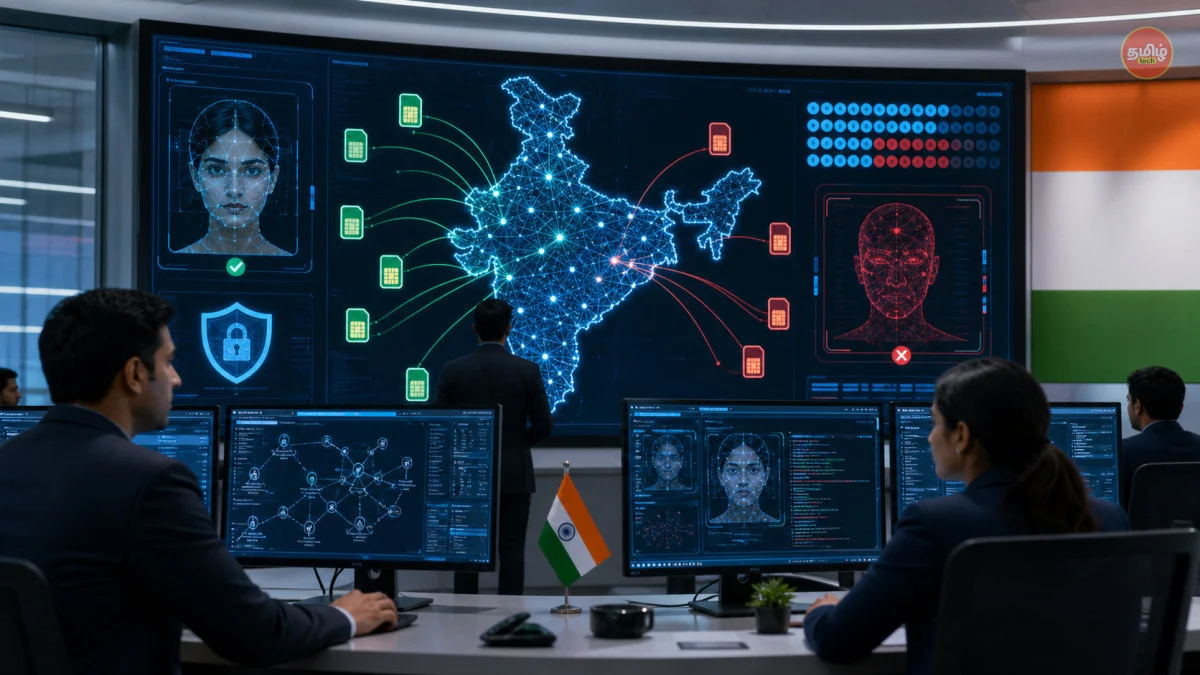
So, how did they find 88 lakh fake connections among nearly 120 crore active users? The answer is ASTR. This stands for Artificial Intelligence and Facial Recognition powered Solution for Telecom SIM Subscriber Verification. Think of it as a super-intelligent digital detective. ASTR doesn't just look at the name on the ID card; it analyzes the subscriber's photograph provided during the KYC process. The AI compares millions of faces across different telecom operators like Jio, Airtel, and Vi to see if the same face appears under different names or addresses.
What’s really cool (and a bit scary for scammers) is that ASTR can detect if a photo has been manipulated. It can recognize if someone is wearing a wig, glasses, or using a slightly different angle to fool the system. Once the AI flags a suspicious cluster—for example, one person having 50 SIMs across India with different names but the same face—the DoT sends these lists to the telecom operators for physical re-verification. If the subscriber fails to prove their identity, the connection is snapped instantly. This level of cross-operator facial analysis was impossible before AI, and it's the reason why the numbers are so high this year.
The India Impact: Safer UPI and Fewer Spam Calls
For the average Indian user, this is fantastic news. Most of the cybercrimes in India, especially those targeting GPay, PhonePe, and Paytm users, happen through these fraudulent SIMs. When a scammer calls you pretending to be a bank official, they are likely using one of these 88 lakh blocked numbers. By removing these from the ecosystem, the government is significantly raising the 'cost of doing business' for criminals. It’s no longer easy for them to just throw away a SIM and get a new one the next day.
Furthermore, the DoT has integrated this with the Sanchar Saathi portal. This means that as of 2026, the system is much more proactive. It's not just about disconnecting old SIMs; it's about preventing new ones from being issued to fraudsters. The government has also reported that they are now blocking around 6.5 lakh spoofed calls every single day. If you’ve noticed a slight dip in the number of international-looking numbers calling you to claim your 'parcel is stuck', this AI cleanup is exactly why.
How to Check If Someone Is Using Your ID for a SIM
This is the most important part for you. You don't want your ID being used for something illegal. Here is a simple step-by-step guide to check your status on the Sanchar Saathi portal. First, go to the official Sanchar Saathi website. Look for the 'Know Your Mobile Connections' option. You will be asked to enter your primary mobile number and an OTP. Once you log in, the portal will show you every single mobile number registered under your Aadhaar or ID card across India.
If you see a number that you don't recognize, don't panic. There is a simple 'Report' button right next to it. You can mark it as 'Not My Number' or 'Not Required'. The DoT will then initiate an investigation and disconnect that specific SIM. We at TamilTech highly recommend doing this at least once every three months. It’s a 2-minute task that can save you from massive legal headaches if that fake SIM is ever used in a crime. This is the best way to stay proactive in 2026's digital landscape.
TamilTech's Honest Take: Is This Enough?
Look, we think this is a massive win for the Indian consumer. The fact that AI is being used to protect citizens rather than just for corporate profits is a step in the right direction. However, there's a flip side. With 88 lakh connections being cut, there's always a small chance of 'false positives'—genuine users getting disconnected by mistake. We’ve seen a few cases where people with similar facial features (like twins or family members) faced issues. The grievance redressal system needs to be just as fast as the AI disconnection tool.
What we expect next is more transparency. While blocking SIMs is great, we also need to see the people behind these bulk registrations being prosecuted. The shops and dealers who bypassed KYC norms to sell these SIMs need to face the music. Until the supply chain of fake SIMs is completely dismantled, scammers will keep trying to find new loopholes. But for now, the DoT and the ASTR tool have definitely put the bad guys on the defensive. Stay alert, check your Sanchar Saathi portal, and never share your OTP with anyone!




Comments (0)
Be the first to comment!