


What’s the buzz?
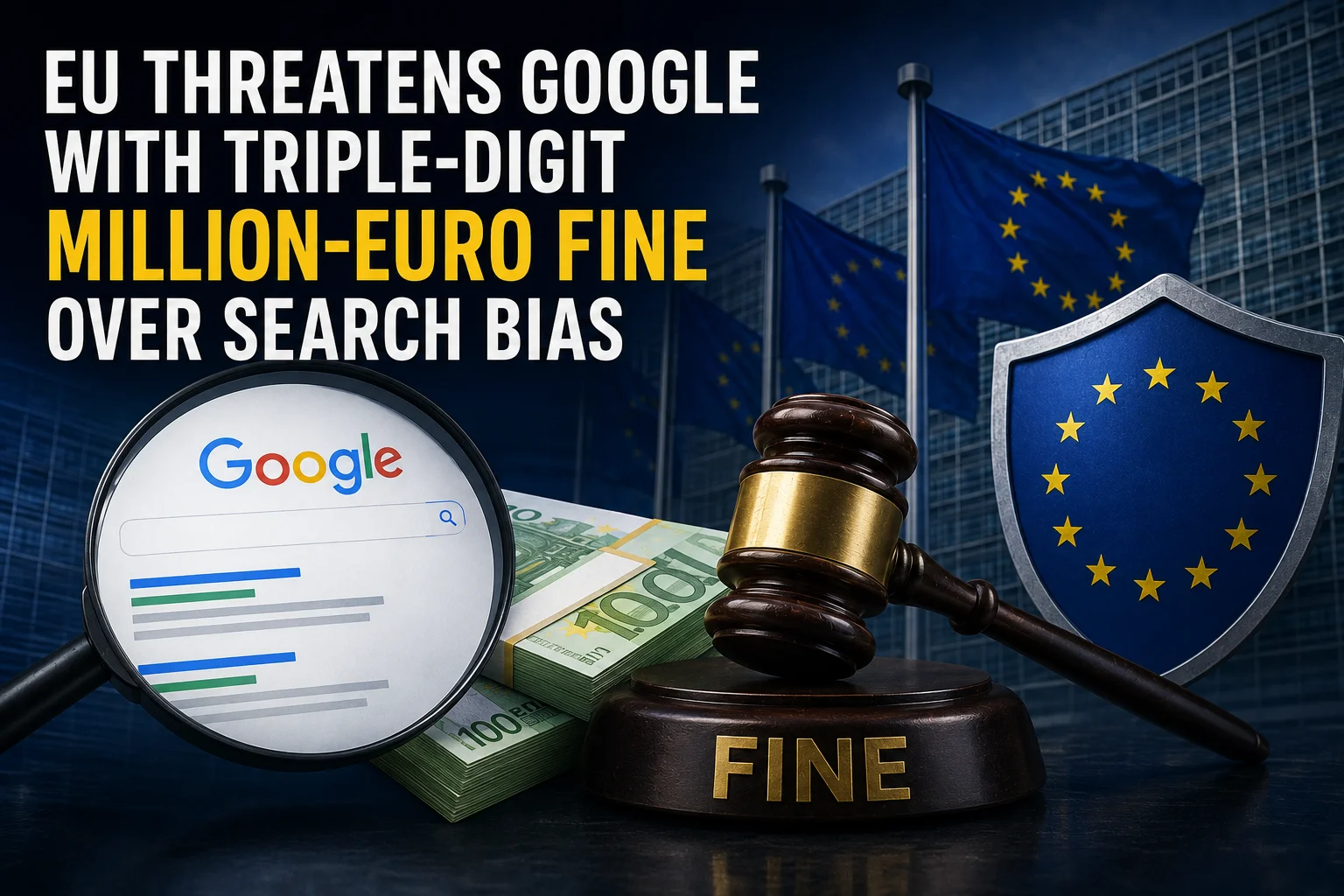
In a move that could reshape how search works for billions, the EU has announced it will hand out a massive fine – think high triple‑digit million euros – to Google if a 2025 investigation confirms that the search behemoth pushes its own products ahead of rivals.
The numbers behind the threat
The Commission says the fine could reach anywhere between €200 million and €900 million, depending on the severity of the breach. That’s a chunk of change, but remember Google’s 2023 revenue in Europe was over €30 billion, so the penalty is designed to bite without crushing the company.
Why the EU is looking closely
The probe focuses on three flagship services: Google Shopping, Google Maps and Google News. Regulators allege that when you type a query, the results page is tilted to give Google’s own listings prime real‑estate – the top spot, bold fonts, even a special “Google” label – while competitors are pushed down or hidden.
How does this affect Indian users?
Even though the case is EU‑centric, the ripple effect reaches us. Google’s search algorithm is the same everywhere, so any forced change to level the playing field could alter the way Indian merchants appear in Google Shopping. Small businesses that rely on organic traffic might finally see a fairer chance against big brands.
What could change on your phone?
If the Commission forces a redesign, you might notice:
- Less prominent "Google" badges on product listings.
- More neutral layout where third‑party shops get similar visibility.
- Potentially slower loading times as Google re‑engineers its SERP (Search Engine Results Page) to comply.
For the average user, the biggest impact will be a more diverse set of options when you search for a product or a local service.
TamilTech’s take
We think the EU’s heavy‑handed approach is both a warning and an opportunity. On one hand, it sends a clear message: no giant can rewrite the rules in its favor. On the other, it could push Google to innovate faster – maybe better AI‑driven snippets, richer knowledge panels, or even more localized results for Indian languages.
What’s next?
The Commission will release its formal decision by the end of 2025. Until then, Google can still argue its case, but the writing on the wall is clear – any proven bias will be met with a fine that can’t be ignored.
What should you do now?
For marketers: start diversifying your traffic sources. Relying 100% on Google Shopping is risky. For everyday users: keep an eye on your search results – you might notice a shift in how products are displayed. And for policymakers: this could become a template for other regions, including India, where competition watchdogs are already eyeing the search market.
Bottom line – the EU is turning up the heat, and Google will have to adapt. Whether that means a cleaner, more neutral search experience for us all remains to be seen.





Comments (0)
Be the first to comment!