


Why AI is the new M&A magnet
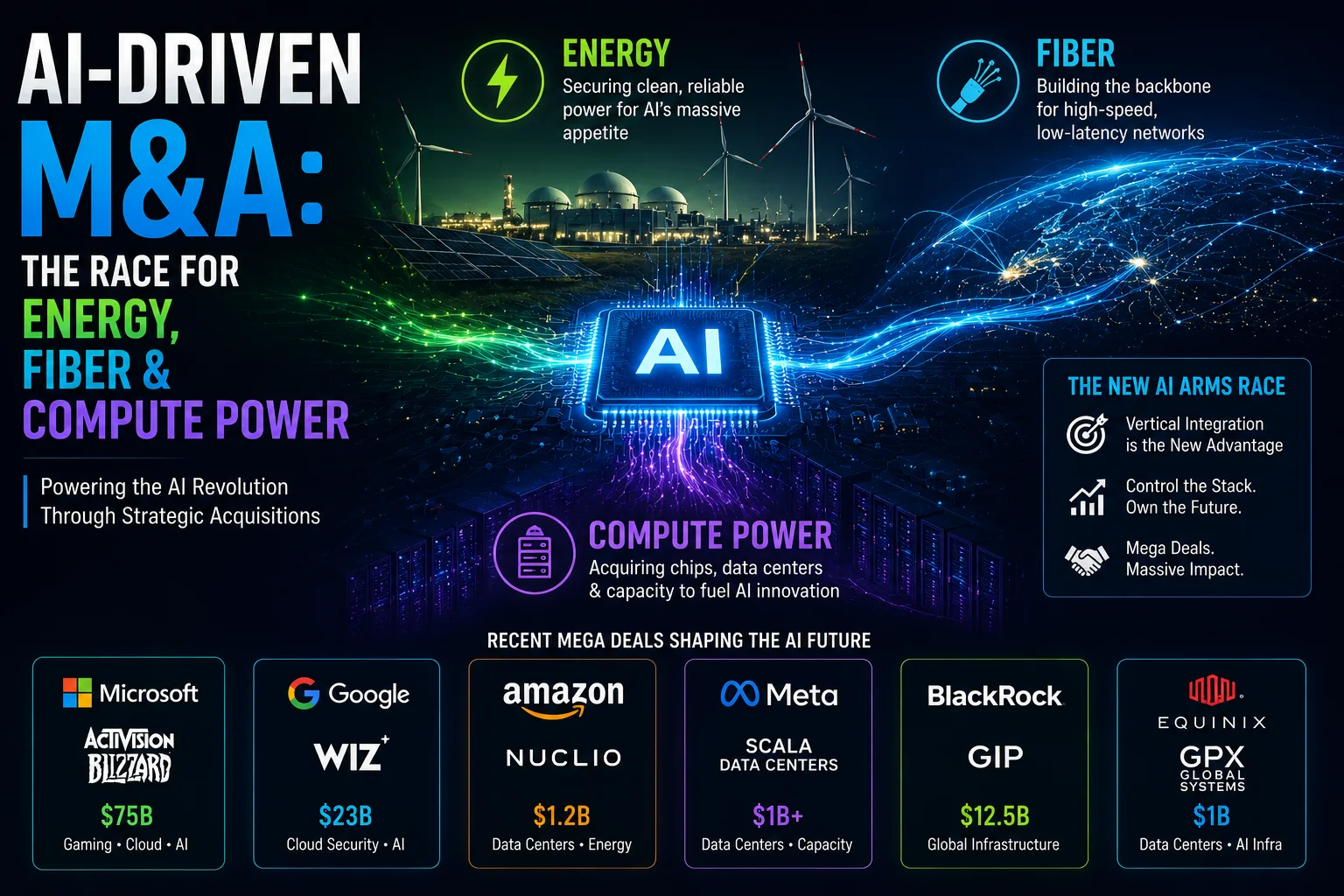
Look, the AI hype isn’t just about chatbots and image generators any more. It’s turned into a full‑blown scramble for the physical resources that make large‑scale models possible. Companies that own cheap electricity, miles of fiber or massive GPU farms are suddenly the hottest targets on Wall Street.
What’s really happening?
In the past 12 months, we’ve seen more than $30 billion change hands in AI‑related deals. The biggest chunk isn’t buying the algorithms – it’s buying the infrastructure that powers them.
Energy: Power‑hungry models like GPT‑4 can sip up to 30 MW for a single training run. That’s why utilities and renewable‑energy firms are being snapped up by tech giants. Think of the Microsoft‑Activision deal – the real value is the ability to run massive AI workloads on Microsoft’s own green‑energy farms across the US.
Fiber & connectivity: Training data needs to travel fast. Companies that own dark‑fiber or have exclusive back‑haul agreements are becoming acquisition magnets. A recent $5 billion buy‑out of a European fiber‑operator by a Chinese AI consortium is a classic example.
Compute capacity: Owning the chips is one thing, but having the data‑center real‑estate to house them is another. Nvidia’s recent stake in a sovereign cloud provider gives it direct access to a global network of hyperscale racks – a move that bypasses the traditional cloud‑provider pricing model.
Numbers that matter
- AI‑related M&A volume up 180% YoY.
- Average deal size for infrastructure‑focused acquisitions: $2.1 billion.
- Energy‑intensive AI workloads now account for ~12% of total US data‑center power consumption.
Impact on India
India’s tech landscape is feeling the tremors. The country has three big levers:
- Power cost: With electricity rates still high in many states, Indian startups are forced to locate compute farms in Gujarat or Tamil Nadu where renewable tariffs are lower. Expect more M&A activity where power‑cheap zones intersect with existing data‑center parks.
- Fiber rollout: Jio’s 5G‑ready fiber network is now a strategic asset. Global AI firms are already in talks with Indian telcos to secure low‑latency back‑haul for training data pipelines.
- Compute talent: India produces over 1.5 million engineering grads a year. Multinationals are buying Indian AI labs not just for IP but to tap this talent pool and set up local compute hubs.
TamilTech‑ஓட கருத்து
Honestly, this frenzy is a double‑edged sword for us. On one hand, more money flowing into Indian data‑centers means better jobs, cheaper cloud rates and faster internet for the average user. On the other hand, if the biggest players lock down the cheap power‑grid and fiber, smaller startups might find it harder to compete.
Our take? The smart move for Indian founders is to partner early with regional power producers or to spin‑off mini‑edge‑compute nodes that sit close to the end‑user. Think of a “compute‑as‑a‑service” model that leverages local solar farms – it’s a win‑win for cost and sustainability.
What’s next?
Expect three trends to dominate the next 12 months:
- Vertical integration: Big AI firms will keep buying power‑plants, fiber‑co’s and even battery manufacturers to lock in supply.
- Regulatory push: Governments (including India) will start scrutinising these deals for anti‑competitive behaviour, especially around energy pricing.
- Hybrid‑cloud ecosystems: Companies will blend public cloud with private, power‑optimized clusters – a model that could level the playing field for midsize Indian players.
Bottom line: The AI boom is no longer just a software story. It’s a race for the bricks‑and‑mortar that keep the algorithms humming. If you’re a founder, investor or even a tech‑savvy consumer, keep an eye on who owns the wires, the watts and the racks – that’s where the real power lies.




Comments (0)
Be the first to comment!