


What’s the buzz?
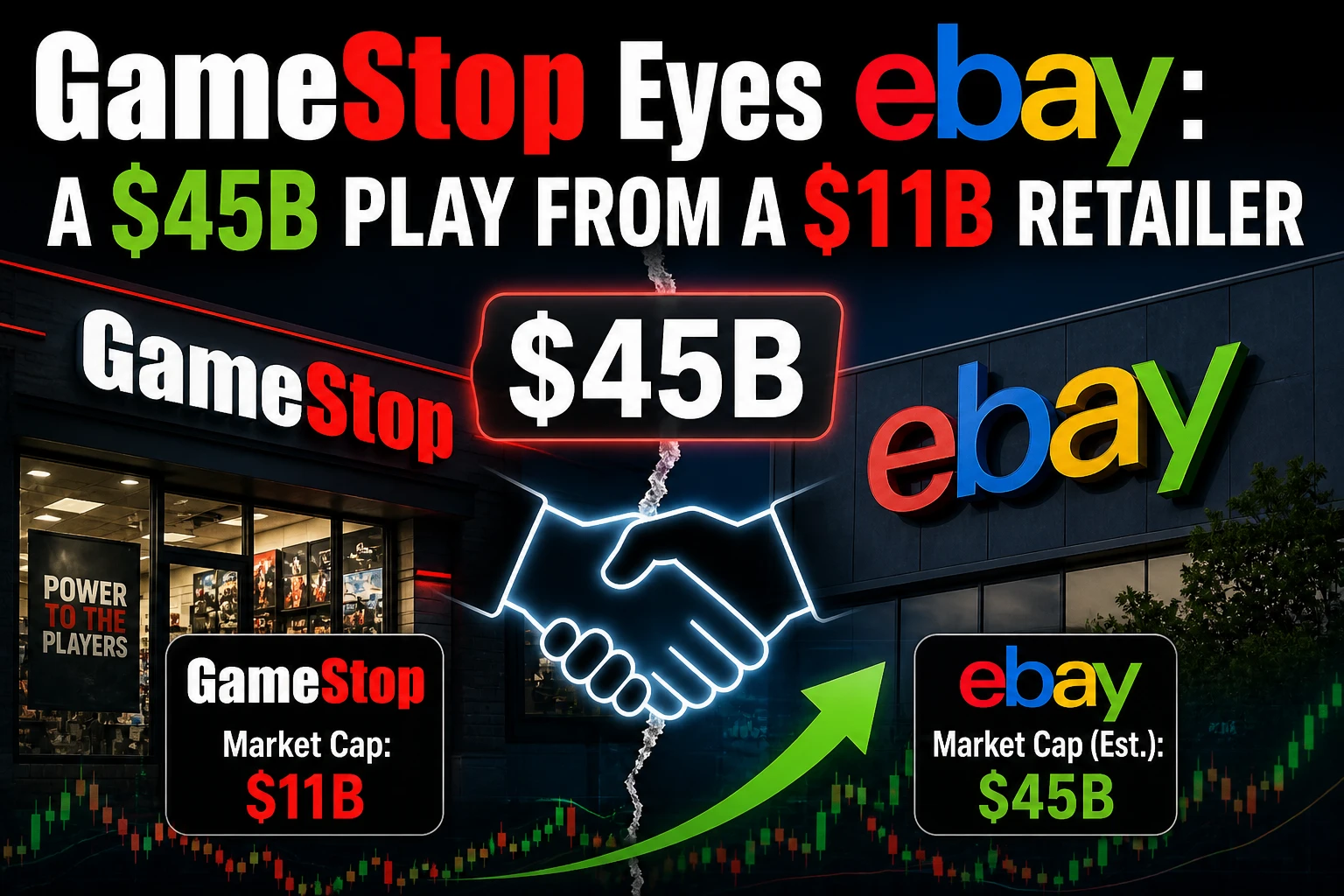
GameStop, the US‑based video‑game retailer that made headlines last year for its meme‑stock frenzy, is now setting its sights on something far bigger – eBay. Sources say the company has been quietly buying shares in the online auction giant and could be preparing an offer that would value eBay at roughly $45 billion.
Numbers at a glance
As of May 1, GameStop’s market cap sat around $11 billion. eBay, by contrast, floats at about $45 billion. That means GameStop would need to raise roughly four times its current valuation to pull off a full‑scale acquisition. The plan, however, might start with a partial stake that gives GameStop a board seat and a say in strategic direction.
Why would a $11 B retailer chase a $45 B marketplace?
GameStop’s core business – physical game stores – is shrinking fast. The pandemic accelerated the shift to digital downloads, and younger gamers now prefer streaming services over brick‑and‑mortar shelves. To survive, GameStop is hunting for a digital platform that can diversify revenue streams.
eBay offers exactly that: a global marketplace with a strong foothold in used goods, collectibles, and niche hobby items – categories where GameStop already has expertise. Think of it as a natural extension: GameStop could become the go‑to curator for gaming memorabilia on eBay, while leveraging eBay’s logistics and payment infrastructure.
Strategic fit – the synergy angle
Imagine a scenario where GameStop runs a dedicated “Gaming & Collectibles” storefront on eBay, complete with verified seller badges, exclusive drops, and community‑driven events. The partnership could bring:
- Cross‑sell opportunities: eBay buyers looking for retro consoles could be nudged to GameStop’s refurbishment program.
- Data sharing: GameStop would gain access to eBay’s buyer insights, helping it tailor inventory and marketing.
- Cost efficiencies: Shared fulfillment centers could lower shipping costs for both parties.
In India, where online marketplaces dominate retail, such a move could open a new channel for Indian gamers to sell and buy rare hardware without relying on local classifieds or WhatsApp groups.
How this could impact Indian users
eBay already has a presence in India, but its market share is dwarfed by Amazon and Flipkart. A GameStop‑backed eBay could bring fresh inventory, especially in the gaming segment – think of used PlayStation 5 consoles, limited‑edition NFTs, and vintage arcade cabinets.
For Indian sellers, this could mean:
- Better pricing: With GameStop’s brand credibility, sellers might fetch higher prices for premium items.
- Improved logistics: eBay’s partnership with local courier services plus GameStop’s refurbishment hubs could speed up delivery.
- Secure transactions: GameStop’s experience with high‑value collectibles could introduce stricter authentication, reducing fraud.
TamilTech’s take – is this a smart play?
We think the gamble is bold but risky. On one hand, GameStop is betting on a sector it knows – gaming collectibles – and pairing it with a platform that already handles millions of transactions. On the other hand, pulling off a $45 billion deal would require massive financing, possibly diluting existing shareholders or taking on heavy debt.
From an Indian perspective, the biggest upside is the potential for a more robust secondary market for gaming gear. Right now, many Indian gamers resort to Facebook Marketplace or local pawn shops, where authenticity is a guessing game. A GameStop‑eBay combo could bring a trusted layer of verification, much like what Flipkart’s ‘Verified Seller’ badge does for electronics.
What could go wrong?
Regulatory hurdles are a real concern. Cross‑border M&A of this size attracts scrutiny from the US FTC and the EU’s competition authorities. If the deal stalls, GameStop could be left with a costly stake that doesn’t translate into board influence.
Also, eBay’s own performance has been flat for years. Turning around a mature marketplace requires fresh product innovation – something GameStop isn’t historically known for.
What’s next?
We’ll likely see a formal tender offer in the next 30‑45 days, followed by a flurry of shareholder votes. Keep an eye on any SEC filings – they’ll reveal the exact stake GameStop already holds.
If the deal goes through, expect a re‑branding of eBay’s gaming sections, new “GameStop Verified” seller programs, and perhaps a loyalty program that lets Indian users earn points for every purchase, redeemable for in‑game credits.
Bottom line
GameStop is trying to rewrite its story from a dying brick‑and‑mortar chain to a digital marketplace player. Whether it succeeds will depend on financing, regulatory approval, and how quickly it can integrate eBay’s tech stack. For Indian gamers and sellers, the potential upside – a safer, more specialized marketplace – is worth watching.

Comments (0)
Be the first to comment!