


What’s the news?
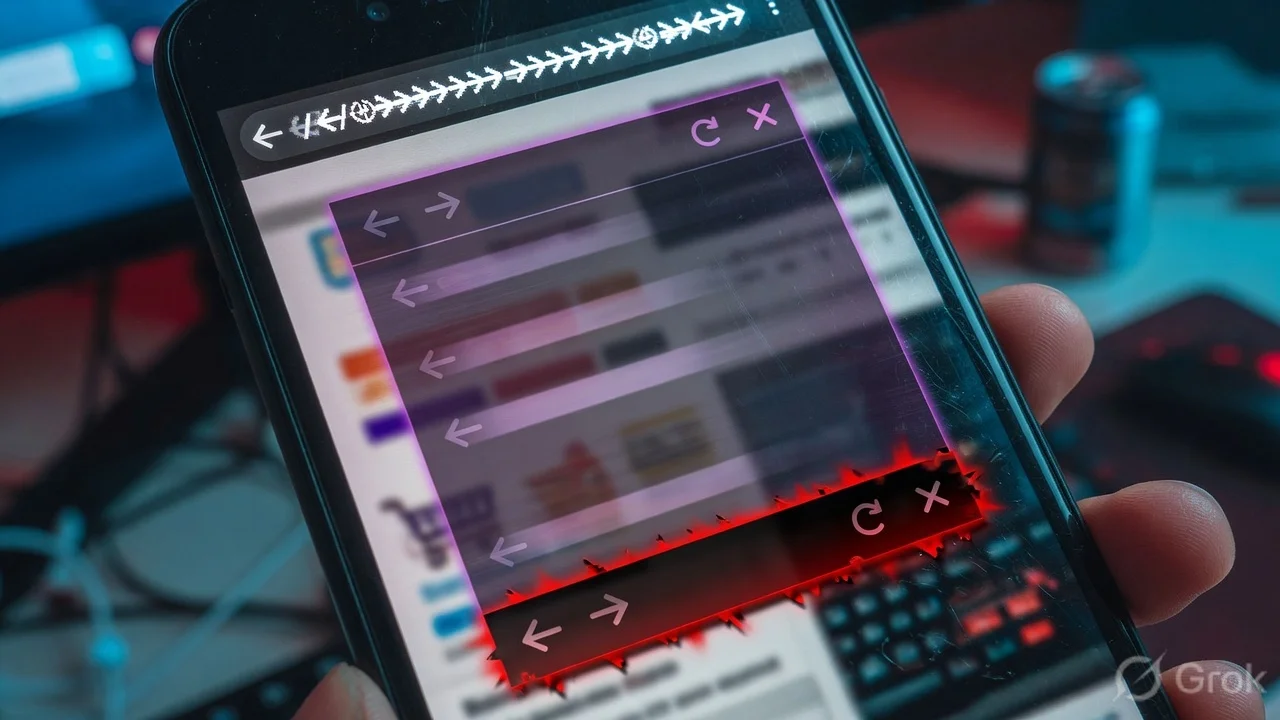
Google just announced that it will consider "back‑button hijacking" a malicious practice. Starting June 15, any website that interferes with the browser’s native back function could be hit with a ranking penalty in Google Search.
How does back‑button hijacking work?
In simple terms, a site adds a tiny script that catches the popstate or onbeforeunload events and then forces a redirect, a pop‑up or a full‑screen overlay when you try to go back. The result? You hit the back button and instead of returning to the previous page you get stuck on the same site or are sent to an unwanted ad page.
Why is Google cracking down?
Google’s Search quality team says this behaviour tricks users, inflates bounce‑rates and creates a poor browsing experience – exactly the kind of spam they’ve been fighting for years. The move aligns with the Search Quality Rater Guidelines that already list “deceptive redirects” as a negative signal.
What will change on June 15?
From that date the algorithm will add a specific signal for sites that manipulate the back button. If the signal is detected, the site’s pages could be demoted in the SERPs, meaning they’ll appear lower or disappear from the first page altogether.
How does Google detect it?
Google’s crawler now runs a headless Chrome instance that actually clicks the back button during a crawl. If the page blocks the navigation or instantly redirects, the crawler flags the page as “back‑button hijack”. The same logic applies to mobile‑first indexing – so even if you only have a mobile site, the same penalty applies.
Impact for Indian web owners
India has a huge number of small e‑commerce and affiliate sites that rely on aggressive ad‑tech. Many of them use back‑button tricks to keep users on the page longer and boost ad impressions. If they get penalised, traffic could drop 30‑50 % overnight, directly hitting revenue.
On the flip side, legitimate sites that use smooth single‑page applications (SPAs) but still respect the native back navigation won’t be affected. In fact, adhering to Google’s guidance could become a ranking advantage as user‑experience signals become more important.
What should Indian webmasters do right now?
- Audit your site for any
onpopstate,beforeunloadorhashchangelisteners that force redirects. - If you use a third‑party ad network, check their script policies – many ad providers bundle back‑button hijack scripts.
- Test manually: open a page, press back and see if you’re redirected. If yes, remove or replace that code.
- Use Google Search Console’s “Core Web Vitals” and “URL Inspection” tools – they now surface a “Back‑Button Hijack” warning if detected.
- Consider adding a fallback link in your UI that explicitly says “Go back” and uses
history.back()only after user confirmation.
TamilTech’s take
We think Google is finally drawing a line in the sand. Users in Tamil Nadu and across India have been shouting about annoying back‑button pop‑ups for years. This move forces site owners to clean up their code and focus on genuine UX.
For developers, it’s a good excuse to review old JavaScript snippets that were copy‑pasted from shady forums. For marketers, it means re‑thinking short‑term ad tricks that sacrifice long‑term SEO.
What’s next?
Google will likely roll out a dashboard in Search Console where you can see the exact pages flagged. Expect more guidance on “acceptable redirects” and maybe even a “re‑consideration request” flow for sites that fix the issue.
In the meantime, keep an eye on your analytics – a sudden dip around mid‑June could be the first sign of the penalty kicking in.





Comments (0)
Be the first to comment!