


Key Takeaways
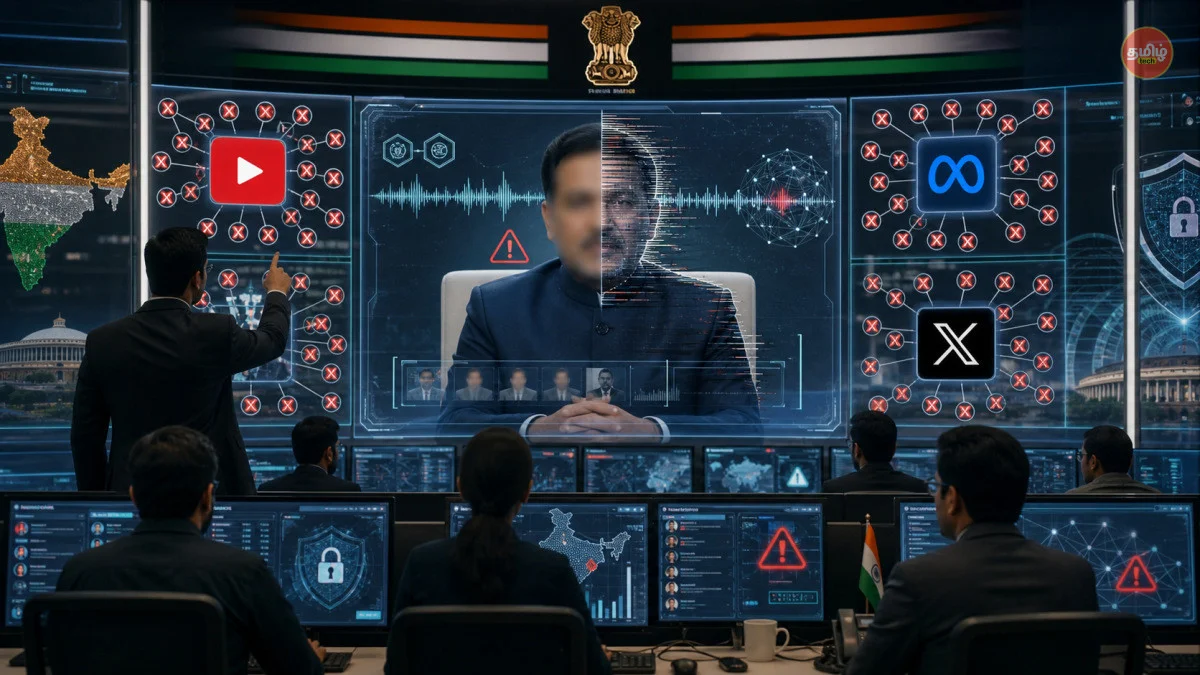
- The Ministry of Electronics and IT (MeitY) has issued emergency blocking orders for over 45 links across X, YouTube, and Meta featuring a deepfake of Piyush Goyal.
- The fraudulent video used AI voice cloning to trick users into a fake 'high-return' investment scheme, appearing as if the Minister was endorsing it.
- Under the updated 2026 Digital India Act regulations, platforms must remove such deepfake content within 12 hours of being notified.
- TamilTech recommends verifying any celebrity or minister endorsement through official verified handles before clicking any financial links.
The Deepfake Threat Hits a New High
So, here is the thing — we all knew AI was getting good, but what happened this week is a massive wake-up call for everyone in India. A highly sophisticated AI-generated deepfake video of Union Minister Piyush Goyal started circulating on social media. It wasn't just a simple face-swap; the AI voice cloning was so precise that even people who follow the Minister regularly were almost fooled. The video showed him supposedly giving 'expert' advice on a new investment platform that promised to double your money in weeks. It’s the classic scam, but with a high-tech coat of paint that makes it look incredibly authentic.
As soon as the video went viral, the government swung into action. This isn't just about one minister; it’s about how easily public trust can be manipulated in 2026. If a high-ranking official can be 'cloned' to sell a scam, imagine what could happen during elections or a financial crisis. The speed at which these videos spread is terrifying, and honestly, the technology to create them is now available to anyone with a decent GPU and a bit of time. This is why the government had to step in and flex its regulatory muscles to stop the spread before more people lost their hard-earned money.
How the Government Handled the Removal
The Ministry of Electronics and Information Technology (MeitY) didn't waste any time. They used their emergency powers under the IT Act to send out notices to all major social media giants. We are talking about X (formerly Twitter), Meta (Facebook and Instagram), and Google (YouTube). The order was clear: take down every single link, re-upload, and mirror of that specific deepfake video. By Wednesday evening, most of the primary links were dead, but as we know, the internet is like a Hydra — you cut off one head, and two more pop up elsewhere. The government is now using automated crawlers to track and kill any new versions of the video that appear.
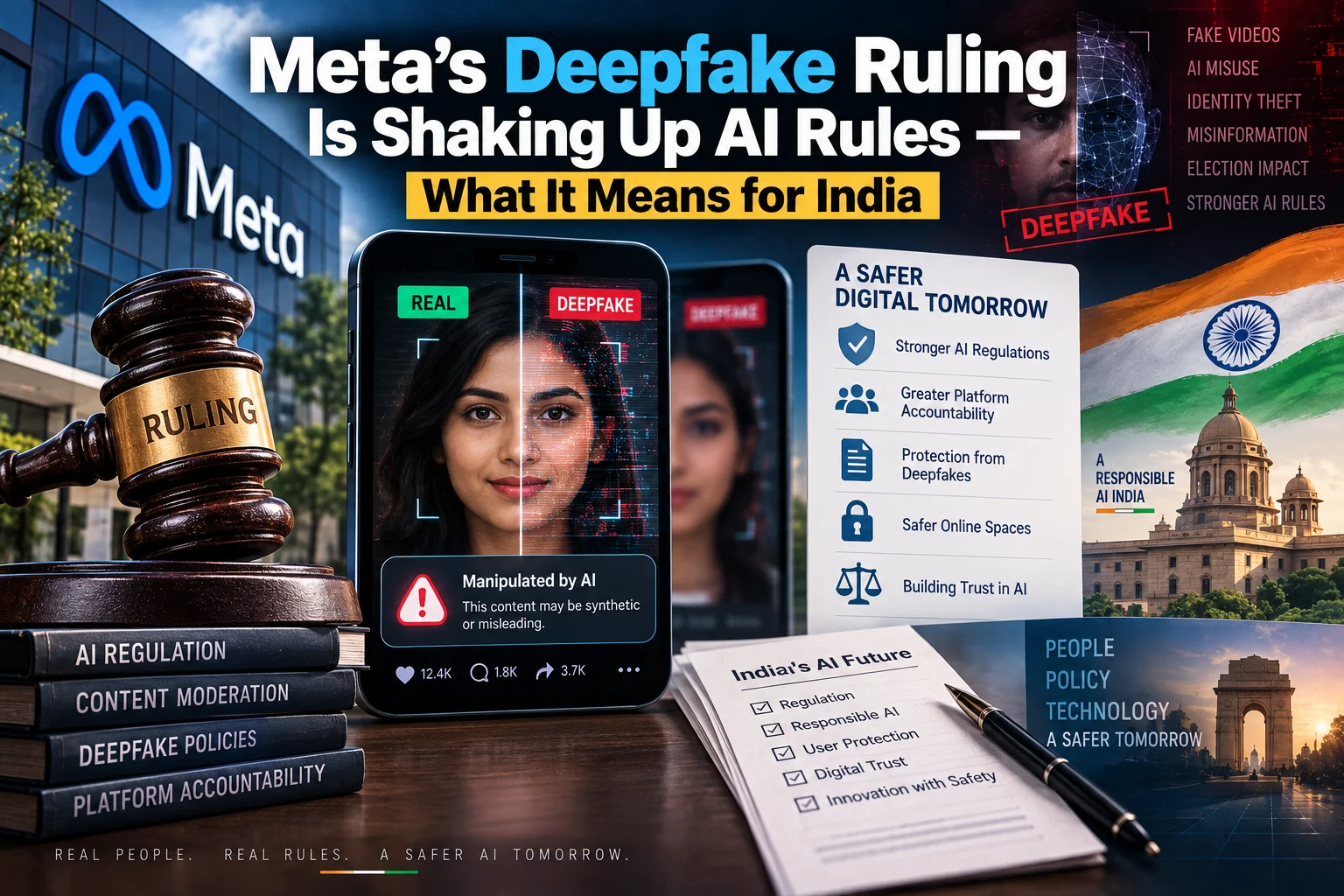
What’s interesting is the response from the platforms. In 2026, the rules are much stricter than they were two years ago. Platforms can no longer hide behind the 'intermediary' tag if they don't act fast. They have a 12-hour window to comply with government takedown orders regarding deepfakes of public figures. If they fail, they risk losing their safe harbor protection, which basically means they could be held legally responsible for the content posted by users. This pressure is why we saw such a rapid cleanup this time around compared to previous incidents.
The Tech Behind the Scam: AI Voice Cloning & RVC
How did they make it look so real? The scammers used a combination of high-resolution video manipulation and RVC (Retrieval-based Voice Conversion). RVC is a technology that only needs about 30 seconds of a person's real voice to create a perfect digital clone. Since Union Minister Piyush Goyal has hundreds of hours of speeches available online, the scammers had a goldmine of data to train their AI models. They mapped his voice patterns, tone, and even his specific way of pausing between sentences to make the fake investment pitch sound natural.
On the visual side, they used 'Lip-Sync' AI models that can take an existing video of a person and change the mouth movements to match a new audio track perfectly. This is why when you watch the video, it doesn't look like a cheap edit. The lighting, the shadows on the face, and the background all look 100% legitimate. This level of 'Generative AI' is what makes 2026 a very dangerous year for digital misinformation. We are at a point where your eyes and ears can no longer be trusted blindly when you are scrolling through your feed.
The Impact on India and New Regulations
This incident has pushed the Indian government to fast-track the 'Deepfake Accountability Bill' which has been in the works. Currently, the Digital India Act of 2026 already has provisions for this, but the government wants even harsher penalties. We are looking at potential fines of up to ₹50 lakhs for individuals who intentionally create and circulate deepfakes meant to defraud the public. For the average user in India, this means the government is finally taking 'Digital Hygiene' seriously.
Moreover, the 'Chakshu' portal on the Sanchar Saathi website is being upgraded. If you see a suspicious video of a celebrity or a politician asking for money or giving weird advice, you can report it there instantly. The government's AI-powered backend will then verify it against known deepfake patterns. It’s a cat-and-mouse game, but at least the infrastructure is being built to protect the 900 million internet users we have in India today. If you are using UPI or any digital payment app, you are a target for these AI scams.
How to Spot a Deepfake in 2026
Even though the tech is good, it’s not perfect. Here is how you can protect yourself. First, look at the eyes. AI still struggles with realistic blinking patterns. If the person in the video doesn't blink naturally or if their eyes look a bit 'glassy,' it’s a red flag. Second, check the edges of the mouth and the chin. When the person speaks, do the movements look too smooth or slightly blurry? That’s usually where the AI stitching happens. In the Piyush Goyal video, the sync was good, but the emotional tone didn't match the words — he sounded too 'robotic' for someone giving exciting investment news.
Another big tip: always check the source. Did the official handle of the Minister post it? If it’s coming from an account like 'IndiaWealthTips99' with a blue tick that was bought for ₹600, it’s a scam. In 2026, a blue tick means nothing; only the 'Grey Tick' for government officials and 'Gold Tick' for companies are somewhat reliable. If a video asks you to join a Telegram group or click a link for 'guaranteed returns,' it is 100% a fake, no matter who is in the video.
TamilTech’s Take: The Future of Truth
Look, we love technology here at TamilTech, but AI deepfakes are the dark side of the coin. The fact that the government had to step in to remove a Minister's deepfake shows that nobody is safe. Our honest take? We are entering an era where 'seeing is NOT believing.' You need to be your own fact-checker. Before you even think about sharing a video or, worse, putting your money into something you saw on a reel, take five minutes to search for it on a news site like ours or an official government portal.
What can we expect next? We think the next wave of scams will be even more personal — AI clones of your friends or family calling you on WhatsApp video to ask for money. The Piyush Goyal case is just the tip of the iceberg. The government is doing its part by removing links, but the real defense is your awareness. Stay skeptical, stay updated with our articles, and never let a 'too good to be true' offer cloud your judgment. Technology should work for us, not trick us.


Comments (0)
Be the first to comment!