


Key Takeaways
- L&T's Rs 15,000 crore partnership with Nvidia represents one of India's largest semiconductor investments to date
- The deal positions L&T as a key player in India's semiconductor ecosystem, potentially sidelining smaller E2E companies
- This strategic move could accelerate India's push for semiconductor manufacturing and reduce import dependence
- The partnership focuses on developing indigenous semiconductor capabilities rather than just assembling foreign chips
- Industry experts suggest this could reshape the competitive landscape for electronics manufacturing in India
What's the news?
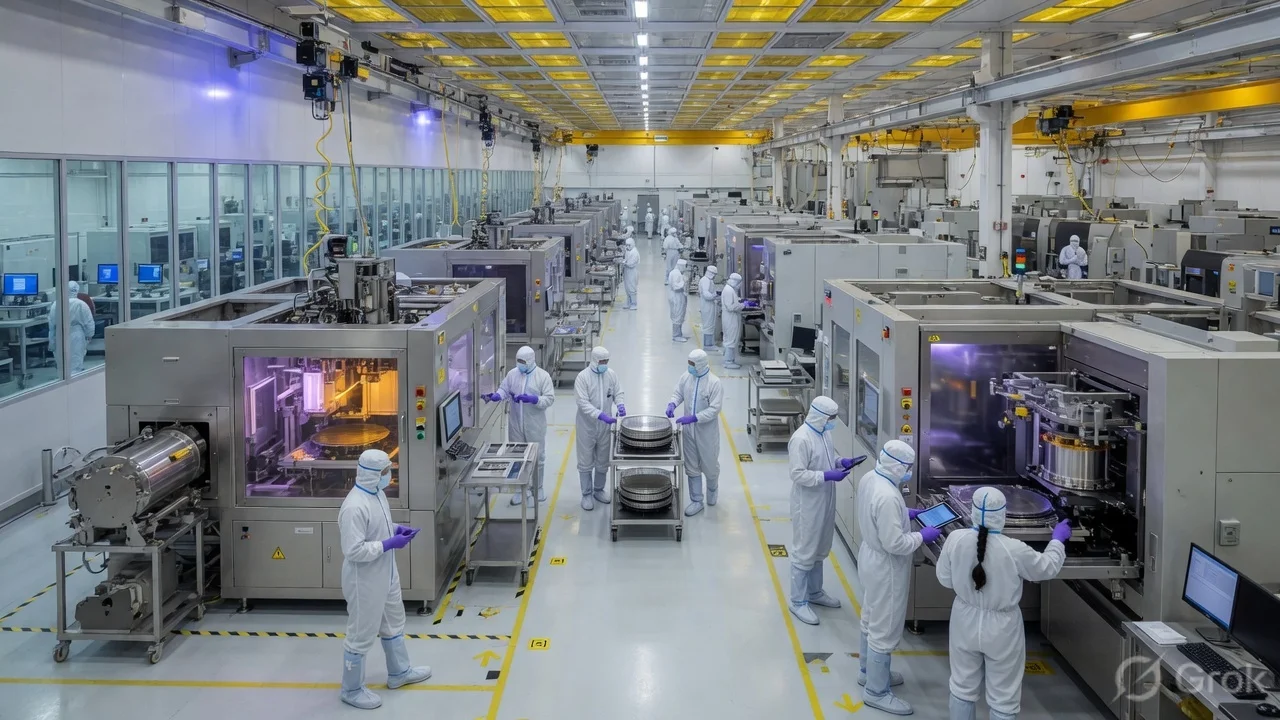
In a move that's sending ripples through India's electronics manufacturing sector, Larsen & Toubro (L&T) has announced a staggering Rs 15,000 crore partnership with Nvidia. This isn't just another corporate deal – it's essentially L&T putting its money where its mouth is when it comes to India's semiconductor ambitions. The engineering giant is essentially betting big that India can become a serious player in the global semiconductor game, and they're bringing Nvidia, one of the world's most valuable chip companies, along for the ride.
For context, that's roughly $180 million USD, or about 1.8 billion in today's currency. In a country where most tech companies are still figuring out their AI strategies, L&T is going all-in with one of the biggest names in silicon. The partnership reportedly aims to develop indigenous semiconductor capabilities, with L&T leveraging its manufacturing prowess while Nvidia brings the chip design expertise. It's the kind of collaboration that could either catapult India into the semiconductor big leagues or leave a trail of smaller players wondering what hit them.
Details
The partnership between L&T and Nvidia isn't just about slapping some Nvidia chips together in an L&T facility. From what we can gather, this is a deep, strategic alliance that goes far beyond typical vendor-supplier relationships. L&T is bringing its decades of engineering expertise and manufacturing infrastructure to the table, while Nvidia is providing access to cutting-edge chip design technologies and AI capabilities.
What's particularly interesting is that this isn't just about assembling foreign chips in India – which is what many electronics companies have been doing. Instead, L&T and Nvidia are reportedly working on developing indigenous semiconductor solutions that could serve both domestic and international markets. This includes everything from chip design to fabrication and testing capabilities.
The deal also reportedly includes provisions for skill development and technology transfer, which could help build India's semiconductor talent pool. Given L&T's extensive experience in complex manufacturing projects – from defense equipment to power plants – they're uniquely positioned to handle the precision and scale required for semiconductor manufacturing.
India impact
This partnership couldn't come at a more crucial time for India's semiconductor ambitions. With the global chip shortage still fresh in everyone's minds and geopolitical tensions making countries rethink their supply chain dependencies, India has been pushing hard to become a semiconductor hub. The government's India Semiconductor Mission, with its Rs 76,000 crore incentive package, has been trying to attract investment, but deals of this scale are relatively rare.
For the broader Indian tech ecosystem, this move sends a strong signal that Indian companies can compete at the highest levels of the semiconductor value chain. It's not just about low-cost assembly anymore – it's about design, innovation, and creating value domestically. This could potentially create a ripple effect, encouraging other Indian conglomerates to make similar investments or partnerships.
However, there's a darker side to this story. Smaller electronics manufacturers, particularly those in the E2E (Electronics to Electronics) segment, are likely feeling the pressure. These companies have been struggling to keep up with rapid technological changes and increasing competition. L&T's massive investment with Nvidia could potentially create a new power dynamic in the industry, where smaller players find it harder to compete for talent, resources, and market attention.
Use cases
The L&T-Nvidia partnership opens up several exciting possibilities for India's technology landscape. In the automotive sector, which is rapidly electrifying, indigenous semiconductor solutions could help reduce the cost of electric vehicles and make them more accessible to Indian consumers. The partnership could also accelerate the development of smart mobility solutions tailored for Indian conditions.
In the defense sector, where India has been pushing for self-reliance, indigenous semiconductor capabilities could reduce dependence on foreign suppliers. This is particularly crucial given the increasing complexity of modern defense systems and the need for secure, reliable components.
For the broader consumer electronics market, this partnership could eventually lead to more affordable smartphones, laptops, and other devices with locally designed chips. While this might not happen overnight, the long-term vision includes creating a domestic semiconductor ecosystem that serves various industries.
The AI and data center market is another area where this partnership could make waves. With Nvidia's expertise in AI chips and L&T's manufacturing capabilities, India could potentially become a hub for AI-powered solutions, both for domestic use and export.
Honest take
Look, let's be real here – this is both exciting and concerning for different stakeholders in the Indian tech ecosystem. On one hand, seeing an Indian engineering giant like L&T go all-in with a company like Nvidia is genuinely inspiring. It shows that Indian companies aren't just content with being service providers or assemblers anymore – they want to be creators and innovators.
The scale of the investment is also impressive. Rs 15,000 crore is serious money, and the fact that L&T is willing to put it behind semiconductor development speaks volumes about their confidence in India's capabilities. This could genuinely accelerate India's journey toward semiconductor self-reliance.
But let's not kid ourselves – this move is going to be tough on smaller players. The E2E companies that have been trying to find their footing in India's complex electronics market are now facing a Goliath with a technological advantage. Some might get acquired, others might pivot to niche areas, but many are likely to struggle.
What's particularly concerning is the talent aspect. Semiconductor talent is scarce globally, and even more so in India. L&T and Nvidia's partnership could create a talent war that smaller companies simply can't win. This could lead to a consolidation in the industry, where a few big players dominate while smaller innovators get squeezed out.
Ultimately, whether this is a net positive or negative for India's tech ecosystem will depend on how it plays out. If the partnership leads to genuine technology transfer and skill development, and if smaller players find ways to collaborate or specialize, then it could be a win-win. But if it just leads to market consolidation and talent hoarding, then we might be looking at a less diverse, less innovative tech landscape in the long run.
FAQs
Q: How does this partnership affect India's semiconductor ambitions?
A: This Rs 15,000 crore partnership between L&T and Nvidia is one of India's largest semiconductor investments to date. It signals serious intent from an Indian conglomerate to move beyond just chip assembly toward indigenous chip design and manufacturing, potentially accelerating India's journey toward semiconductor self-reliance.
Q: What challenges might smaller E2E companies face because of this?
A: Smaller electronics manufacturers could face increased competition for talent, resources, and market share. The partnership creates a new power dynamic in the industry, potentially leading to market consolidation where smaller players either get acquired or struggle to compete.
Q: What sectors could benefit most from this partnership?
A: Several sectors could benefit, including automotive (especially electric vehicles), defense, consumer electronics, and AI/data centers. The partnership could help reduce costs in these sectors while improving technological capabilities.
Q: How realistic is India's goal of becoming a semiconductor hub?
A: While challenging, India's semiconductor ambitions are becoming more realistic with deals like this. The combination of government support through initiatives like the India Semiconductor Mission and private sector investments like L&T's shows serious momentum, though the journey is still long and complex.
Q: What's the timeline for seeing tangible results from this partnership?
A: Semiconductor development typically takes years, not months. While some initial collaborations might show results in 2-3 years, building a full semiconductor ecosystem with design, fabrication, and testing capabilities could take 5-10 years. The partnership is likely a long-term play rather than a quick win.




Comments (0)
Be the first to comment!