


Key Takeaways
- IT Panel Chief Nishikant Dubey has officially demanded a personal apology from Meta CEO Mark Zuckerberg.
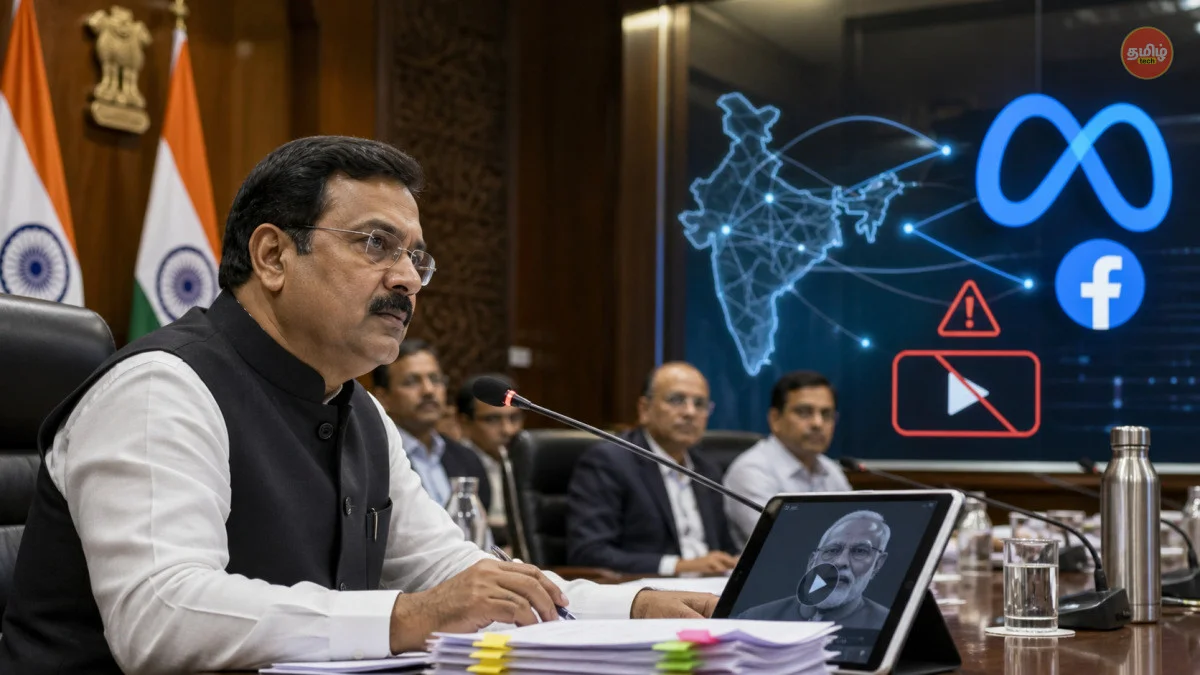
- The controversy erupted after Facebook's automated moderation systems removed a video featuring PM Modi, citing policy violations.
- The Indian government views this as an infringement on digital sovereignty and an insult to the nation's leadership.
- Meta claims the removal was a technical error, but the IT committee is pushing for stricter accountability under the 2026 Digital India Act.
The Big Tech vs. Indian Government Clash of 2026
The tension between Big Tech giants and the Indian government has reached a boiling point this year. In a move that has sent shockwaves through the tech industry, Nishikant Dubey, the Chairperson of the Parliamentary Standing Committee on Information Technology, has openly demanded that Meta CEO Mark Zuckerberg issue a formal apology to India. This isn't just about a single video; it's about who really holds the power in the digital landscape of 2026. For months, we've seen Meta, Google, and X (formerly Twitter) navigating the complex maze of India's updated IT laws, but this latest incident has turned a policy debate into a full-blown diplomatic and political standoff.
The issue started when a significant video featuring Prime Minister Narendra Modi was suddenly pulled down from Facebook. While Meta later restored the video claiming it was an "automated error," the IT panel isn't buying it. At TamilTech, we've been tracking these platform-government interactions for years, and this feels different. It’s no longer about whether the content was right or wrong; it’s about the fact that an algorithm, likely trained in the West, decided to censor the head of state of the world’s largest democracy. This has triggered a massive debate about algorithmic bias and the lack of human oversight in content moderation for the Indian context.
How Did We Get Here? The Removal and the Backlash
To understand why Nishikant Dubey is so fired up, we need to look at the specifics. The video in question was a high-profile address concerning national security and India’s technological self-reliance. Within hours of being posted, Facebook’s AI systems flagged it and took it down. Users who tried to share it were met with a message saying the content violated "community standards." This immediately raised red flags in New Delhi. How can a speech by the Prime Minister violate community standards? The IT panel chief argues that this isn't just a glitch; it's a sign of deep-seated systemic bias within Meta's moderation team.
Nishikant Dubey’s argument is straightforward: if Meta wants to operate in India and profit from its 500 million+ users here, it must respect the country's constitutional authorities. He stated that a mere "technical error" explanation from a spokesperson is not enough. He wants Zuckerberg himself to acknowledge the lapse. This demand for a personal apology from a global CEO is a bold move, reflecting India's growing confidence in regulating the digital space in 2026. The IT committee has summoned Meta officials multiple times this year, but this is the first time the demand has been so direct and high-level.
The Algorithm Problem: Why AI Moderation is Failing in India
Let’s talk tech for a second. At TamilTech, we always say that AI is only as good as the data it’s trained on. Most of Meta’s content moderation algorithms are developed with a Western-centric worldview. In 2026, even with advanced LLMs and multimodal AI, these systems often fail to grasp the nuance of Indian political discourse, regional languages, and the context of official government communications. When the system sees certain keywords or high-engagement patterns, it might incorrectly trigger a "spam" or "misinformation" flag. This is likely what happened with the PM's video.
However, the Indian government's point is that for a company with the resources of Meta, "oops, the AI did it" is no longer an acceptable excuse. Under the Digital India Act of 2026, platforms are required to have robust human-in-the-loop systems for high-profile accounts. The fact that an automated system could override an official broadcast shows a massive gap in Meta's compliance framework. We think it’s high time these platforms localized their moderation logic. You can't apply the same filter to a video from a random user and a national address from the Prime Minister's Office without expecting some serious blowback.
The India Impact: New Rules for Big Tech in 2026
What does this mean for you, the average user in India? Well, this incident is going to accelerate the implementation of even stricter digital laws. We are already seeing talks about a "Sovereign Moderation Council" where the Indian government might have the final say on content appeals. While this sounds good for preventing the removal of official content, it also raises concerns about free speech for the common man. If the government gains more control over what Meta can or cannot remove, the digital landscape could change drastically by the end of this year.
Moreover, this pressure on Mark Zuckerberg is a message to all other platforms. Whether it's Apple’s App Store policies or Google’s search algorithms, the message is clear: "India First." We expect to see more localized data centers and more Indian engineers being hired specifically to handle content moderation. For the tech industry in India, this could mean more jobs in the compliance and policy sectors, but for the platforms, it means significantly higher operational costs. If you use Facebook or Instagram daily, don't be surprised if you see more "Government Fact-Checked" labels or local disclaimers appearing on your feed soon.
TamilTech's Honest Take: Is an Apology Necessary?
So, what do we think at TamilTech? Honestly, demanding an apology from Zuckerberg might seem like a bit of political theater, but it highlights a very real issue. Big Tech has had a "move fast and break things" attitude for too long. When you "break" the digital presence of a country's leader, you have to expect consequences. Meta needs to realize that India isn't just a market; it's a digital superpower in its own right in 2026. A technical glitch is a valid explanation, but it’s not a valid excuse for a company of this scale.
On the other hand, we also need to be careful. If we push too hard for government control over moderation, we might lose the neutral ground that social media is supposed to provide. The balance between national pride and digital freedom is a tightrope walk. We believe Meta should definitely improve its transparency—showing exactly why a video was flagged and who (or what) made the final decision. An apology might soothe the political ego, but a change in the algorithm is what will actually solve the problem. Stay tuned to TamilTech, because this battle between the IT Panel and Meta is far from over!

Comments (0)
Be the first to comment!