


What’s the buzz?
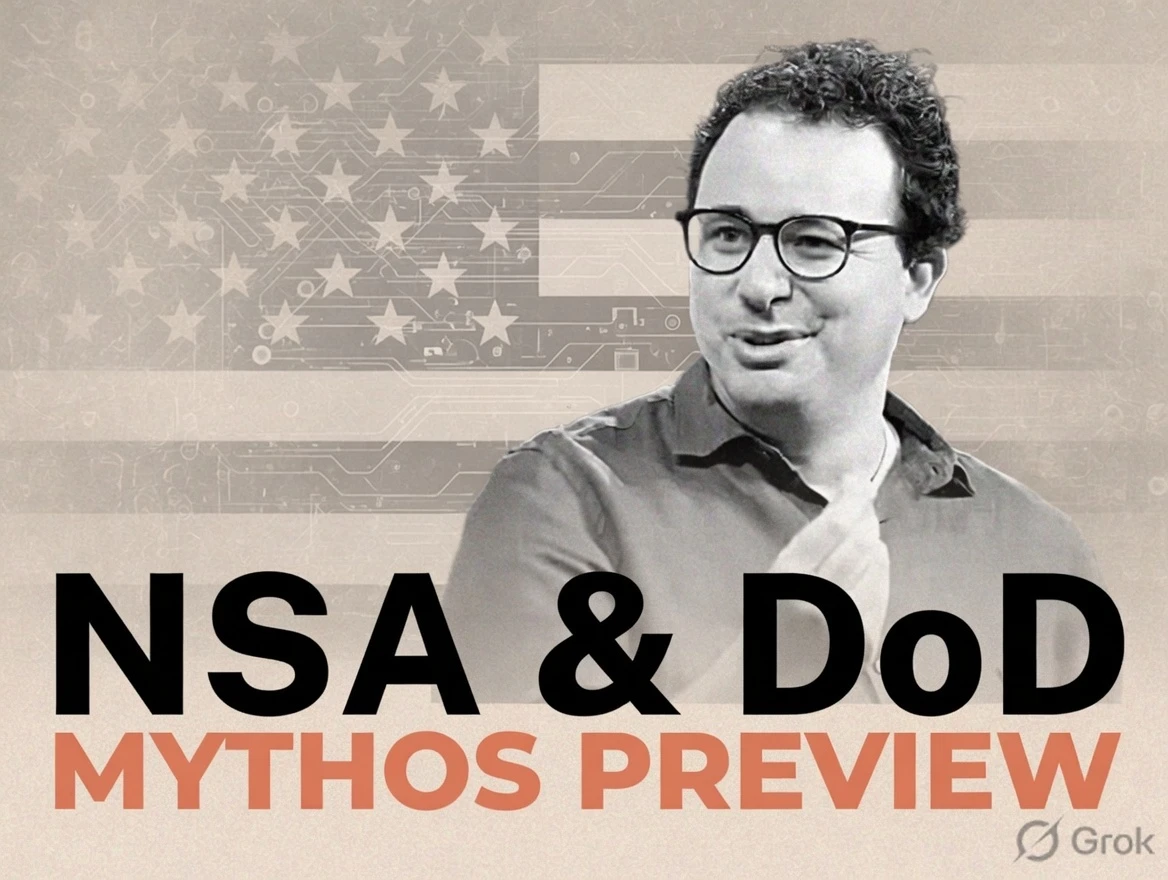
Word on the street is that the NSA has started using Mythos Preview – Anthropic’s latest large‑language model – and a source says the Department of Defense is doing the same. What’s weird? Anthropic itself listed its own model as a potential supply‑chain risk because of the heavy reliance on third‑party data pipelines.
Why the US is pulling a fast one
First off, Mythos Preview is a “foundational model” that can be fine‑tuned for everything from threat intel summarisation to code‑generation. The NSA’s cyber‑ops teams love anything that can churn out actionable intel in seconds, and Mythos apparently does that better than the in‑house models they’ve been using.
DoD’s research labs have a similar pain point – they need a model that can understand classified jargon, parse satellite imagery captions, and even draft briefing notes. Mythos, with its multimodal extensions, fits the bill.
Supply‑chain risk – why does Anthropic care?
Anthropic flagged its model because the training data includes a mix of open‑source code, public web scrapes, and some licensed datasets. In a high‑security environment, any hidden backdoor or data‑leak could be a nightmare. Yet the US agencies are apparently willing to gamble, probably because they’ve set up air‑gapped environments and added extra verification layers.
India’s angle – why should we care?
1. Strategic parity. If the US is already leveraging third‑party AI for classified work, India’s own agencies (DRDO, ISRO, NIC) will feel the pressure to catch up.
2. Supply‑chain vigilance. The Indian government has been issuing guidelines to vet AI tools used in critical infrastructure. Anthropic’s self‑declared risk flag is a perfect case study for policy makers.
3. Local startups. Indian AI firms could market “government‑grade” models that are fully audited, positioning themselves as safer alternatives to foreign services.
What does this mean for the average TamilTech reader?
Most of us won’t see Mythos on our phones, but the ripple effect is real. More AI‑powered surveillance tools could end up in public services – think smarter traffic cameras, AI‑driven tax fraud detection, or even AI‑assisted court drafting. Knowing the trade‑offs helps us ask the right questions about privacy.
TamilTech’s take
We think the US move is a double‑edged sword. On one hand, it shows that cutting‑edge AI can boost national security. On the other, it normalises the use of models that haven’t been fully vetted for supply‑chain integrity. For India, the lesson is clear: we need home‑grown, transparent AI pipelines before we start borrowing foreign tech for defence.
What’s next?
Expect a wave of policy drafts from the Ministry of Electronics and Information Technology (MeitY) that will tighten AI procurement rules. Keep an eye on announcements from DRDO about “indigenous LLMs” – they’ll likely roll out pilot projects by late 2026.
Until then, stay skeptical of any AI service that claims “military‑grade security” without a public audit report.





Comments (0)
Be the first to comment!