



Key Takeaways
- OnePlus has officially announced its complete withdrawal from the US, UK, and European markets by December 2024, citing high operational costs and patent disputes.
- The company will focus 100% of its global resources on India, China, and Southeast Asian markets starting in 2026.
- Existing users in the US and Europe will continue to receive software security patches until 2028, but no new hardware will be launched after the OnePlus 14 series.
- For India, this move is expected to bring more competitive pricing and India-exclusive 'R' series and Nord models as the country becomes their primary global hub.
The Shocking Exit: What Just Happened?
It feels like just yesterday when we were all waiting for an 'Invite' to buy the original OnePlus One. But today, in July 2026, the landscape has completely shifted. OnePlus, the brand that once defined the 'Flagship Killer' segment and successfully challenged Apple and Samsung in the West, is officially calling it quits in the US and Europe. This isn't just a rumor anymore; the company has laid out a clear roadmap to wind down its operations in these regions by the end of this year. For many tech enthusiasts who grew up with the brand, this feels like the end of an era. But if you look closely at the numbers and the legal battles they've been fighting, the writing has been on the wall for a while.
So, why is this happening now? The primary reason cited is the unsustainable cost of doing business in Western markets, compounded by never-ending patent litigations. Companies like InterDigital and Nokia have been breathing down their necks regarding 5G patent royalties, making it nearly impossible for OnePlus to maintain its slim profit margins. In the US, the smartphone market is heavily controlled by carriers like T-Mobile and Verizon. Without their blessing and a massive marketing budget, even a great phone like the OnePlus 14 Pro struggles to get into the hands of average consumers. OnePlus has decided that instead of bleeding money to stay relevant in the West, they would rather double down on where they are actually loved: India.
How Did We Get Here? A Brief History of the Decline
To understand the exit, we have to look back at the 2021-2022 period. That was the 'Oppo-fication' era. When OnePlus officially merged its R&D and software teams with Oppo, the brand lost its soul. OxygenOS, which was once the gold standard for clean Android experiences, started looking and feeling exactly like ColorOS. This didn't sit well with the hardcore tech community in the US and Europe, who were the original vocal supporters of the brand. When the fans stopped being the brand's biggest cheerleaders, the sales started to dip. The 'Never Settle' mantra started feeling like a marketing gimmick rather than a product philosophy.
Furthermore, the competition in the West became brutal. Google finally got its act together with the Pixel 9 and Pixel 10 series, offering a clean Android experience and superior cameras at prices that OnePlus used to occupy. In the premium segment, Samsung's aggressive trade-in deals and Apple's ecosystem lock-in made it impossible for OnePlus to grow beyond its niche. By 2025, OnePlus was caught in a 'no man's land'—too expensive to be a budget killer and not prestigious enough to be a true ultra-premium flagship. The decision to leave is a strategic retreat to protect their most profitable strongholds.
What This Means for the Indian Market
Now, let's talk about the part we care about the most: India. If you are a OnePlus fan in India, don't panic—in fact, you might want to celebrate. With the US and Europe out of the picture, India is now the undisputed 'crown jewel' for OnePlus. We've already seen signs of this with the India-exclusive launches of the 'R' series, which provides flagship-grade performance at a much lower price point. In 2026, we expect OnePlus to move its global headquarters' focus even closer to the Indian consumer's needs. This means we might see faster software rollouts specifically tuned for Indian apps, better integration with local services like UPI and Jio, and more robust offline service centers across Tier 2 and Tier 3 cities.
TamilTech's analysis suggests that OnePlus might even start manufacturing 100% of its components within India to take advantage of the PLI schemes. This could lead to a significant price drop for the upcoming OnePlus 15 series. While the rest of the world loses a great brand, India gains a company that is finally forced to listen to its most loyal customer base. We expect the Nord series to expand even further, perhaps entering the sub-₹15,000 category to take on Xiaomi and Realme more aggressively. The 'Red Cable Club' in India is stronger than ever, and OnePlus knows that they cannot afford to lose this market.
The Logistics: Warranty, Service, and Software Updates
A big question on everyone's mind is what happens to the people who already bought a OnePlus phone in the US or Europe. OnePlus has confirmed that their service centers in major Western cities will remain open for another two years to honor warranties. After that, they will shift to a third-party mail-in repair system. Software-wise, the promise of 4 years of OS updates and 5 years of security patches for their flagships still stands. However, don't expect any new features or 'OxygenOS 17' to be tailored for Western users anymore. The software will become increasingly 'global-Asian,' focusing on features that work best in markets like India and China.
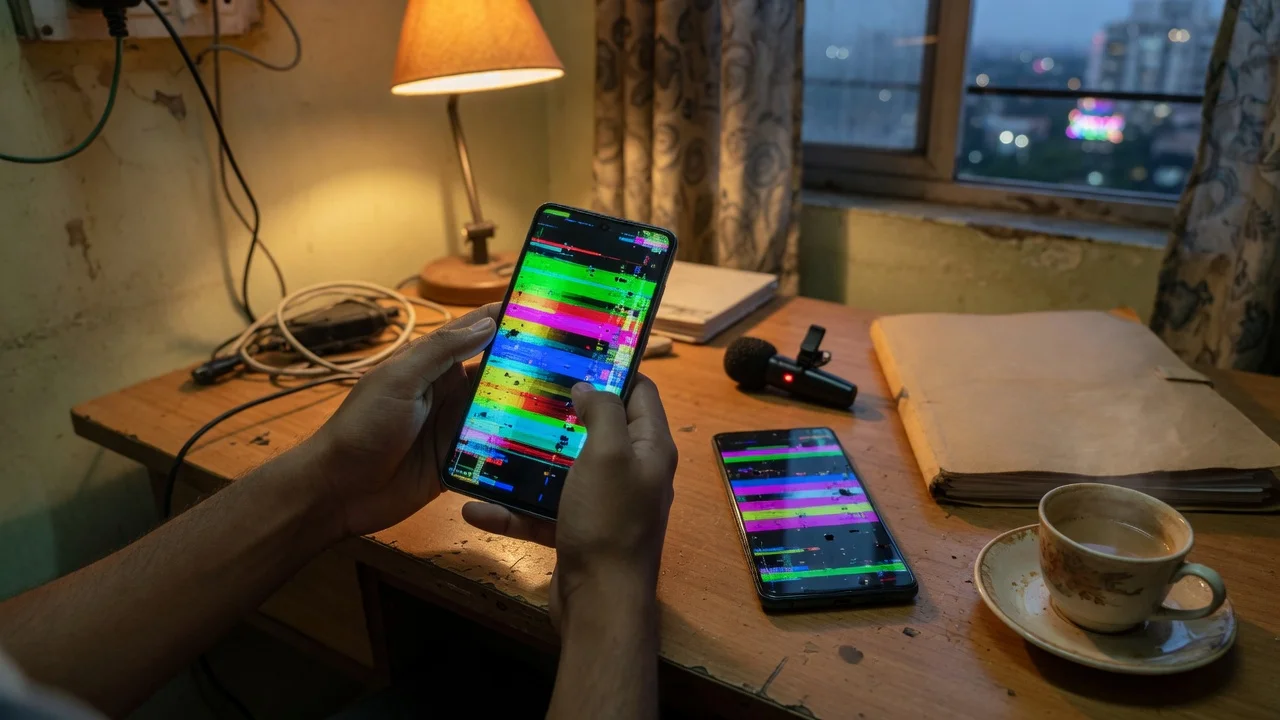
In India, the service quality is expected to improve. Since the engineering teams won't have to worry about carrier certifications for US networks like AT&T, they can focus all their energy on fixing bugs that affect Indian users, like the infamous 'Green Line' issue that plagued many older models. We've seen OnePlus being very proactive lately with their free screen replacement programs in India, and this focus will only sharpen now that their survival depends on us.
TamilTech's Honest Take: Is This a Smart Move?
Look, let's be real—this is a massive blow to the brand's ego. Going from a global challenger to a regional player is never easy to spin as a 'win.' But from a business perspective, it's the smartest thing they've done in years. Why spend billions of dollars on Super Bowl ads and legal fees in the US when you can spend that same money improving your service network in Chennai, Coimbatore, or Madurai? Indian users have always appreciated OnePlus for its speed and value, and if the company goes back to those roots, they can dominate the ₹30,000 to ₹60,000 segment once again.
However, there is a risk. By exiting the West, OnePlus loses its 'cool' factor. A lot of people in India bought OnePlus because it was a brand that people in New York and London also used. If it becomes just another 'Oppo-sub brand' for the Asian market, will it still have that premium charm? That's the challenge for OnePlus in 2026. They need to prove that they are still innovators, not just a company that took the easy way out. We'll be watching the OnePlus 15 launch very closely to see if they've still got that 'Never Settle' spark.



Comments (0)
Be the first to comment!