


Why this partnership matters
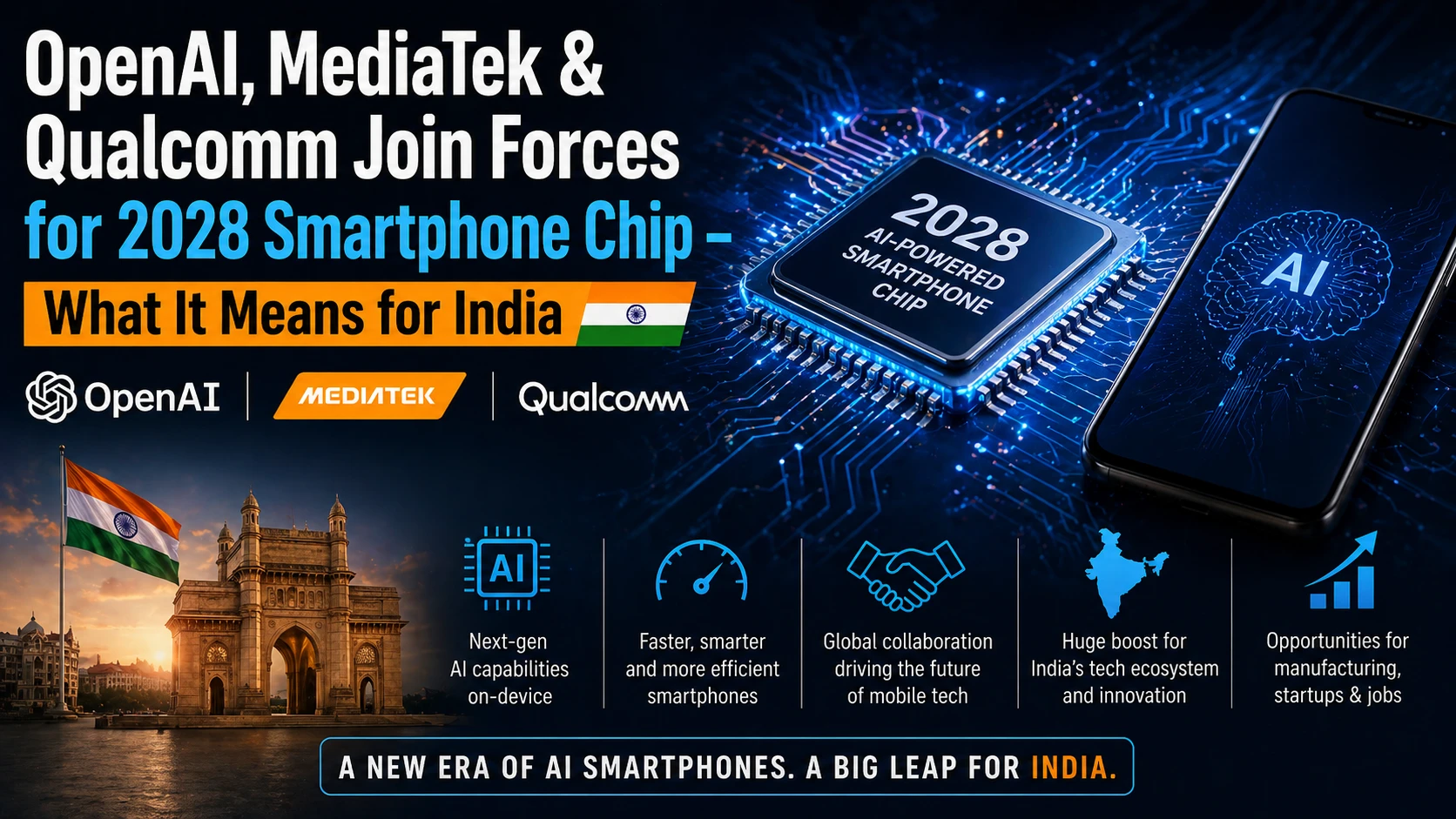
Okay, let’s break it down. OpenAI, the brain behind ChatGPT, is not just staying in the cloud anymore. The company has quietly started a hardware venture, and the first big move is a joint chip project with MediaTek and Qualcomm. Add Luxshare – the same firm that assembles iPhones – to the mix, and you have a full‑stack effort to bring large‑language‑model (LLM) power right onto a phone.
Who’s doing what?
MediaTek and Qualcomm are the two biggest SoC designers for Android phones. MediaTek already has a strong foothold in the Indian mid‑range market (think Redmi, Realme, Poco), while Qualcomm dominates the flagship segment with Snapdragon. OpenAI is providing the AI‑engine – a custom NPU (Neural Processing Unit) that can run ChatGPT‑style inference locally, cutting down latency and data‑usage.
Luxshare, famous for assembling iPhone‑series devices, is taking charge of the system‑level co‑design. That means they’ll help integrate the chip, memory, power‑management and even the camera ISP into a single package that phone makers can drop into their designs.
Timeline and production
The trio says the first silicon will be taped‑out in 2025, with a full‑blown production ramp‑up in 2028. That sounds far, but remember the smartphone cycle: design → qualification → mass production → market launch. If everything stays on schedule, we could see the first “AI‑first” phones hitting Indian shelves by late 2028 or early 2029.
Specs we can expect (based on leaks and past trends)
- Custom OpenAI NPU – 10x the efficiency of today’s on‑chip AI accelerators.
- Integrated 5G modem from Qualcomm – Sub‑6 GHz & mmWave support.
- MediaTek’s Dimensity‑style CPU cluster – 3 high‑perf Cortex‑X cores, 4 efficiency cores.
- Luxshare‑designed power‑delivery – aimed at keeping thermal throttling low during long AI sessions.
In plain English: you’ll be able to run ChatGPT‑style queries, translate on‑the‑fly, or use advanced AR filters without a data‑spike or a 2‑second lag.
What this means for Indian users
1. Data‑cost savings – With on‑device inference, you won’t need to stream every query to the cloud. For a typical Indian data plan (₹199 for 1 GB), that could shave off a few rupees a month for heavy AI users.
2. Local language support – OpenAI is already training models in Tamil, Hindi, Bengali, etc. A local chip means these models can be fine‑tuned for Indian dialects without sending data abroad.
3. Price pressure on existing SoCs – If the new chip lands at a mid‑range price point (MediaTek’s sweet spot is ₹12‑15 k for 6‑8 GB RAM devices), Qualcomm‑based flagships may need to drop prices to stay competitive.
4. App ecosystem shift – Developers will start building “offline‑AI” apps. Expect new versions of Swiggy, Zomato, and even IRCTC that can answer queries without hitting the server.
TamilTech’s take
We’re excited but cautious. The tech stack looks solid, but the real test is the cost of integration. Luxshare’s involvement suggests the chip will be built on a modern 3nm process, which usually carries a premium. If the final phone lands above ₹20 k, the mass‑market impact in India could be limited to premium users.
On the upside, the AI‑on‑chip story could push Indian manufacturers (like Micromax or Lava) to partner with local AI startups for niche use‑cases – think offline voice assistants for regional languages.
What to watch next
• Prototype demos – MediaTek usually showcases a demo at Mobile World Congress. Keep an eye on the 2025 show.
• Regulatory clearances – The Indian government is still shaping AI‑data policies; any new privacy rule could affect on‑device model storage.
• Competitor response – Apple’s next A‑series chip is rumored to have a bigger NPU, and Samsung is also investing heavily in on‑device AI. The race is on.
Bottom line
If OpenAI’s AI engine can be packed into a cost‑effective SoC, Indian users could finally have a phone that truly understands their language, without bleeding data. The 2028 timeline feels far, but the groundwork is being laid today. Stay tuned – TamilTech will keep you posted on every prototype, price‑leak and launch date.




Comments (0)
Be the first to comment!