


What’s the headline?
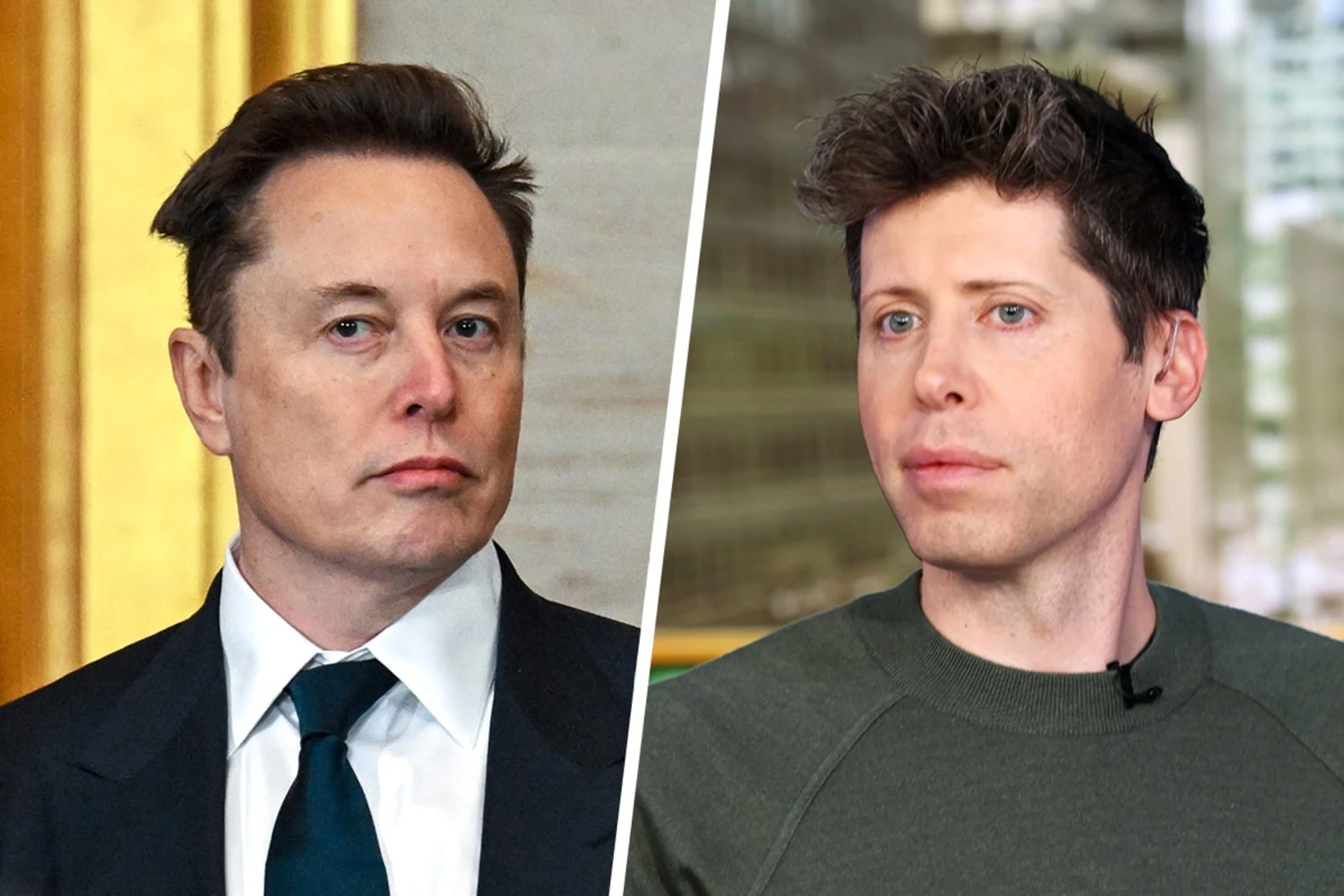
On April 27 a $134 billion civil suit will start in a New York court. Elon Musk, the Tesla‑SpaceX mogul, is accusing Sam Altman – the head of OpenAI – of reneging on a vow that the company would remain a nonprofit. Musk says the switch to a capped‑profit model was a betrayal that hurt investors, users and the broader AI ecosystem.
How did we get here?
Back in 2015 a group of Silicon Valley heavyweights, including Musk, founded OpenAI as a non‑profit research lab. The idea was simple: build artificial general intelligence (AGI) that’s safe and shared with everyone. In 2019 the board announced a structural change – OpenAI LP, a “capped‑profit” arm that could raise venture money while promising a 100‑times return cap for investors.
Musk claims he was never told about this pivot. He says the board’s decision was made behind closed doors, and that Altman kept the shift secret while still using Musk’s name to attract funding.
The numbers that matter
- Claimed damages: $134 billion – roughly the market cap of Tesla in 2022.
- Requested injunction: halt any further profit‑sharing and force OpenAI back into a pure non‑profit.
- Legal fees: both sides expect to spend hundreds of millions.
Why $134 billion?
Musk’s lawyers argue that the value of the AI models – especially ChatGPT‑4 and its successors – is now in the $100‑plus billion range. By allowing a profit‑capped entity to reap the upside, they say Altman stole potential returns that should have gone to the original non‑profit mission and to early backers like Musk.
What’s at stake for India?
OpenAI’s APIs power a lot of Indian startups – from edtech platforms that use ChatGPT for tutoring to fintech firms that automate customer support. If a US court forces OpenAI to divest its for‑profit arm, Indian developers could see:
- Higher pricing: the capped‑profit model lets OpenAI charge premium rates. A forced non‑profit status might push prices down, but could also limit future feature roll‑outs.
- Regulatory uncertainty: India’s data‑privacy rules (DPDP Act) already demand local data storage for critical AI services. A legal shake‑up could delay compliance updates.
- Opportunity for home‑grown rivals: Companies like Jio‑AI, Wipro‑AI and startups in Bengaluru may get a breathing room to launch alternatives.
TamilTech‑ஓட கருத்து
Honestly, this lawsuit feels like a high‑stakes drama more than a pure business dispute. Musk is a master at making headlines; Altman, on the other hand, has turned OpenAI into the most valuable AI lab on the planet. The $134 billion figure is symbolic – it forces the world to ask: should AI breakthroughs be treated as public goods or commercial assets?
For Indian developers, the immediate takeaway is to diversify. Relying 100 % on OpenAI’s API is risky when the legal landscape can shift overnight. Look at hybrid solutions – combine OpenAI with local LLM providers or open‑source models like LLaMA‑2, which you can host on Indian cloud providers to keep latency low and costs predictable.
What could happen after April 27?
The court could:
- Dismiss the case – leaving OpenAI’s structure untouched.
- Issue a temporary injunction – freezing profit‑sharing until a full trial.
- Force a restructuring – possibly spinning off the for‑profit arm into a separate entity.
Any of these outcomes will ripple through the AI market. Investors will watch closely; a win for Musk could set a precedent that forces other AI labs to keep their non‑profit promises, while a loss could embolden more “capped‑profit” hybrids.
Bottom line
Whether you’re a coder in Chennai building a ChatGPT‑powered chatbot or a CEO in Mumbai negotiating AI contracts, keep an eye on the courtroom drama. The verdict could change pricing, data‑privacy compliance, and even the strategic direction of AI research worldwide. Stay tuned, because the next few weeks will decide if AI stays a public utility or becomes another billion‑dollar profit machine.

Comments (0)
Be the first to comment!