


Key Takeaways
- SafePal disclosed a data breach affecting nearly 40,000 users' order information between March 2, 2025, and April 11, 2026
- The breach was caused by an authorization flaw in the order tracking system, allowing access to another customer's order information
- Users' order details were exposed without their consent, raising serious privacy and security concerns
- This incident highlights the ongoing security challenges in the cryptocurrency ecosystem
- SafePal has not yet provided specific details about remedial measures or compensation for affected users
What's the News
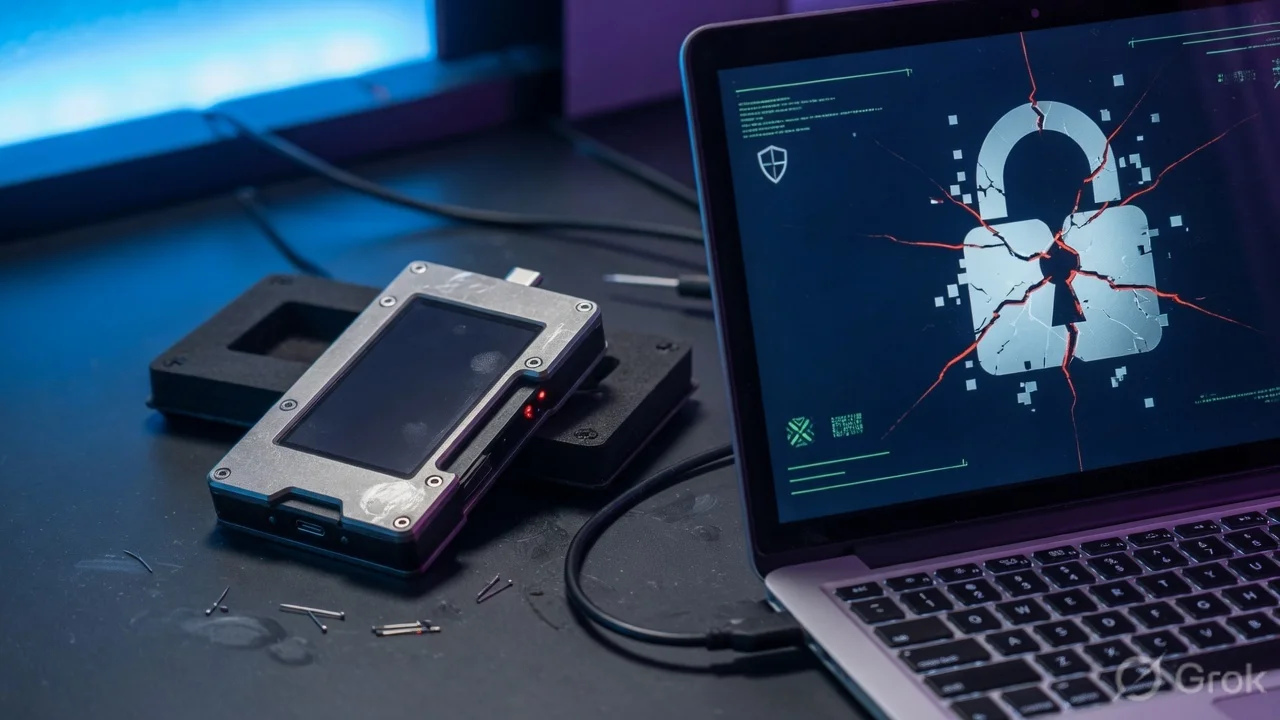
SafePal, one of the prominent crypto wallet providers in the market, has recently disclosed a significant data breach that has potentially compromised the order information of nearly 40,000 users. The company revealed that an authorization flaw in their order tracking system allowed unauthorized access to customer data between March 2, 2025, and April 11, 2026. This breach means that users' order information was accessible to another customer, creating serious privacy implications for those affected.
The disclosure comes as a significant blow to SafePal's reputation, especially in a market where security and trust are paramount. Cryptocurrency users have become increasingly security-conscious following numerous high-profile hacks and breaches in the industry. The timing of this revelation is particularly concerning, as it coincides with the growing adoption of digital assets in India, where many users are still navigating the complex security landscape of crypto platforms.
Details
According to the information provided, the vulnerability existed within SafePal's order tracking system, which is designed to help users monitor their cryptocurrency transactions and orders. The authorization flaw essentially allowed anyone with access to the system to potentially view another customer's order information, including transaction details, timestamps, and possibly associated wallet addresses.
What makes this breach particularly troubling is that it wasn't detected or addressed promptly. The vulnerability existed for over a year, from March 2025 to April 2026, giving malicious actors ample time to exploit the flaw. While SafePal has acknowledged the issue, they have not provided detailed information about how many users were actually affected or what specific data points were exposed.
The company's statement about the breach was relatively brief, mentioning only that the authorization flaw allowed access to another customer's order information. This lack of transparency has left many users concerned about the full extent of the breach and what measures SafePal is taking to prevent similar incidents in the future.
India Impact
For Indian crypto users, this breach carries additional significance given the country's evolving regulatory landscape. India has been working on establishing clearer guidelines for cryptocurrency operations, and security incidents like this could influence policy decisions. The Reserve Bank of India and other regulatory bodies have been closely monitoring the crypto ecosystem's security practices.
The incident also highlights the need for Indian users to be particularly vigilant about their digital security. With many Indians still relatively new to cryptocurrency, they may not be as aware of the security best practices that experienced users follow. This breach serves as a reminder that even seemingly reputable platforms can have vulnerabilities that put user data at risk.
Furthermore, this incident could impact SafePal's position in the Indian market. As competition in the crypto wallet space intensifies, with both international and domestic players vying for market share, security incidents could significantly influence user trust and platform choice.
Use Cases
SafePal's wallet is used by cryptocurrency enthusiasts across India and globally for various purposes. Users typically employ the platform for storing, sending, and receiving cryptocurrencies, as well as for participating in decentralized finance (DeFi) activities. The order tracking feature is particularly important for users who regularly trade on cryptocurrency exchanges or participate in token sales.
The breach specifically affects users who have placed orders through SafePal's integrated services or used their order tracking functionality. This includes individuals who have purchased cryptocurrencies during initial coin offerings (ICOs), participated in decentralized exchange (DEX) trades, or engaged in any form of crypto trading that generates order information.
For affected users, the immediate concern is the potential exposure of their trading activities, which could reveal their investment strategies, portfolio composition, and potentially their identity if linked to other personal information. This information could be exploited for various malicious purposes, including targeted phishing attacks or market manipulation.
Honest Take
This data breach is a significant red flag for SafePal and raises serious questions about their security infrastructure. In the cryptocurrency world, where users are often their own banks, security failures can have devastating consequences. The fact that this vulnerability went undetected for over a year is particularly concerning and suggests either inadequate security testing or insufficient monitoring systems.
For users, this incident is a wake-up call to reassess their security practices across all platforms they use. While SafePal may be taking steps to address this specific vulnerability, users should consider diversifying their holdings across multiple wallets and implementing additional security measures like two-factor authentication wherever possible.
The broader crypto community should also view this as an opportunity to push for greater transparency and accountability from service providers. Users deserve clear communication about security incidents, comprehensive details about what data was compromised, and concrete steps being taken to prevent future breaches.
FAQs
Q1: How can I check if my order information was affected by the SafePal breach?
A: SafePal has not provided a specific method for users to check if their data was compromised. Users should monitor their accounts for any suspicious activity and consider changing their passwords as a precautionary measure.
Q2: What should Indian users do if they were affected by this breach?
A: Indian users should immediately update their SafePal passwords, enable two-factor authentication if available, and monitor their cryptocurrency transactions for any unauthorized activity. They should also consider transferring significant holdings to more secure wallets.
Q3: How does this breach compare to other crypto security incidents?
A: While significant, this breach affects a smaller number of users compared to some major exchange hacks. However, the prolonged duration of the vulnerability makes it particularly concerning from a security standpoint.
Q4: Will SafePal provide compensation to affected users?
A: SafePal has not announced any compensation plans for affected users. Given the nature of the breach, compensation would be challenging to implement meaningfully.
Q5: How can users protect themselves from similar breaches in the future?
A: Users should use hardware wallets for significant holdings, enable all available security features, diversify across multiple platforms, and stay informed about security practices in the cryptocurrency ecosystem.




Comments (0)
Be the first to comment!