


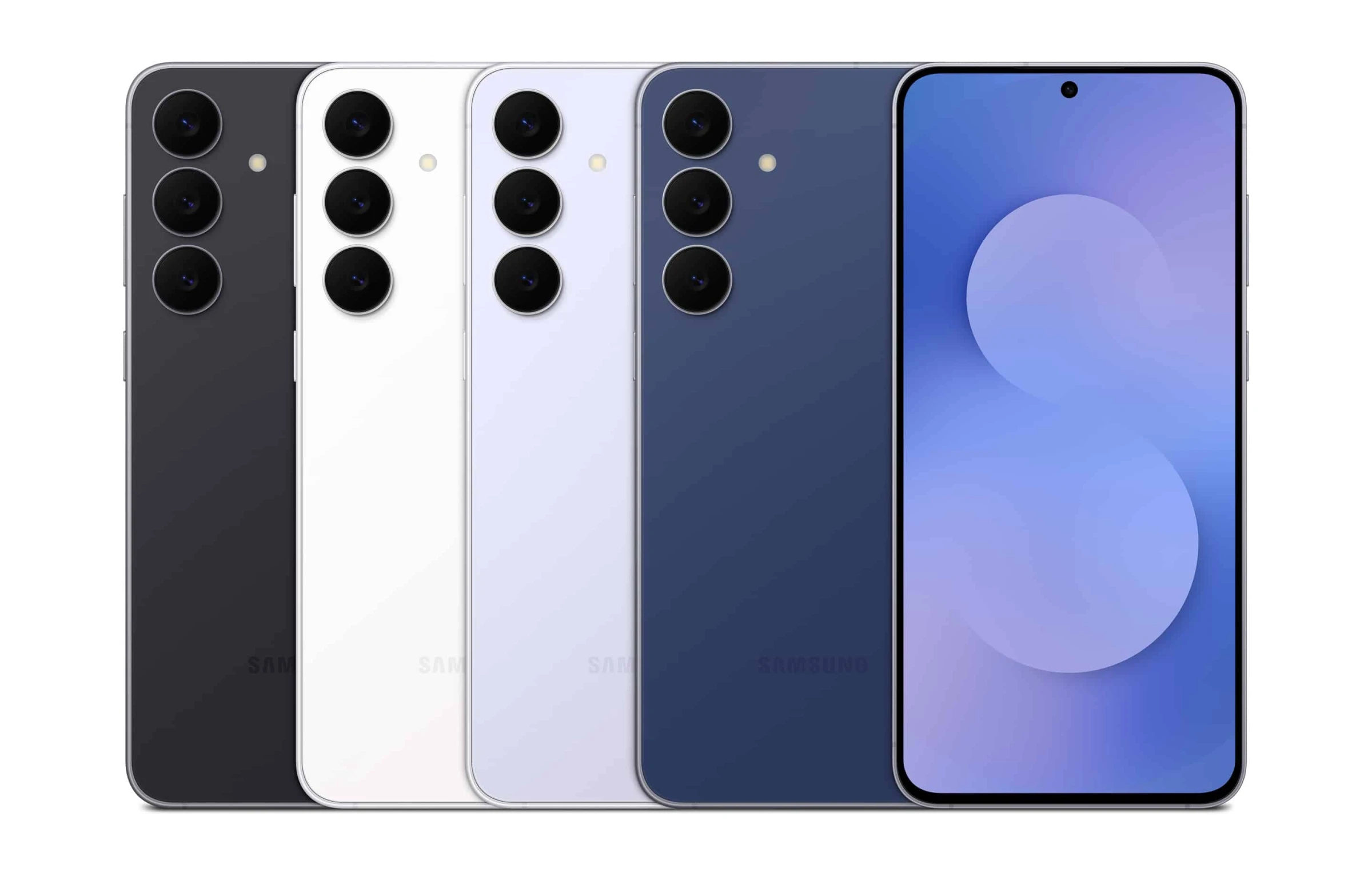
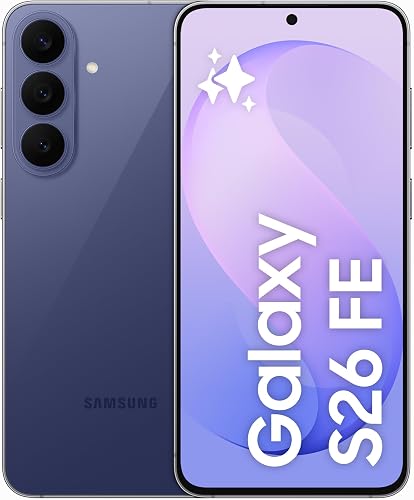
The Galaxy S26 FE just leaked itself onto Geekbench — and the chip choice is surprising
Every year, Samsung's Galaxy FE (Fan Edition) series does the same job: take the best parts of the current flagship, make some compromises, drop the price, and sell it to the people who want a premium Samsung experience without the full premium price. In India, the FE series has historically been one of the most popular Samsung options — landing around ₹50,000-₹65,000, it hits a sweet spot that the main S-series can't reach.
The Galaxy S26 FE just appeared in the Geekbench benchmark database — not an official announcement, but a prototype someone ran through the benchmark app. And the detail that everyone's talking about is the chipset: it's running the Exynos 2500.
That's not the chip most people expected Samsung to put in the FE.
What Geekbench tells us — and what it doesn't
Geekbench is a benchmarking app that measures CPU performance. When a phone prototype runs Geekbench, it gets listed in a public database with the device's chip, RAM, operating system, and scores. It's one of the most reliable sources of early hardware leaks because the results are automatically uploaded and hard to fake at scale.
The S26 FE prototype ran Geekbench version 6.2.2. The results: single-core score of 2,426 and multi-core score of 8,004. The device had 8GB of RAM and was running Android 17. The chip identified in the listing was the Exynos 2500 SoC.
What Geekbench doesn't tell us: final pricing, camera specs, display details, battery size, or when it will actually launch. It tells us the chip and RAM. That's the important part for now.
Why the Exynos 2500 is a bigger deal than it sounds
Let's talk about what the Exynos 2500 actually is. Samsung makes its own chips — called Exynos — as an alternative to Qualcomm's Snapdragon chips. For years, this was a source of frustration for Samsung buyers in India and Europe, because Samsung often put Exynos chips in international models while US models got Snapdragon. The Exynos chips historically ran hotter, had worse battery life, and underperformed compared to their Snapdragon counterparts.
The Exynos 2500 is different. Built on Samsung's own 3nm manufacturing process, it represents a genuine generational leap for Samsung's in-house chip division. The Galaxy S26 series that launched earlier in 2026 used the Exynos 2500 in certain market variants, and performance reviews were significantly more positive than previous Exynos generations. The gap between Exynos 2500 and Snapdragon 8 Elite performance is much smaller than the gaps seen in older generations.
For the S26 FE to get this chip — rather than the older Exynos 2400 or a downgraded Snapdragon variant — is genuinely good news. It means the S26 FE will have chipset performance that's meaningfully better than its predecessor, the S25 FE.
The Geekbench score context — is 2,426 / 8,004 good?
For single-core scores in the Geekbench 6 era: anything above 2,000 is solidly mid-to-high range. The Snapdragon 8s Gen 3 (which powers the OnePlus Nord 6) scores around 1,800-1,900 single-core. The Exynos 2500 at 2,426 is better. For comparison, the Snapdragon 8 Elite scores around 2,900-3,000 single-core.
The multi-core score of 8,004 also positions it well — the Snapdragon 8s Gen 3 typically scores around 4,500-5,500 multi-core, while the full Snapdragon 8 Elite scores around 9,000-10,000. The S26 FE sits meaningfully above mid-range but below top-tier, which is exactly where a ₹55,000-₹65,000 phone should sit.
Android 17 on the prototype — what that means for timing
The prototype running Android 17 is an interesting detail. Android 17 hasn't been released by Google yet as of April 2026 — it's currently in early development. The fact that Samsung has a prototype running Android 17 suggests they're building the S26 FE software on the next major Android version from the start, which is actually a good engineering practice.
But it also tells us the phone isn't launching soon. Google typically releases new major Android versions in the second half of the year — Android 17 will likely be official around August-September 2026. Samsung's Galaxy FE phones have historically launched in September. So the S26 FE launching around September-October 2026 on Android 17 is a reasonable expectation.
For Indian buyers planning a purchase: this is a phone to watch for the festive season. Diwali 2026 typically sees major Samsung launches and deals on Flipkart and Amazon India.
The FE series context for Indian buyers
In India, Samsung's FE series occupies a specific position: it's the answer to "I want a Samsung flagship experience but I can't spend ₹80,000." The Galaxy S25 FE launched at around ₹54,999 and was well received for its balance of performance, camera quality, and Samsung's software ecosystem. The S26 FE is expected to land in a similar price range — possibly slightly higher given RAM price pressures globally.
What makes the FE series compelling in India specifically is Samsung's after-sales network. Samsung has service centers in virtually every Indian city, including tier-2 and tier-3 towns. For a ₹55,000 phone, having accessible warranty and repair support matters more than it does for a ₹20,000 phone. Samsung's long software support commitment — typically four years of OS updates and five years of security patches — also extends to FE devices.
The Exynos 2500 chip in the S26 FE would make it competitive with the OnePlus 15 and the Pixel 9, both of which are in the same price bracket. The camera system on FE phones also typically gets Samsung's latest processing algorithms, even if the sensors themselves are a generation older than the main flagship.
One concern worth flagging
The 8GB RAM figure from the Geekbench listing is worth noting. In 2026, 8GB is the minimum acceptable for smooth Android performance, especially with AI features that run locally on-device. The S25 FE also launched with 8GB. Given that RAM prices are elevated due to RAMageddon (the global shortage we covered recently), it's possible Samsung will stick to 8GB to keep the FE price point manageable.
8GB will run Android fine. But if you're coming from a phone with 12GB or more, you might notice the difference in very heavy multitasking scenarios — keeping many apps open simultaneously, running AI features in background, gaming while streaming. For normal use including UPI transactions, social media, camera use, and streaming, 8GB is genuinely fine.
TamilTech's take
The Exynos 2500 choice for the S26 FE is the headline here, and it's a positive signal. Samsung could have used an older or weaker chip to cut costs — they've done it before with FE phones. Using the same chip generation as the main S26 series means the S26 FE punches harder than previous FE models. For Indian buyers planning a Diwali 2026 upgrade, keep the S26 FE on your shortlist. The timing, price bracket, and chipset all line up for it to be one of the better Samsung options of the year at a non-flagship price.






Comments (0)
Be the first to comment!