


What the numbers actually say
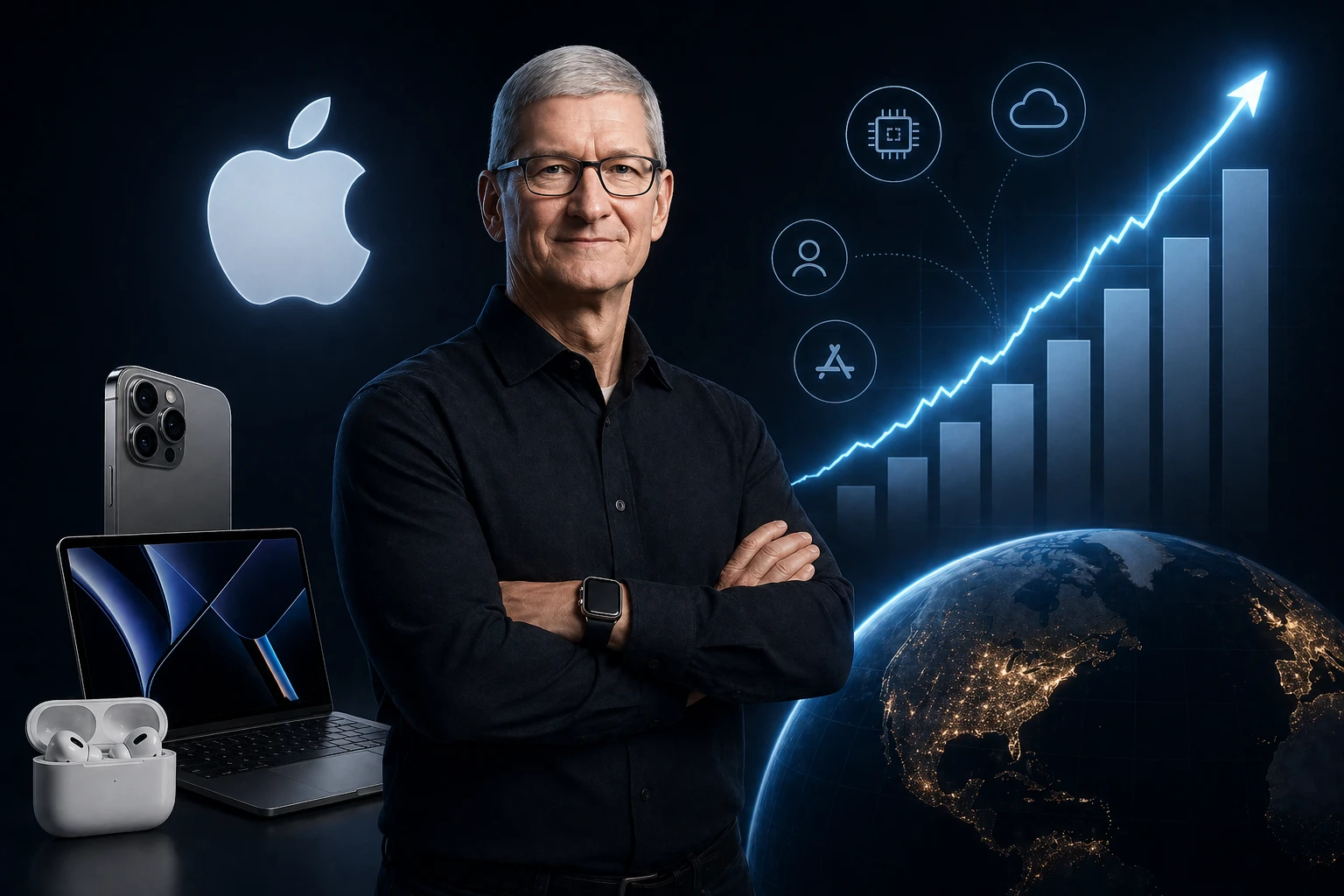
When Tim Cook took over as CEO in August 2011, Apple’s market cap was hovering around $350 billion. Fast‑forward to FY 2025 and the company is flirting with a $4 trillion valuation – a more than ten‑fold jump. Net income followed suit, soaring roughly 700 % to $112 billion for the fiscal year that just closed.
Revenue streams that grew the most
Services – Apple Music, iCloud, Apple TV+, the App Store and the newer Apple One bundles – now contribute over 25 % of total revenue, up from barely 10 % in 2011. The iPhone still dominates, but its share fell from 70 % to about 50 %, letting the company hedge against a single‑product risk.
How Cook turned Apple into a cash‑machine
Two strategic moves defined his era:
- Supply‑chain mastery. By locking in high‑volume contracts with Foxconn, TSMC and Samsung, Apple secured better pricing and ramped up production speed. The result? Higher margins even when component costs rose.
- Subscription economy. Instead of selling a device once, Apple now sells recurring services. A typical iPhone user in 2025 pays $15‑$20 a month for iCloud, Apple Music and Apple TV+ combined – that’s $180‑$240 of predictable cash per year.
Why Indian users should care
India is now Apple’s third‑largest market after the US and China. The company’s push for local manufacturing (the Tamil Nadu plant in Sriperumbudur) means:
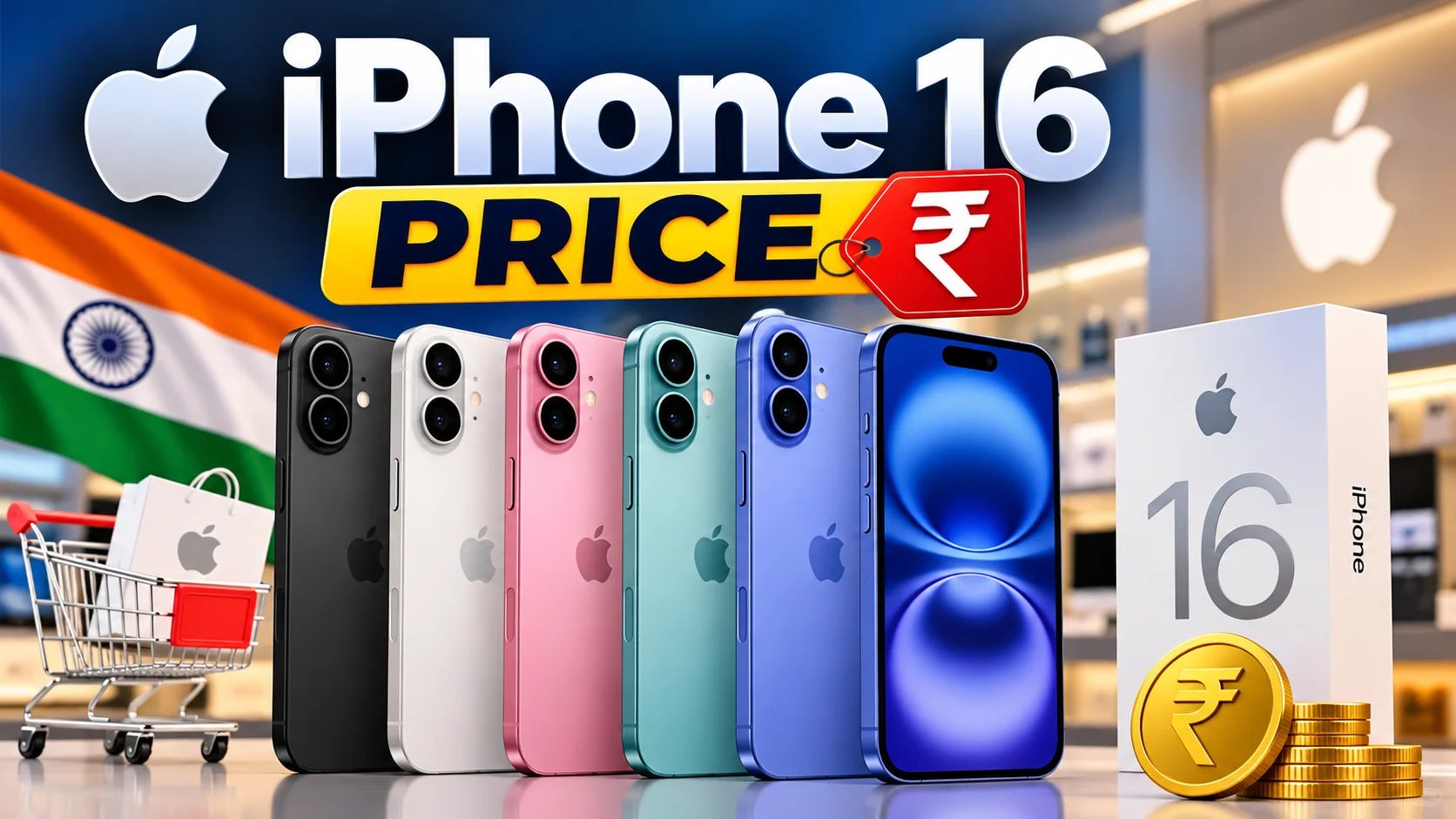
- Lower import duties – iPhone 15 series now starts at ₹79,900 instead of the earlier ₹84,900.
- More jobs – the plant employs ~2,000 locals, and Apple’s supplier ecosystem adds another 10‑15 k jobs.
- Better service network – Apple Store‑like ‘Apple Experience Zones’ are opening in Chennai, Bengaluru and Hyderabad.
Tim Cook’s leadership style – TamilTech’s take
Cook isn’t the flamboyant Steve Jobs. He’s a steady‑hand, data‑driven leader who focuses on operational excellence. He also puts a lot of weight on corporate responsibility – carbon‑neutral by 2030, privacy‑first messaging and a $450 billion investment in US manufacturing.
From a TamilTech perspective, that matters because:
- Privacy‑first means Indian users can trust their iPhone for UPI, Paytm and Google Pay transactions without fearing data leakage.
- Carbon‑neutral goals push Indian suppliers to adopt greener processes – a win for local environment.
What the next five years could look like
Apple is betting big on AR/VR with the upcoming Vision Pro‑type headset, and on health with new wearables that can monitor blood glucose. If those products take off, the Services share could breach 35 % of revenue, pushing net income even higher.
For Indian consumers, the key takeaways are:
- Price pressure will ease. More local assembly means cheaper iPhones and iPads.
- More ecosystem lock‑in. Apple’s health and AR services will likely integrate with local health‑tech platforms and Indian educational content.
- Investment opportunity. Apple’s stock is still trading below its 2022 peak – a potential long‑term play for Indian investors.
Our final verdict
Tim Cook turned Apple from a design‑centric cult into a diversified tech conglomerate that can weather economic cycles. The numbers prove it – $350 B to $4 T, 700 % profit growth, and a Services empire that’s only getting bigger.
For Tamil‑speaking tech lovers, the lesson is clear: operational discipline + recurring revenue = unstoppable growth. If Apple keeps this playbook, the next 15 years could see a $10 trillion valuation – and that’s a story worth watching from Chennai to Silicon Valley.


Comments (0)
Be the first to comment!